Two-Week Fall Turkey County Rules
Ah, the fall turkey season in West Virginia! It can feel like you need a special decoder ring just to figure out what's what, especially with all the different county designations. You've heard whispers of one-week seasons, four-week seasons, and then there's this elusive "two-week" category that seems to trip up even the most seasoned hunters. It's frustrating when you're trying to plan your precious hunting days and the rules aren't immediately clear. This guide is here to untangle the specifics of West Virginia's two-week fall turkey county rules, helping you understand where and when you can chase gobblers in these particular areas, and how to make the most of your limited time.
Understanding West Virginia's Fall Turkey Season Tiers
West Virginia's approach to fall turkey hunting is a bit unique, breaking the state down into different tiers based on turkey populations, habitat, and harvest goals. This tiered system can be a real head-scratcher if you're not familiar with it, leading to a lot of confusion, especially for hunters who might roam between counties or those just starting out. The goal is to provide ample opportunity while maintaining healthy turkey populations across various regions.
The Rationale Behind Tiered Seasons
The West Virginia Division of Natural Resources (WVDNR) doesn't just pull these season lengths out of a hat. There's a lot of science, data analysis, and population modeling that goes into it. Factors like spring gobbler harvest numbers, poult-to-hen ratios (which tell us about nesting success and brood survival), and habitat quality all play a crucial role. In areas with robust, thriving turkey populations, the WVDNR might offer a more generous four-week season, providing a longer window for hunters. Conversely, in counties where turkey numbers are a bit more sensitive or recovering, a shorter season—like the two-week or even one-week categories—helps ensure the population remains stable and healthy for future generations. It’s all about balancing hunting opportunity with conservation efforts. It can be a challenge for hunters, but it's vital for the long-term health of our wild turkeys.
Comparing Season Lengths Across the State
When you look at the entire state, you'll find a patchwork of different season lengths. We have those counties with a relatively short window, often just a single week in late October or early November. Then there are the "two-week" counties, which are the focus of our discussion today, offering a slightly extended, but still concentrated, period for fall turkey hunting. And finally, some regions boast a more expansive four-week season, giving hunters a much longer stretch to pursue birds. This variety means that a hunter in Jefferson County might have a completely different fall turkey experience and regulatory framework than someone hunting in Pocahontas County. It's why checking the current regulations for your specific county is absolutely non-negotiable every single year. You can dive deeper into the general structure with our guide on West Virginia Fall Turkey County Tiers.
Which Counties Fall into the Two-Week Category
Identifying the specific counties designated for a two-week fall turkey season is paramount for planning your hunt. If you get this wrong, you could be hunting illegally or missing out on prime opportunities. The good news is the WVDNR makes this information readily available, though you still need to know where to look.
Identifying the Two-Week Counties
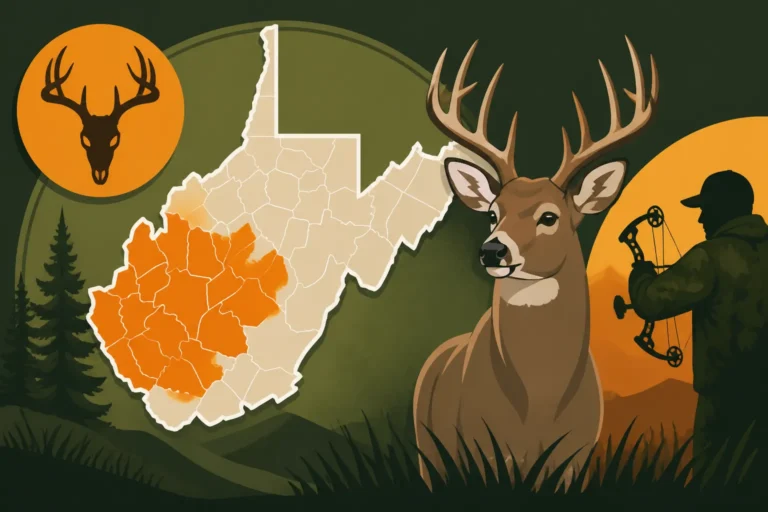
For the 2023-2024 season, a significant number of West Virginia counties were designated for a two-week fall turkey season. These aren't just isolated pockets; they stretch across various regions of the state. For instance, counties like Barbour, Berkeley, Boone, Braxton, Brooke, Cabell, Calhoun, Clay, Doddridge, Fayette, Gilmer, Jackson, Jefferson, Kanawha, Lewis, Lincoln, Logan, Mason, McDowell, Mercer, Mingo, Monongalia, Monroe, Morgan, Nicholas, Ohio, Pleasants, Putnam, Raleigh, Ritchie, Roane, Summers, Tyler, Wayne, Webster, Wood, and Wyoming typically fall into this two-week category.
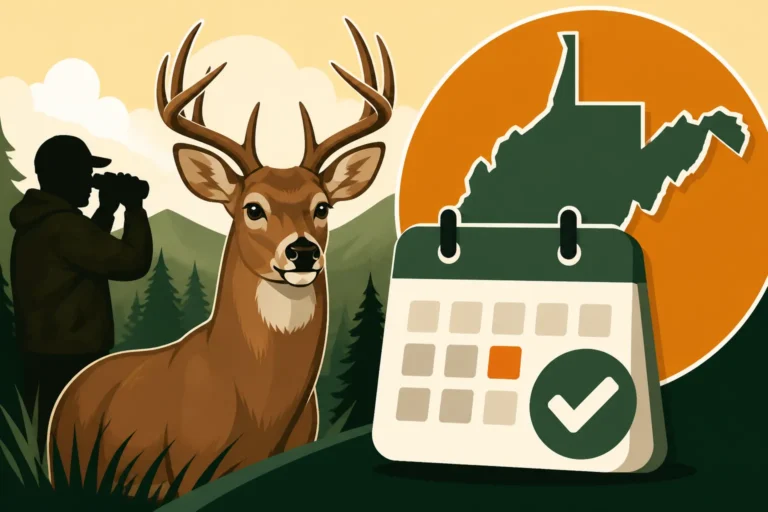
The season for these counties usually kicks off in late October and runs through the first week or so of November. For example, in the 2023 season, this window was October 23rd to November 5th. It's a short, intense period, and it demands focused scouting and execution. Don't confuse these with the counties that have just a One-Week Fall Turkey County Rules or the longer, more relaxed Four-Week Fall Turkey County Rules. The precise dates can shift slightly year to year, so always confirm.
How to Confirm Your County's Status
The absolute best way to confirm your county's fall turkey season status and exact dates is to consult the official West Virginia Hunting and Trapping Regulations booklet or the WVDNR's website. They publish these regulations well in advance of the season, typically by late summer. A great online resource is the GoHunt website or app, which often integrates official state regulations and maps, making it super easy to check specific counties on the fly, even when you're out in the field.
You'll usually find a detailed table listing all 55 counties and their corresponding season lengths and dates for both deer and turkey. Don't rely on hearsay or what someone told you last year, as regulations can and do change. Take the extra five minutes to verify your information. It’s a simple step that prevents a lot of headaches, or worse, a citation.
Key Regulations for Two-Week Fall Turkey Seasons
Beyond knowing when you can hunt, understanding the specific rules and restrictions for these two-week counties is crucial. It’s not just about getting out there; it’s about doing it legally and ethically.
Bag Limits and Daily Restrictions
For fall turkey hunting in West Virginia's two-week counties, the statewide bag limit generally applies: one turkey per day, with a season limit of two turkeys. This means if you're lucky enough to tag a bird on opening day, you can still go out and try for another within the two-week window. However, that second bird completes your season limit. It's a fairly generous limit for fall hunting, giving you a real chance to fill your freezer, especially when you're targeting flocks. Remember, these limits apply across all fall turkey counties, regardless of whether it's a one, two, or four-week season.
Legal Hunting Hours and Methods
Legal hunting hours for fall turkeys typically run from one-half hour before sunrise until one-half hour after sunset. This gives you a good long day in the woods, from those crisp early morning calls to the late afternoon flock recon.
As for methods, you can use shotguns, archery equipment (including crossbows), and muzzleloading shotguns. The use of rifles for turkey hunting is generally prohibited in West Virginia, though always double-check the current regulations for any specific county exceptions or changes. One important rule to remember: baiting for turkeys is illegal. You must hunt free-ranging birds that are feeding naturally. Electronic calls are also prohibited for turkey hunting. So, get ready to dust off those slate calls, box calls, and diaphragms! Additionally, always be aware that Fall Turkey Tactics Where Sundays Are Closed applies in many areas, meaning Sunday hunting is often restricted or prohibited for turkeys.
Checking Requirements and Deadlines
Once you've successfully harvested a turkey in a two-week county, the job isn't quite done. West Virginia requires all harvested turkeys to be checked in with the WVDNR. This data is critical for monitoring populations and setting future seasons. You have to check your bird within 24 hours of recovery.
The easiest way to do this nowadays is through the Go Wild West Virginia online system or their mobile app. You'll need your hunting license number and details about your harvest, such as the county, date, time, and sex of the bird. If you're in a remote area without cell service, you might need to use a physical checking station, though these are becoming less common. Always plan ahead for how you'll check your bird, especially if you're deep in the Monongahela National Forest or other remote public lands. This process also applies to West Virginia Turkey Checking Requirements.
Tactics for Shorter Fall Turkey Seasons
Hunting in a two-week window means you need to be efficient and strategic. There's less room for error or casual hunting compared to a longer season. Every day counts, and your tactics need to reflect that urgency.
Breaking Up a Fall Flock
One of the most classic and effective fall turkey tactics, especially in a shorter season, is to locate a flock, intentionally scatter them, and then call them back in. This works brilliantly because fall turkeys, particularly young birds, have a strong instinct to regroup once separated.
To execute this, you first need to find a flock. This often means driving slowly on back roads, listening for yelps and clucks, or spotting birds in fields. Once you've located them, the goal is to rush in and break them up as thoroughly as possible. The more scattered they are, the more eager they'll be to regroup. After the initial chaos, find a good setup location with decent cover and a clear shooting lane, then wait about 20-30 minutes. Then, start with some soft lost calls—yelps and clucks—imitating a lonesome hen or poult trying to find its family. Be patient; it can take time, but when they start filtering back in, it can be fast and furious. This tactic is so effective it has its own detailed guide: Breaking Up a Fall Turkey Flock.
Spotting and Stalking Opportunities
While breaking up a flock is a go-to, don't overlook spot-and-stalk opportunities, especially in open country or agricultural areas. Fall turkeys spend a lot of time feeding, and they can be quite visible in fields, open timber, or along logging roads.
The key to a successful spot and stalk is patience and using the terrain to your advantage. Use binoculars or a spotting scope to locate birds from a distance. Once you have them spotted, plan your approach, identifying cover that will shield your movement. Wind direction is less critical than with deer, but quiet movement is paramount. Turkeys have incredible eyesight, so any unnatural movement will send them scattering. You might crawl on your hands and knees, use subtle terrain features like creek beds or fencerows, or move only when their heads are down feeding. This method requires a lot of glassing and a good understanding of turkey behavior, but it can be incredibly rewarding.
Calling Strategies for Pressured Birds
In a two-week season, especially if it coincides with peak hunting pressure, birds can become wary quickly. They've likely heard a lot of calling. This means you need to adapt your calling strategy. Often, less is more. Instead of aggressive, loud calling, try softer, more subtle vocalizations. Clucks, purrs, and soft yelps can be more effective than loud cutts or excited yelps.
Consider using different types of calls as well. If everyone is using a box call, try a slate call or a mouth call. Sometimes, a completely different sound profile can pique their curiosity. Also, consider the timing. Birds are often more vocal early in the morning as they come off the roost, or late in the afternoon as they gather to roost. Midday can be tough, but if you scatter a flock, midday can be prime for calling them back. Don't be afraid to experiment, and pay close attention to how birds respond (or don't respond) to your calls. You can learn more about general calling tactics for Run-and-Gun Turkey Tactics on Public Land, which also applies to these shorter, more intense hunts.
Common Challenges and How to Overcome Them
Hunting fall turkeys in a two-week window, especially in the rugged terrain of West Virginia, comes with its own set of hurdles. Being prepared for these challenges can make the difference between a successful hunt and a frustrating one.
Time Constraints and Scouting
The most obvious challenge of a two-week season is the limited time. You don't have the luxury of weeks of casual scouting or waiting for perfect conditions. This means your pre-season scouting needs to be highly effective and focused. Use aerial maps and apps like GoHunt or onX to identify potential roosting areas, feeding locations (acorn flats, agricultural fields), and travel corridors. Look for fresh droppings, scratch marks, and feathers.
If you can't scout extensively in person, leverage trail cameras. Set them up on active logging roads, field edges, or creek bottoms where you expect turkeys to travel or feed. This can help you pinpoint active areas quickly once the season opens. Even a day or two of focused scouting before the season, or on non-hunting days within the two-week window, can dramatically increase your chances. For more on pre-season prep, check out Scouting West Virginia Public Land Before Season.
Weather Variability in Fall
West Virginia falls can be notoriously unpredictable. You might start the season in mild, sunny weather, only to have a cold front roll in mid-week, bringing rain, wind, or even early snow. This variability can significantly impact turkey behavior. Turkeys will often alter their feeding patterns, seeking shelter in dense cover during heavy rain or high winds.
Dress in layers, always bringing waterproof outer shells. Merino wool or synthetic base layers are crucial for staying warm and dry. If the weather turns foul, focus on sheltered areas like dense pine thickets or creek bottoms where birds might seek refuge. After a rain, look for birds dusting themselves or actively foraging as the sun comes out. A dramatic temperature drop can also make birds more vocal as they try to regroup after a cold, uncomfortable night.
Dealing with Hunting Pressure
With shorter seasons, especially on public land, hunting pressure can be concentrated. Everyone is trying to make the most of those precious two weeks. This means birds can become very skittish very quickly. Hunting Pressure on West Virginia Public Land is a real concern.
To mitigate this, consider hunting during the week rather than just on weekends if your schedule allows. Go deeper than most hunters are willing to walk. Many hunters stick close to roads and trails, so venturing a mile or two back into the timber can often lead you to less-pressured birds. Don't be afraid to hunt less obvious spots, like small isolated woodlots or steep, difficult-to-access hollows that others overlook. If you hear other hunters calling aggressively, try more subtle, infrequent calls or shift your location entirely. Sometimes, just setting up quietly and waiting for birds to come to you is the best strategy in pressured areas.
Planning Your Hunt in a Two-Week County
A successful hunt in a two-week fall turkey county doesn't happen by accident. It requires careful planning, from understanding the terrain to having the right gear. Every detail counts when your time in the woods is so limited.
Pre-Season Scouting in Limited Time
As mentioned, pre-season scouting is crucial. Since you only have two weeks, you can't waste time figuring things out on the fly. Start by using digital tools like the WVDNR's interactive map or services like GoHunt that integrate property boundaries and topographical features. Look for areas with a mix of mature timber for roosting, open hardwood ridges for feeding (especially if there's a good mast crop of acorns), and water sources.
During your physical scouting trips (even if just a day or two), focus on finding fresh sign. This includes turkey droppings (often tear-drop shaped for gobblers, more spherical for hens), scratchings in the leaf litter where they've been feeding, and dusting bowls. Listen for distant gobblers or yelping hens at dawn or dusk. Pay attention to specific trees with broken branches or piles of droppings underneath, indicating a potential roost. Understanding how West Virginia Turkey Roost Tree Preferences can help you narrow down scouting efforts.
Utilizing Public Versus Private Land
West Virginia boasts an impressive amount of public hunting land, from the vast expanses of the Monongahela National Forest to numerous Wildlife Management Areas (WMAs). Many of these public lands hold good turkey populations. However, they also often see more hunting pressure, especially in a short season. If you're targeting public land, be prepared to walk further and hunt smarter than the average hunter. Our guide on Public Hunting Land in West Virginia can give you a great head start.
Private land can offer incredible opportunities with less pressure, but it requires obtaining permission from landowners. This often means knocking on doors well in advance of the season, being respectful, and offering to help out around the property. Developing good relationships with landowners can unlock access to prime fall turkey habitat that sees minimal hunting disturbance. Always follow up with a thank-you, whether you harvest a bird or not.
Essential Gear for a Quick Hunt
For a short, intense fall turkey hunt, having the right gear can make a big difference. You'll want to be mobile but also prepared for anything.
- Shotgun/Bow: Your weapon of choice, patterned and sighted in. For shotguns, a tight choke and heavy turkey loads (like tungsten) are often preferred for longer shots at wary fall birds.
- Calls: A variety is best—slate, box, and diaphragm calls. Practice with them before the season to sound natural.
- Optics: Good binoculars (8x or 10x) are essential for spotting distant birds, especially in open fields or on expansive ridges.
- Clothing: Layered clothing suitable for variable fall weather, including waterproof outer shells. Don't forget your blaze orange or blaze pink if required (check regulations, as turkey hunting generally requires less orange than deer gun seasons, but it's often wise to wear it while moving).
- Pack: A comfortable daypack to carry your calls, water, snacks, knife, emergency kit, and any other essentials.
- Navigation: A reliable GPS unit or a hunting app like GoHunt on your phone (with downloaded maps for offline use) is critical for navigating public lands and getting back to your vehicle, especially when pushing deep into unknown territory.
- Game Processing: A sharp knife and game bags are crucial for field dressing and protecting your harvest, particularly if temperatures are mild. Remember to check out Meat Care Gear for West Virginia Hunters to ensure your harvest is properly handled.
By understanding the rules, planning your tactics, and preparing for the unique challenges of a short season, you can have a rewarding fall turkey hunt in West Virginia's two-week counties.
West Virginia Two-Week Fall Turkey Counties (Example 2023-2024 Season)
To help you visualize, here's a table with an example of counties typically designated as two-week fall turkey season areas, along with their general season dates from a recent WVDNR regulation set. Please remember to always check the most current WVDNR regulations for exact dates as they can change annually.
| County Group (Example) | Season Start Date (Example) | Season End Date (Example) | Notes |
|---|---|---|---|
| Barbour, Berkeley, Boone | October 23 | November 5 | Often a continuous two-week window. |
| Braxton, Brooke, Cabell | October 23 | November 5 | Check WVDNR regulations annually. |
| Calhoun, Clay, Doddridge | October 23 | November 5 | These dates are for the main two-week segment. |
| Fayette, Gilmer, Jackson | October 23 | November 5 | |
| Jefferson, Kanawha, Lewis | October 23 | November 5 | |
| Lincoln, Logan, Mason | October 23 | November 5 | |
| McDowell, Mercer, Mingo | October 23 | November 5 | |
| Monongalia, Monroe, Morgan | October 23 | November 5 | |
| Nicholas, Ohio, Pleasants | October 23 | November 5 | |
| Putnam, Raleigh, Ritchie | October 23 | November 5 | |
| Roane, Summers, Tyler | October 23 | November 5 | |
| Wayne, Webster, Wood, Wyoming | October 23 | November 5 |
Disclaimer
Hunting regulations, season dates, and specific county designations are subject to change by the West Virginia Division of Natural Resources (WVDNR). This guide is intended for informational purposes only and should not replace consulting the official, most current West Virginia Hunting and Trapping Regulations booklet or the WVDNR website before planning or engaging in any hunting activity. Always confirm all rules and dates for the current season to ensure compliance.