Dragging a Deer Off a Steep Ridge
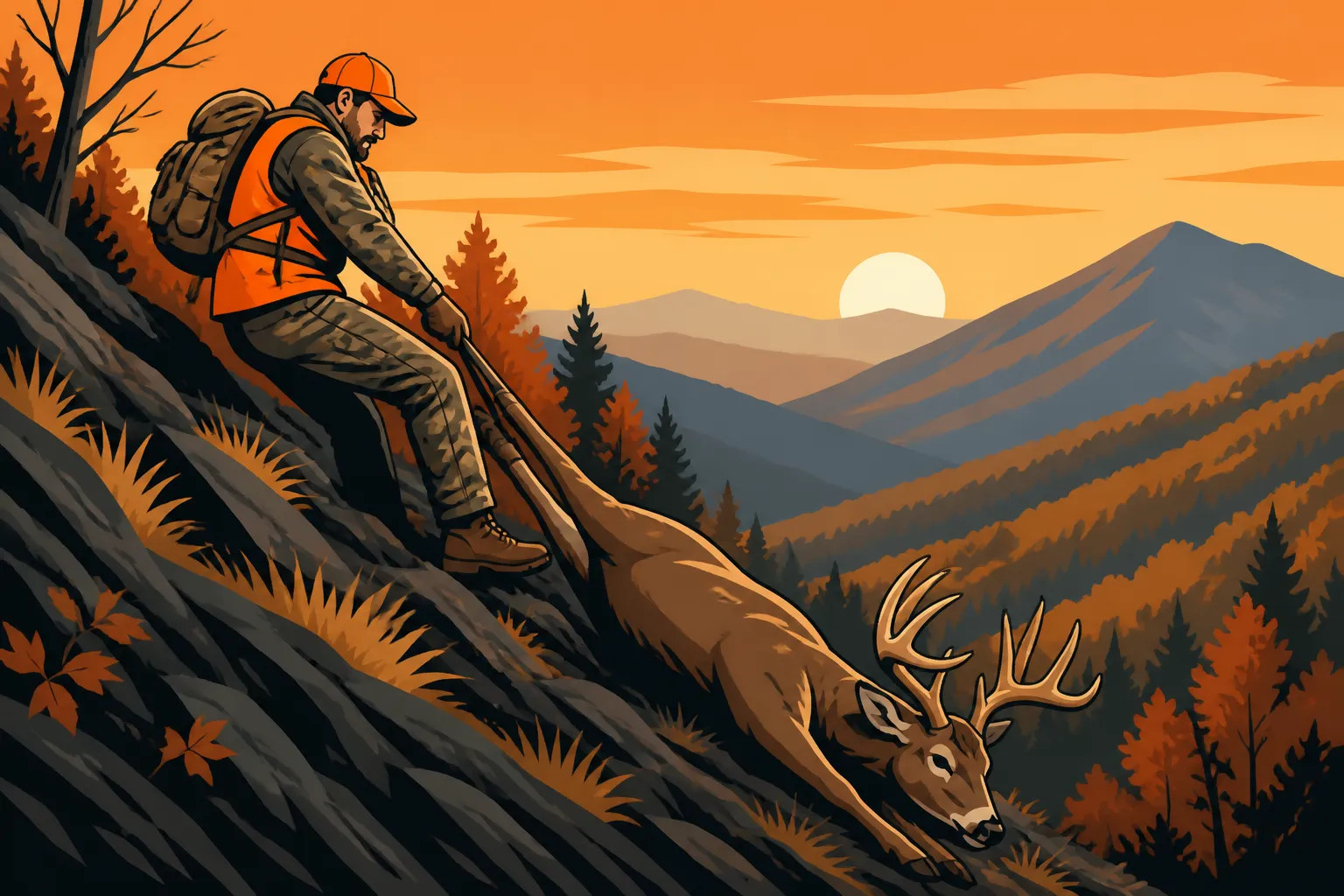
There are few things as exhilarating and simultaneously dreadful as dropping a big West Virginia buck on a steep, unforgiving ridge. That initial rush of success quickly morphs into a cold, hard dose of reality: how on earth are you going to get this animal out of here? It's a challenge every mountain hunter faces, and often, it's the most physically demanding part of the entire hunt. This guide is here to walk you through the practical steps, essential gear, and smart strategies to tackle the daunting task of dragging a deer off a steep West Virginia ridge, making sure your trophy doesn't become a nightmare.
The Harsh Reality of West Virginia Terrain
West Virginia is a state defined by its rugged beauty, and for hunters, that often means navigating some seriously challenging topography. The mountains are stunning, but they don't give up their secrets (or their deer) easily, especially when it comes to extraction.
Why Steep Ridges Are Deer Magnets and Hunter Traps
Deer, especially mature bucks, are masters of their environment. They thrive in the very places that make hunters curse under their breath: steep, broken terrain, thick laurel patches, and remote hollows. They use the elevation to their advantage, often bedding on benches just below a ridge crest, where they can watch their backtrail and use the prevailing winds and thermals to detect danger approaching from below. These steep slopes offer security, ample cover, and often provide critical escape routes into adjacent hollows or thickets. When you finally connect with a deer in these spots, it feels like a victory against nature itself.
However, that victory comes with a price. Those same steep hillsides that offered the deer security now become an uphill (or downhill) battle for you. A "short" 200-yard drag can feel like a mile when it's straight up or down a 45-degree slope, covered in slick leaves, loose rocks, and tangled grapevines. We've all been there, looking at a downed deer and thinking, "Well, this is going to be an adventure." Understanding how deer use these slopes can help you, but it won't make the drag any easier. The challenges are real: avoiding dangerous falls, managing your energy, and protecting the meat from damage on the rough ground.
Assessing the Recovery Challenge Before the Shot
While the excitement of the shot can be overwhelming, a truly seasoned West Virginia hunter starts thinking about the recovery long before they pull the trigger. When you're glassing a hillside or picking out a stand location, don't just look for deer sign; look for routes. Consider what you would do if a deer dropped right where you see it. Is there an old logging road a hundred yards down? A flatter bench you could drag to before taking on the steeper sections?
This pre-shot planning is crucial. Take note of potential paths of least resistance. Look at the contour lines on your map or GPS app, like GoHunt. Visualize how you might get the deer from point A to point B. If the terrain looks absolutely brutal, maybe reconsider that marginal shot opportunity, especially late in the day when darkness will compound the problem. It’s a tough pill to swallow, but sometimes, the smartest move is to let a deer walk rather than risk an impossible recovery, or worse, lose the animal because you couldn't get it out before spoilage. Knowing your physical limits and being realistic about the terrain can save you a lot of grief and ensure you respect the game you pursue.
Essential Gear for a Successful Drag
Attempting to drag a deer off a steep West Virginia ridge without the right gear is like trying to chop down a tree with a butter knife – frustrating, inefficient, and potentially dangerous. Investing in a few key items can significantly ease the burden and make the process safer and more effective.
Specialized Deer Drags and Hauling Aids
Forget grabbing the deer by the antlers and trying to muscle it out. That's a recipe for exhaustion, strained muscles, and potentially losing control on a steep decline. Dedicated deer drags and hauling aids are designed to help you leverage your strength and protect the animal.
- Deer Sleds or Plastic Sheets: These are perhaps the most popular choice for many mountain hunters. A durable, slick plastic sled or sheet allows the deer to slide more easily over rough terrain, protecting the hide and meat from abrasion. On moderately steep slopes with minimal snags, a good sled, perhaps something like the GoHunt game sled, can be a lifesaver. You simply load the deer onto it, secure it, and pull. The key here is the friction reduction. However, on extremely steep, rocky sections or through dense laurel thickets, a sled can still hang up, flip, or become unwieldy, turning into a runaway train if you lose control. For downhill sections, you might need to run a rope through the sled and around a tree or a strong partner to create a controlled descent.
- Deer Harnesses and Straps: These are designed to be attached to the deer's head or antlers, distributing the pulling force more effectively than simply grabbing by hand. Some harnesses are designed to be worn by the hunter, allowing you to use your body weight and legs for power. A simple, sturdy rope can also serve this purpose, creating a loop around the deer's head or neck. When dragging solo, a shoulder strap or a chest harness can be invaluable, allowing you to use your body's strongest muscles.
- Wheeled Game Carts: While fantastic for flat, relatively smooth terrain like old logging roads or clear-cut paths, wheeled carts are generally not suitable for genuinely steep, rocky, or heavily timbered West Virginia ridges. They tend to tip over, get stuck, and add more weight to carry in. Save the wheeled cart for when you hit easier ground, perhaps after you've managed to get the deer down to a relatively flat bench or an access trail.
When considering options, think about the specific challenges of Deer Sleds for Steep Country. A robust sled can make a world of difference, but even then, physics is your primary opponent. For team efforts, multiple ropes attached to different points on the deer can help distribute the load and allow multiple hunters to pull simultaneously, crucial when navigating tough sections.
Personal Gear for the Haul
Your own personal gear is just as important as what you're using to move the deer. Overlooking these items can lead to discomfort, injury, or even a failed recovery.
- Footwear: This cannot be stressed enough. Traction is paramount. Those slick, wet leaves and loose rocks on a steep hillside are treacherous. You need boots with aggressive, deep lugs that provide excellent grip. Consider options designed for hiking steep, rugged terrain, similar to what's recommended for Boots for Walking West Virginia Ridges. Good ankle support is also critical to prevent twists and sprains.
- Gloves: A good pair of durable gloves will protect your hands from rope burn, sharp rocks, thorns, and tree bark. They'll also give you a better grip, which is essential when you're pulling or bracing against a heavy load.
- Hydration and Snacks: Drags are exhausting. You'll sweat, burn calories, and get thirsty. Carry plenty of water, electrolytes, and high-energy snacks. Even if you don't think you'll need them, an unexpected long drag will quickly deplete your energy reserves. Staying hydrated and fueled is crucial for maintaining strength and clear thinking.
- Headlamp: No matter how early in the day you shoot your deer, a long, difficult drag can easily push you into the fading light or even darkness. A reliable headlamp with fresh batteries is a non-negotiable item. You need to see where you're going, identify obstacles, and continue the drag safely.
- First Aid Kit: Scrapes, cuts, and minor injuries are common during a strenuous recovery. A compact first aid kit with bandages, antiseptic wipes, pain relievers, and any personal medications is a smart addition to your hunting pack.
- GPS/Navigation: Even if you know the area well, getting turned around while focused on dragging a deer can happen. A GPS unit or a reliable hunting app on your phone (like GoHunt, which often has excellent topographical maps and offline capabilities) is vital. Make sure your phone is fully charged and consider carrying a portable power bank. This also helps with marking your vehicle's location and the deer's initial drop site, which is helpful for Using Go Wild West Virginia Without Cell Service in remote areas.
Consider your overall pack load. For a long day hunt in the Monongahela National Forest, you need a pack that can handle your hunting gear and potentially carry some extra layers or the gear needed for a drag. Refer to resources on Packs for a Day on Public Land to select a suitable option.
Strategies for Getting Your Deer Downhill Safely
Once you've field dressed your deer and gathered your wits, it's time to tackle the actual drag. This is where strategy, technique, and sometimes sheer willpower come into play.
The Art of the Controlled Descent
Dragging a heavy deer downhill on a steep slope might seem simple – just let gravity do the work, right? Not so fast. An uncontrolled descent is dangerous, can damage the meat, and can leave you with an even worse mess further down the hill. The key is controlled descent.
- Single-Person Drags: If you're alone, you need to use your body effectively. A shoulder harness or a rope looped over your shoulder and across your chest (with the rope attached to the deer's head/antlers) allows you to use your legs and core strength. Keep your feet planted, lean into the drag, and take small, deliberate steps. Avoid trying to drag straight down the fall line, which is the steepest path. Instead, zig-zag across the slope. This significantly reduces the grade you're pulling against, making it easier to control the deer and conserve your energy. Think of it like a ski slope – you traverse back and forth, slowly making your way down.
- Multiple Hunter Strategies: Having a partner (or two!) is a game-changer. Two hunters can attach ropes to the deer's head and hindquarters, or both pull from the front. This distributes the weight and allows for better control. Communication is vital. Call out obstacles, signal when to pause, and work together. For very steep sections, one person can act as a "brake" by wrapping a rope around a sturdy tree uphill from the deer, slowly letting out slack as the other hunter (or hunters) guide the deer down. This is essentially rappelling your deer.
- Navigating Obstacles: West Virginia mountains are full of downed timber, rock slides, and thick briar patches. Instead of trying to drag directly over these, look for ways around them, even if it adds a few extra yards. If you must go over, lift and slide, or have one person push while another pulls. For dense brush, a small folding saw or a machete carried in your pack can help clear a narrow path. Remember, every little bit of effort you save on one obstacle means more energy for the next.
Utilizing Natural Features and Trail Cutting
The mountains often provide subtle hints for the easiest path out, if you know where to look. Learning to read the terrain can save you immense effort.
- Old Logging Roads and Game Trails: Always keep an eye out for these. Old logging roads, even overgrown ones, represent a graded path of least resistance. Deer also create well-used trails along contours or down specific draws. While not always the most direct route to your vehicle, they are almost always the easiest route for a drag. Redirecting your drag to intersect with one of these, even if it means a slight detour, is often a smart move.
- Natural Benches and Draws: Look for natural benches or subtle draws that offer a less severe grade. Often, a steep ridge will have flatter sections or plateaus that run horizontally. Using these to traverse the hillside can allow you to move the deer more easily before tackling another steep section. Draws and hollows can sometimes offer a path, but be wary of them turning into deep, obstacle-filled ditches that are even harder to navigate. This is where your pre-season scouting, especially learning to read a ridge for Hunting a Ridge-Top Saddle for Rutting Bucks, really pays off.
- Clearing a Path: Sometimes, you simply have to make your own way. A small folding saw or a hatchet can be invaluable for quickly clearing small saplings, briars, and low-hanging branches that constantly snag your drag. Don't try to clear a super-wide path; just enough to get the deer through with minimal hang-ups.
When to Call for Backup (or the Pros)
There's no shame in admitting you need help. In fact, knowing your limits is a sign of a responsible and experienced hunter.
- Knowing When It's Too Much: A big-bodied deer on an extremely steep, technical piece of ground, especially if you're alone and far from your vehicle, can simply be too much for one person. Factors like heavy rainfall making the ground slick, unexpected injuries, or simply a deer that's heavier than anticipated can push a solo hunter past their breaking point.
- The Value of a Hunting Partner: This is perhaps the greatest argument for hunting with a buddy. A good hunting partner isn't just someone to share camp with; they're your emergency contact, your extra set of hands, and your moral support when faced with a brutal drag. Discussing recovery plans beforehand is a common West Virginia Deer Camp Traditions.
- Professional Game Recovery Services: While less common for typical deer recovery in West Virginia, if you've harvested a particularly large animal in an exceptionally remote or dangerous location, there are sometimes specialized services or individuals with ATVs, horses, or even pack goats who can assist. These are often costly, but they might be an option if all else fails and you want to ensure the meat doesn't go to waste. Always consider the potential need for assistance and factor that into your planning, especially when pursuing larger game during Hunting West Virginia's Liberal Bear Season.
Post-Drag Care and Considerations
You've done it! The deer is off the ridge, and the immediate physical challenge is over. But your work isn't quite done. Proper care after the drag is essential for respecting the animal and ensuring you have quality meat.
Field Dressing and Meat Preservation After the Haul
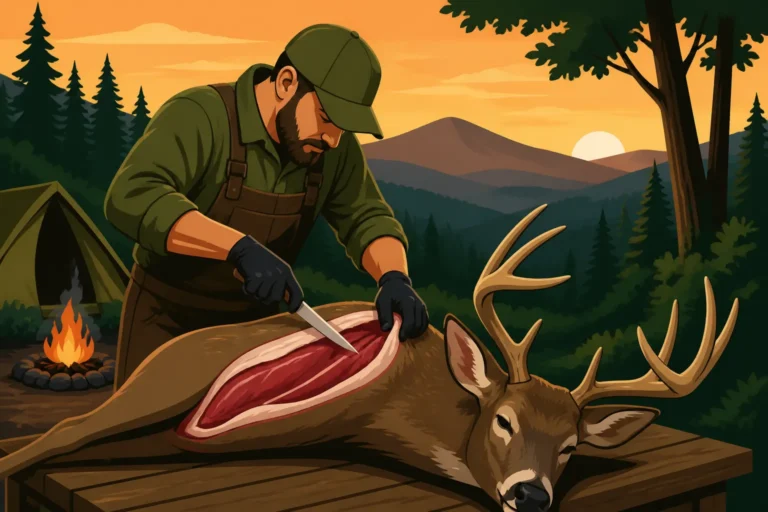
The long, arduous drag can generate a lot of body heat in the deer, especially if it's a warmer day. This is why immediate and thorough field dressing is always the priority. However, even with field dressing, the constant friction and internal heat generated during a prolonged drag can impact meat quality if not managed quickly.
- Prompt Cooling: Once the deer is out and on more stable ground, prioritize cooling the carcass. If it's a warm day, prop the body cavity open with a stick to allow air circulation. If you can, get the deer into the shade. If you're near a stream or creek, you might consider laying the deer next to it to take advantage of the cooler air, though avoid submerging the carcass unless absolutely necessary.
- Protecting the Meat: Use game bags, especially for the exposed cavity and any potential bullet or broadhead holes. Game bags protect the meat from flies, dirt, and debris picked up during the drag. They also allow for crucial airflow.
- Timing: For early archery season hunts when temperatures can still be quite warm, managing a drag and cooling the deer quickly is paramount to prevent spoilage. You might not have the luxury of cooler temperatures as you would when Field Dressing a Deer in Cold Weather. If the drag has been exceptionally long and strenuous on a warm day, you might need to get the deer to a processor or into a cooler with ice as quickly as possible.
Checking and Reporting Your West Virginia Deer
No matter how tired you are, the final step is to legally check your deer. This is a crucial requirement for all hunters in West Virginia, and it's easier than ever thanks to modern technology.
- Legal Requirements: In West Virginia, you are required to report your deer harvest. This helps the West Virginia Division of Natural Resources (WVDNR) manage the deer population effectively. You can learn more about specific regulations at West Virginia Deer Reporting Requirements.
- Online Reporting: The easiest and most common way to check your deer is online through the Go Wild West Virginia platform or the official WVDNR mobile app. You'll need your license information and details about the deer (species, sex, county of harvest). Many hunters do this right from their phone after securing the animal at their vehicle. GoHunt can also often link to or provide easy access to state reporting systems, making the process smoother.
- Physical Check Stations: While less common now, some areas might still have physical check stations, especially during busy opening weekends. Always check the current regulations before heading out to ensure you're compliant. Make sure you understand the West Virginia Deer Tag Transfer Rules if applicable.
Bringing a deer off a steep West Virginia ridge is a true test of grit and planning. But with the right mindset, appropriate gear, and smart strategies, you can turn a potentially miserable experience into another rewarding part of your mountain hunting adventure.
Disclaimer
Please note that hunting regulations, seasons, and requirements can change. Always consult the latest West Virginia Division of Natural Resources (WVDNR) hunting regulations pamphlet or their official website before heading afield. This guide is for informational purposes and does not substitute official legal guidance. Safety should always be your top priority.