Layout Blinds and River Boats
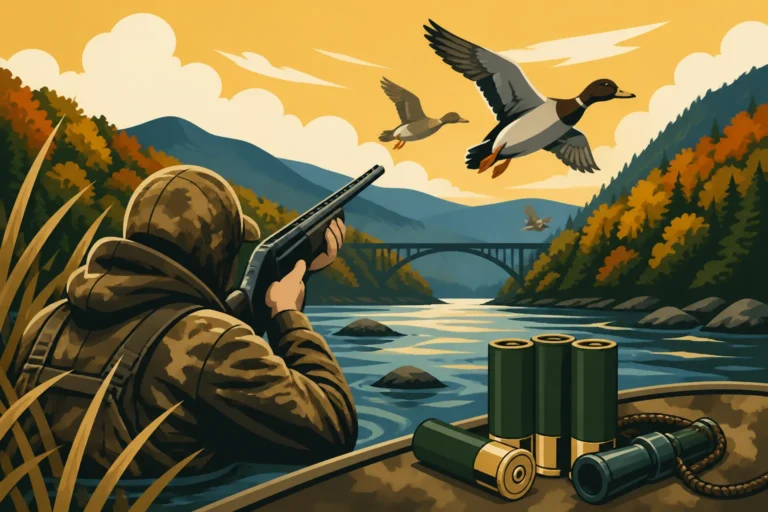
For many West Virginia waterfowl hunters, the dream of calling in ducks and geese to a tight spread often crashes against the reality of difficult terrain and wary birds. Traditional bank blinds or wading into freezing water just doesn't cut it when the birds are working open water or secluded back channels. That's where specialized tools like layout blinds and river boats become absolutely essential, transforming those frustrating hunts into successful, comfortable, and often unforgettable experiences on the water. This guide will walk you through everything you need to know about effectively using these critical pieces of gear to up your West Virginia waterfowling game.
Understanding West Virginia's Waterfowl Environment
Hunting waterfowl in the Mountain State isn't like hunting the vast, flat prairie potholes or coastal marshes. Our landscape offers a unique mix of winding rivers, secluded backwater sloughs, farm ponds, and even larger impoundments that all present different challenges and opportunities. Understanding these environments is the first step to successful waterfowling here.
Key Waterfowl Habitats in the Mountain State
West Virginia's waterways, from the mighty Ohio River to smaller, winding tributaries and mountain streams, provide vital habitat for a variety of waterfowl. You'll find wood ducks tucked away in beaver ponds and flooded timber, mallards working agricultural fields adjacent to rivers, and Canada geese frequenting open pastures and larger lakes. The Ohio River Valley bottomlands are particularly renowned for their waterfowl potential, with plenty of agricultural areas drawing in birds. Smaller creeks and rivers, while sometimes challenging to navigate, often hold surprising numbers of ducks, especially during migration peaks. Impoundments like Bluestone Lake or Stonewall Jackson Lake also concentrate birds, especially later in the season. West Virginia Waterfowl Migration Timing is critical to understanding when and where different species might be found.
It’s not just the big water. Think about those hidden little oxbows, the flooded edges of cornfields after a heavy rain, or even the small, forgotten ponds tucked away in remote hollers. These often-overlooked spots can be absolute goldmines, especially if you're willing to put in the scouting effort. Knowing the nuances of these micro-habitats and how they change with water levels and weather is key.
The Challenges of West Virginia Waterfowling
Hunting waterfowl in West Virginia comes with its own set of unique hurdles. First, access can be tricky. Many prime river stretches are bordered by private land, requiring permission, or are simply difficult to reach without a proper watercraft. Then there's the terrain itself; steep banks along rivers can make setting up a conventional blind a real chore, and moving decoys can be exhausting. Public hunting pressure on more accessible spots can also make birds exceptionally wary, forcing them to seek refuge in harder-to-reach areas or open water where they feel safer.
Furthermore, weather in West Virginia can be incredibly fickle. Early season hunts might be mild, but late season often brings freezing temperatures, rain, and even snow. Dealing with strong currents on larger rivers, navigating shallow stretches, and staying warm and dry are all critical considerations. Without the right gear to address these challenges, many potential waterfowling days can quickly become miserable. This is where the right blend of mobility and concealment, provided by river boats and layout blinds, really shines.
The Ins and Outs of Layout Blinds
When it comes to hunting ducks and geese in open water or large fields where natural cover is scarce, the layout blind is a game-changer. These low-profile blinds allow you to disappear into the landscape, offering superb concealment where other options simply fail.
Types of Layout Blinds and Their Applications
Layout blinds come in various forms, each designed for specific hunting scenarios. The most common are traditional field layout blinds, essentially a low-profile coffin-like structure that you lie down in. These are fantastic for hunting over large stubble fields, cut corn, or even in very shallow, flooded agricultural fields where ducks and geese are feeding. Their small footprint makes them easy to brush in with local vegetation. Then you have more specialized options, like floating layout blinds. These are designed for deeper water, allowing you to hide effectively in sloughs, ponds, or calm river backwaters. They keep you elevated just above the water line, reducing your profile. Some are even designed to be deployed from a boat, offering incredible versatility.
When choosing a layout blind, think about the primary type of hunting you'll be doing. Are you mostly field hunting geese on farmland in the Eastern Panhandle? A sturdy, low-profile field blind is probably your best bet. Do you spend more time chasing divers on open water or working flooded timber? A floating or boat-compatible blind might be more appropriate. I've found that having a couple of different options allows you to adapt to whatever the birds are doing on any given day.
Camouflage and Concealment Strategies
The effectiveness of a layout blind hinges entirely on how well you conceal it. It's not enough to simply throw it in a field or on the water. You need to become part of the environment. The first step is matching the blind's base camouflage pattern to the general surroundings. Many blinds come in popular waterfowl patterns, but these are just a starting point. The real magic happens with "brushing in." This involves gathering natural vegetation from your hunting location – corn stalks, stubble, cattails, tree branches, even mud – and weaving it into the blind's existing loops and flaps.
The key is to break up the outline of the blind completely. Look at it from a bird's eye view. Are there any unnatural straight lines or dark shadows? Is it a lump sticking out in an otherwise flat field? Pay attention to the sun's position throughout the day, as shadows will shift. A common mistake is not brushing in the ends of the blind adequately. Remember, birds are constantly looking down for anything out of place. A well-brushed-in blind can make all the difference, making even the most wary waterfowl commit to your spread. Resources like GoHunt can often provide satellite imagery that helps you visualize how your blind might look from above, aiding in your concealment planning.
Pros and Cons of Using Layout Blinds
Layout blinds offer significant advantages for West Virginia waterfowl hunters, but they also come with a few drawbacks.
Pros:
- Superior Concealment: Their low profile makes them incredibly effective in open environments, allowing birds to approach decoys without spotting hunters.
- Portability: Many models fold up relatively compactly, making them easier to transport to remote fields or shorelines compared to larger panel blinds.
- Comfort: Lying down, often with a padded backrest, can be surprisingly comfortable during long waits, especially in cold weather when you can be fully zipped in.
- Versatility: They can be used in fields, shallow water, or even deployed from larger boats, adapting to various hunting scenarios.
- Protection from Elements: Many blinds offer excellent protection from wind, rain, and cold, keeping you warmer and drier than an open-air setup.
Cons:
- Limited Visibility: Being low to the ground means your field of view is restricted. You often need to lift your head to spot incoming birds, which can flare them.
- Physical Demand: Getting in and out of a layout blind can be challenging for some, especially when wearing bulky waders and gear.
- Cold/Wet Conditions: While they offer protection, prolonged exposure in wet or extremely cold conditions can still be uncomfortable if not properly insulated underneath.
- Movement: The act of sitting up to shoot can be jerky, potentially flaring birds if not executed smoothly. Practice is key.
- Brush-in Time: Proper concealment takes time and effort, and you might need to carry extra brushing materials, which adds to your gear load.
Despite the cons, for many open-water or field hunting situations in West Virginia, the advantages of a layout blind far outweigh the disadvantages, making them an indispensable tool in the waterfowler's arsenal.
Navigating West Virginia Waters with River Boats
River boats are the lifeblood of West Virginia waterfowling, granting access to otherwise unreachable areas and providing a mobile platform for setting up your hunt. Without a reliable boat, many of the best waterfowl spots simply remain out of reach.
Choosing the Right River Boat for Hunting
Selecting the right river boat depends heavily on the specific waterways you plan to hunt and the conditions you expect to encounter. For smaller creeks, sloughs, and shallow backwaters, a canoe or a small, lightweight jon boat might be perfect. They're maneuverable, easy to launch, and can navigate very shallow water. Many hunters find a 12-14 foot jon boat to be a fantastic all-around option for rivers like the Elk or the Greenbrier, especially if fitted with a smaller outboard motor. Marsh Boats and Push Poles are also great options for specific, very shallow environments.
For larger rivers like the Ohio, Kanawha, or Potomac, where you might encounter strong currents, large wakes, and open stretches of water, a more substantial boat is often necessary. A 16-18 foot jon boat with a larger outboard, or even a specialized aluminum river sled, provides greater stability, cargo capacity, and safety. These boats can handle more chop and carry a larger decoy spread, multiple hunters, and all the associated gear. Always consider how much gear you need to transport, how many hunters will be with you, and the typical water conditions you'll face before making a purchase. Durability is also key; West Virginia rivers can be tough on hulls.
Here’s a quick comparison of common river boat types for hunting:
| Boat Type | Ideal Use Cases | Pros | Cons |
|---|---|---|---|
| Canoe/Kayak | Small creeks, shallow sloughs, solo/duo hunting | Lightweight, quiet, highly maneuverable, low cost | Limited cargo, unstable, exposed to elements, slow |
| Small Jon Boat (12-14 ft) | Medium rivers, backwaters, ponds, 2-3 hunters | Stable, decent cargo, can motor, relatively inexpensive | Can be shallow-draft limited, less stable in chop |
| Large Jon Boat (16-18 ft) | Large rivers, open water, multiple hunters | High cargo, stable, handles chop, good speed | Heavier, requires larger motor, harder to launch solo |
| Aluminum River Sled | Fast rivers, rocky bottoms, extreme shallow water | Extremely durable, shallow running, built for abuse | Heavier, higher cost, less comfortable in open water |
Motorization and Propulsion Options
Once you've picked your boat, you need to decide how you're going to move it. For canoes and kayaks, paddles are the obvious choice, offering stealth and simplicity. However, for most jon boats, a gasoline outboard motor is standard. For smaller boats and shallower rivers, a 9.9hp or 15hp motor might be sufficient, allowing you to get into those tight spots without drawing too much water. However, for larger boats or those planning to traverse big water, a 25hp, 40hp, or even larger outboard will provide the necessary power and speed to safely and efficiently move your spread and crew.
Surface drive mud motors are another excellent option for extremely shallow or vegetated environments. These motors push you through water that would choke a conventional outboard, making those otherwise inaccessible marshy areas a real possibility. Electric trolling motors are also invaluable for silent maneuvering once you're in position, allowing you to fine-tune your decoy spread or retrieve downed birds without spooking any lingering ducks. Always carry a reliable backup form of propulsion, be it oars, paddles, or a secondary motor, because West Virginia rivers can be unforgiving if your primary engine fails.
Safety and Navigation on West Virginia Rivers
River safety is paramount, especially when hunting in cold weather. Always wear a life vest, or at the very least, have one readily accessible for every person on board. Cold water is a killer, and even strong swimmers can quickly succumb to hypothermia. Tell someone where you're going and when you expect to return. Carry a fully charged cell phone in a waterproof bag, and consider a marine radio for larger waterways.
Navigating West Virginia rivers requires vigilance. Be aware of submerged logs, rocks, sandbars, and changing water levels. It's a good idea to scout unfamiliar stretches of river during daylight hours before attempting to navigate them in the dark before a hunt. Using reliable GPS and mapping apps, such as those found on platforms like GoHunt, can be incredibly helpful for identifying channels, hazards, and property lines. Know your local regulations regarding lights, boat registration, and emergency equipment. Always err on the side of caution; no duck or goose is worth risking your life over.
Combining Blinds and Boats for Optimal Success
The real magic happens when you integrate layout blinds with your river boat strategy. This combination offers unparalleled mobility, concealment, and the ability to adapt to almost any waterfowl hunting scenario West Virginia throws at you.
Integrated Boat Blinds and Setups
Many waterfowl boats are now designed with integrated blinds, offering a seamless hunting platform. These boat blinds essentially turn your jon boat or skiff into a floating fortress of camouflage. They typically consist of a frame that attaches to the boat, with a durable, camouflaged fabric shell that can be quickly deployed or collapsed. Some designs even allow you to stand up and shoot from inside the blind, offering better visibility than a traditional layout blind.
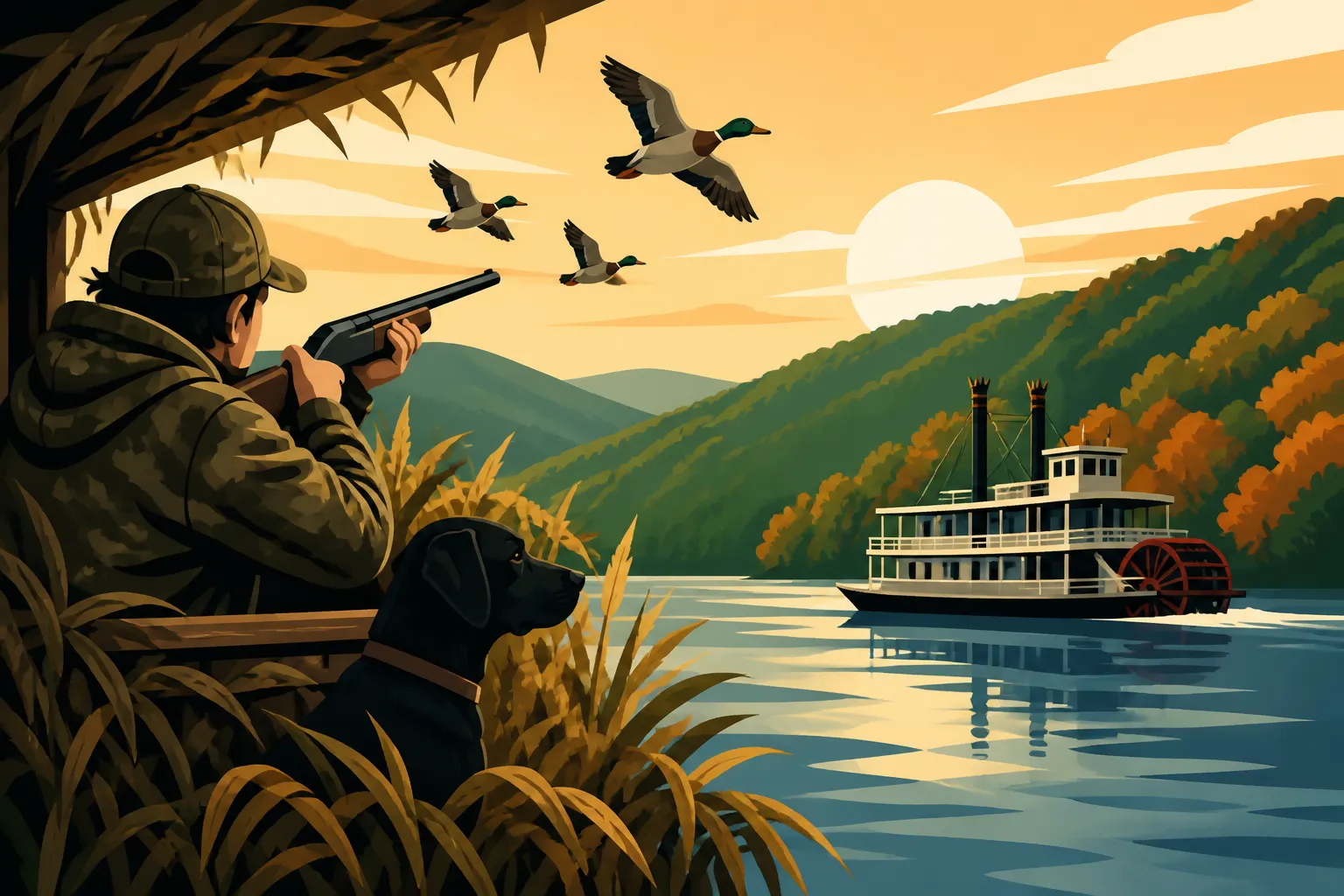
These setups are fantastic for hunting larger open water bodies, river edges, or even flooded fields where you need the stability and cargo capacity of a boat but also require complete concealment. You can motor to your spot, deploy the blind, set your Decoy Spreads for Ohio River Divers or mallards, and wait in relative comfort. The ability to carry a massive amount of gear, multiple hunters, and a dog, all while staying hidden, makes integrated boat blinds a formidable tool. Just like field blinds, remember to "brush in" your boat blind with natural vegetation from the immediate surroundings to help it truly disappear into the habitat.
Deploying Layout Blinds from River Boats
Even if your boat doesn't have an integrated blind, a river boat is still invaluable for deploying traditional layout blinds. Imagine this: you've identified a prime feeding area in a cut cornfield adjacent to a river. Instead of hauling all your gear across soggy fields, you can load everything into your jon boat, motor upriver, and then quickly unload your layout blinds, decoys, and other equipment right onto the bank. This saves immense time and effort, especially if you have a large spread to deploy.
For hunting open water, you can motor your boat to a shallow flat or a secluded cove, anchor it away from your spread, and then deploy floating layout blinds directly from the boat. This keeps your boat hidden and gives you the low profile needed for wary birds. It also allows you to quickly pick up and move if the birds aren't working your spot. The boat acts as your mobile base camp, carrying all the essentials like extra layers, food, water, and dog blinds, allowing you to focus on the hunt itself.
Scouting and Positioning Strategies
Effective scouting is the bedrock of successful waterfowl hunting in West Virginia, and your boat and blind combo amplifies your scouting efforts. Use your river boat to access remote areas of rivers and impoundments that are inaccessible by foot. Look for fresh sign: muddy edges from feeding ducks, droppings, and most importantly, concentrations of birds. Pay close attention to flight patterns – where are they coming from, and where are they going? What time of day are they most active?
Once you've identified a potential spot, use your knowledge of layout blinds to choose the best hide. For example, if birds are landing in a wide-open section of a field, you'll want to position your layout blinds downwind or crosswind from where you expect them to approach. Consider the sun's position throughout the day to avoid being silhouetted. If you're hunting open water from a boat blind, position your boat slightly off the "X" where birds want to land, giving them room to work. Tools like GoHunt can be exceptionally useful for studying topographical maps and aerial imagery, helping you pinpoint potential landing zones, identify natural funnels, and plan your approach and escape routes. Remember, a good hide in the right spot is often more important than the most expensive decoys.
Essential Gear and Safety Considerations
Beyond the boats and blinds themselves, a few other pieces of gear and critical safety considerations will round out your West Virginia waterfowl hunting experience.
Decoy Spreads and Calling Techniques
No matter how well you're hidden, you still need to attract birds. This is where your decoy spread and calling techniques come into play. For West Virginia rivers, a mix of mallard, wood duck, and Canada goose decoys is usually effective. Consider adding some diver decoys like ringnecks or bluebills if you're hunting larger impoundments or the Ohio River, where these species are more common. Motion decoys, like spinning wing or swimming decoys, can add realism and draw attention from a distance, especially on calm days. Don't be afraid to experiment with different spreads – J-hooks, U-shapes, or simply a loose blob – to see what the birds respond to. Decoy Spreads for Ohio River Divers might look different than a puddle duck spread on a small creek.
Calling is another art form. A good duck or goose call can seal the deal, but a bad call will send birds spiraling away. Practice makes perfect, and listening to real birds is the best teacher. Start with basic greetings and feeding calls. Don't overcall; let the birds tell you what they want. Sometimes, silence is the best call of all, especially with heavily pressured birds. Knowing when to call and when to shut up is a skill developed over many seasons.
Cold Weather and Water Safety
West Virginia waterfowl season often extends into bitter cold, making Waders for River Bottom Hunting and appropriate layering absolutely crucial. Invest in good quality, insulated waders and waterproof outerwear. Layer your clothing effectively, starting with a moisture-wicking base layer, then insulating mid-layers like fleece or wool, and finally a waterproof/windproof outer shell. Your core temperature is vital, but don't forget extremities: warm, waterproof boots, insulated gloves, and a hat are non-negotiable. Always pack extra dry clothes in a waterproof bag, just in case.
Beyond personal warmth, consider the safety implications of cold water. As mentioned, life vests are a must. Avoid overloading your boat. If hunting with a dog, ensure they have a Dog Vests for Cold Water Retrieves to keep them warm and aid buoyancy in strong currents. Carry an emergency kit with a first-aid kit, a flashlight, fire-starting materials, and a means of communication. Always be aware of ice conditions; thin ice is incredibly dangerous and should be avoided at all costs.
Legalities and Regulations for Waterfowl Hunters
Before you even think about hitting the water, make sure you're up to date on all West Virginia hunting regulations. This includes understanding West Virginia Duck Season Dates and West Virginia Goose Season Dates, bag limits, shooting hours, and specific zone regulations. You'll need a valid West Virginia hunting license, a state waterfowl stamp, and a federal duck stamp. Additionally, you must be HIP (Harvest Information Program) certified. West Virginia HIP Certification for Bird Hunters is a simple process but it's mandatory.
Be aware of specific rules for migratory bird hunting, such as the requirement for non-toxic shot. Lead shot is strictly prohibited for waterfowl hunting. Also, familiarize yourself with any WMA (Wildlife Management Area) specific rules if you're hunting public land, as some areas may have additional restrictions on boat usage, access points, or hunting methods. Ignorance of the law is never an excuse, so do your homework every season.
Disclaimer
This article is for general informational purposes only and does not constitute professional advice. Laws, prices and regulations vary by location and change over time. Consult a qualified professional for guidance on your specific situation.