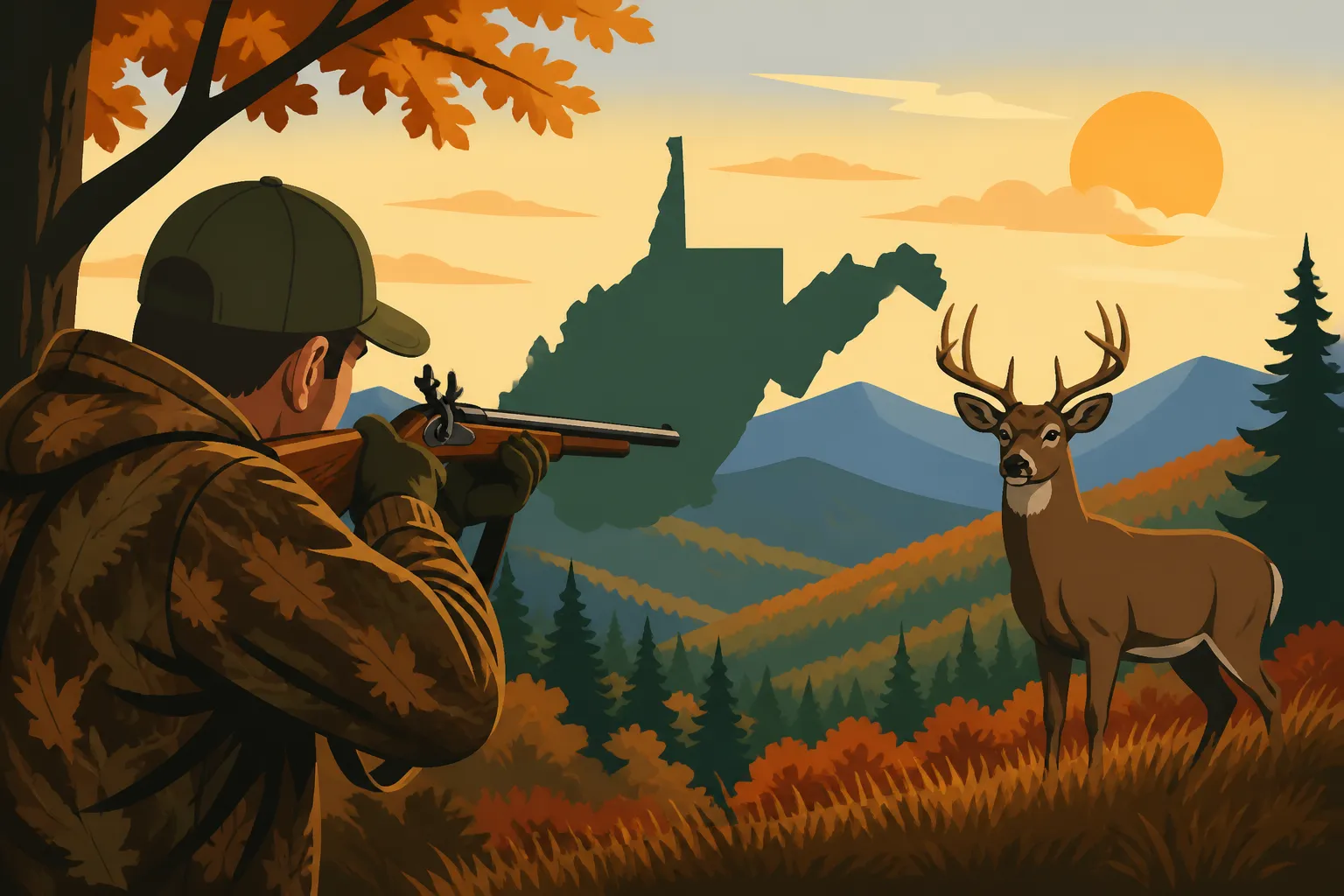
Muzzleloader Deer Hunting in West Virginia
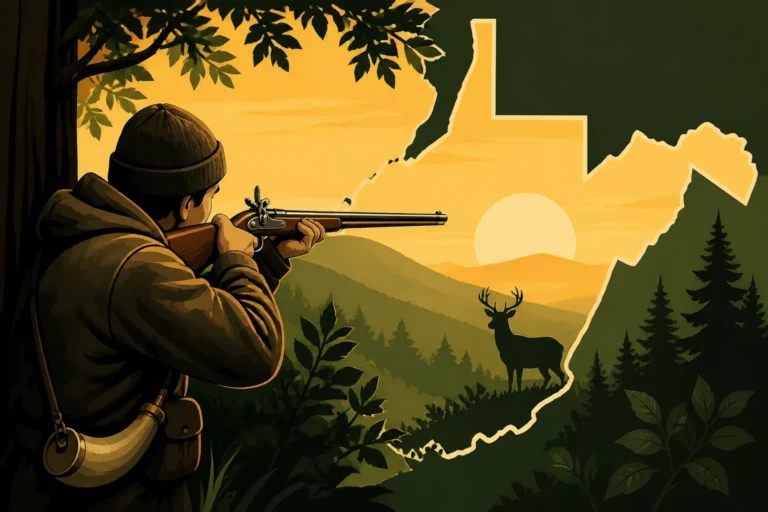
The West Virginia muzzleloader deer season, often falling in December, presents a unique set of challenges and opportunities for hunters. It's that time of year when the whitetails have been pressured by archery and gun seasons, the weather can be brutally cold, and the woods feel quieter, almost sacred. You're not just fighting the elements and wary deer, but also the intricacies of a primitive weapon that demands precision and patience. This comprehensive guide will equip you with the knowledge, tactics, and confidence to make the most of your time in the beautiful West Virginia mountains with a muzzleloader in hand.
Understanding West Virginia's Muzzleloader Season Rules and Dates
Navigating the regulations for any hunting season in West Virginia can feel like deciphering ancient scrolls, and muzzleloader season is no exception. It's crucial to know the specific dates and rules to ensure a legal and successful hunt, especially as the late season often brings stricter guidelines and different county allowances. Don't let a technicality spoil your hard-earned time in the woods.
Key Season Dates and County Variations
West Virginia's muzzleloader season typically follows the main buck gun season, usually kicking off in early to mid-December and running for a week or so. This timing is critical because it means you're often hunting deer that have already survived weeks, if not months, of pressure. They're jumpier, more nocturnal, and much more likely to be holed up in thick cover. While the statewide dates are generally consistent, it's always wise to double-check the current year's West Virginia Muzzleloader Season Dates in the official WVDNR Hunting and Trapping Regulations booklet or online. Sometimes, specific counties might have slightly different start or end times, or even special antlerless days that align with the muzzleloader framework. For instance, while most of the state opens in December, there might be counties with earlier or later youth opportunities, or areas with specific antlerless quotas. This late-season window is particularly important for hunters looking to fill a freezer after the intense buck gun season, or for those who simply cherish the solitude of a December hunt.
Beyond the statewide dates, it's worth noting how the West Virginia Deer Season Structure Explained layers these seasons. Some counties, particularly in the southern archery-only zones, might not have a traditional muzzleloader season as they do not permit firearms during deer season at all. Always confirm your specific county's regulations. You don't want to make a long drive to a favorite hunting spot only to discover you're out of compliance. Pay close attention to zones with Chronic Wasting Disease (CWD) as well; while the muzzleloader season itself isn't directly impacted by CWD carcass movement restrictions, knowing the CWD zones is vital for post-harvest care. Checking these details well in advance can save you a lot of headache and ensures your hunt is within legal bounds.
Legal Muzzleloader Requirements and Restrictions
When it comes to legal muzzleloaders in West Virginia, there are specific definitions and requirements you must adhere to. Generally, the state permits muzzleloading rifles, pistols, and shotguns that are 40 caliber or larger, or muzzleloading shotguns using a single projectile. This means you can't just grab any old black powder firearm and head into the woods. Most modern in-line muzzleloaders with open sights or scopes are legal, and many hunters opt for these due to their accuracy and ease of loading. However, it's the traditionalists who often embrace the challenge, favoring flintlocks or percussion cap rifles. Remember, you can only load a single projectile at a time, and the use of scopes is permitted during the muzzleloader season, unlike during the early archery season where crossbows have specific rules.
One critical aspect of West Virginia Legal Firearms for Deer Hunting is the projectile itself. While many states allow sabots, West Virginia's regulations are generally favorable to them, meaning you can use the modern, jacketed bullets enclosed in a plastic sabot for increased accuracy and downrange performance. However, always verify that your specific projectile type is permitted. For those hunting with a traditional cap-and-ball revolver during muzzleloader season, note that there are specific caliber and ammunition rules for handguns as well. It’s not just about the gun, but also about the bullet it fires. For hunters in the CWD containment areas, there are generally no specific muzzleloader equipment restrictions related to the disease itself, but knowing the guidelines for carcass transport is still important. Make sure your chosen setup meets all these criteria before you hit the timber, ensuring you're not just capable, but also compliant.
Tagging and Reporting Your Muzzleloader Harvest
Successfully harvesting a deer with a muzzleloader is a monumental achievement, but the work isn't over once the shot is fired. West Virginia has clear rules for tagging and reporting your harvest, and adherence is mandatory. Immediately after downing a deer, you must attach your valid deer tag to the animal. This tag should be completely filled out with the date, time, and county of kill, and must remain with the deer until it's processed. Don't get caught celebrating prematurely without securing your tag, as conservation officers take these regulations seriously. The tag essentially identifies the deer as legally taken and ensures that you're within your bag limit for the season.
Once tagged, the next crucial step is to report your harvest to the WVDNR. This can be done through their online Go Wild West Virginia system, via their mobile app, or by calling a designated toll-free number. The deadline for reporting is typically within 24 hours of the kill, so don't procrastinate, especially if you're in a remote area with spotty cell service. Planning your reporting strategy before you hunt is part of responsible hunting. This reporting data is vital for wildlife biologists, providing critical information about harvest numbers, herd health, and population trends, which directly influences future West Virginia Deer Season Structure Explained. For hunters taking a deer in one of West Virginia's Chronic Wasting Disease Counties, you may be required to get the animal tested, and there might be specific guidelines about moving the carcass out of the CWD containment zone. Always check the latest regulations concerning CWD to avoid any issues. By properly tagging and reporting, you're not just complying with the law, but actively contributing to the conservation efforts that make West Virginia such a fantastic hunting destination.
Choosing the Right Muzzleloader and Ammunition for Mountain Hunting
Selecting the proper muzzleloader and ammunition isn't just about legality; it's about performance, reliability, and confidence in the field. The unique demands of West Virginia's steep terrain, thick cover, and often unpredictable late-season weather require a setup that can stand up to the challenge. Don't underestimate how much the right gear can impact your success and enjoyment.
In-Line vs. Traditional Muzzleloaders for West Virginia
When deciding on a muzzleloader for hunting West Virginia, you essentially have two main camps: the modern in-line muzzleloaders and the classic traditional models like flintlocks or percussion cap rifles. Each has its pros and cons, especially when facing the ruggedness of the Mountain State. In-line muzzleloaders, often from brands like CVA, Traditions, or Thompson/Center, are popular for their simplicity, reliability, and accuracy. They use modern primers for ignition, which are much less susceptible to moisture, a huge advantage when you're hunting in a drizzly December or through snow. Their faster lock time and often rifle-like ergonomics make them easier to shoot accurately, especially for hunters accustomed to modern firearms. Many come drilled and tapped for scopes, offering a significant advantage for those longer shots across a hollow or in low light conditions. If your priority is maximum accuracy and ease of use, an in-line is likely your best bet for West Virginia Muzzleloader Tactics.
On the other hand, traditional muzzleloaders offer a unique challenge and a deep connection to hunting heritage. Imagine the thrill of downing a deer with a flintlock, a tool that echoes the frontier hunters of old. However, they demand more skill and attention to detail. Flintlocks, in particular, are notorious for being finicky in wet weather, as a damp pan can lead to a misfire. Percussion cap rifles are a bit more forgiving but still require careful handling of loose powder and caps. The open sights on most traditional models also limit effective range compared to scoped in-lines. For the hunter who cherishes the traditional experience, the added effort is part of the reward. But if you're venturing into the deep woods of the Monongahela National Forest, where a quick, reliable shot might be your only chance, the modern in-line often holds an edge. It's truly a personal choice, weighing tradition against practical performance in challenging conditions.
Selecting the Best Projectiles and Powders
Once you've settled on your muzzleloader type, the next critical decision is your projectile and powder combination. This choice can drastically affect your accuracy, killing power, and even the ease of loading in the field. For most West Virginia deer hunters using in-line muzzleloaders, saboted projectiles are the go-to. These typically consist of a jacketed bullet (often a .45 caliber) nested in a plastic sabot that engages the rifling of a .50 caliber barrel. Brands like Hornady, Barnes, and Thompson/Center offer excellent saboted bullets that provide superior ballistic performance and expansion on impact, critical for a clean kill. The key is to match the sabot to your barrel's twist rate for optimal accuracy. If you're using a traditional rifle, patched round balls or conicals (like PowerBelts) are common, offering good performance at closer ranges. The weight of your projectile also matters; heavier bullets generally retain more energy and penetrate deeper, which is beneficial for punching through a deer's shoulder or for quartering shots.
When it comes to powder, you'll typically choose between loose black powder, black powder substitutes (like Pyrodex or Triple Seven), or pre-measured pellets. Loose powder offers the most flexibility for precise loads and is often favored by traditionalists. However, it requires careful measurement in the field, which can be cumbersome in cold, gloved hands. Pellets, on the other hand, are incredibly convenient. Just drop 2-3 pellets down the barrel, and you have a consistent charge. They're quick, clean, and less prone to moisture issues than loose powder, making them a great choice for the West Virginia backcountry. Always make sure you're using Muzzleloaders Under West Virginia Rules, and that your powder choice is appropriate for your firearm. Regardless of your choice, spend ample time at the range patterning your muzzleloader with different combinations to find what shoots best out of your specific barrel. A gun is only as good as the shooter and the load, so practice with what you intend to hunt with, in conditions as close to actual hunting as possible.
Essential Muzzleloader Accessories and Maintenance
A successful muzzleloader hunt in West Virginia is about more than just the rifle and ammo; it's about having the right accessories and knowing how to maintain your equipment in the field. Foremost among these are the basic loading and cleaning supplies. You'll need a reliable bullet starter, a sturdy ramrod (the one that comes with your gun is often flimsy), and a consistent powder measure if you're using loose powder. Carrying extra primers or percussion caps in a waterproof dispenser is an absolute must, as is a cleaning jag, patches, and a small bottle of bore solvent and oil. Keeping your powder dry in wet snow is paramount, so invest in a quality powder flask or pellet dispenser that seals tightly. Many hunters also carry a short, rigid range rod for easier loading, especially if they have a scope mounted on their rifle, which can interfere with the standard ramrod.
Beyond loading, maintenance is key. Muzzleloaders are notorious for fouling quickly, so having a quick-clean solution like isopropyl alcohol or Windex on patches can keep your bore functioning during an extended hunt or for follow-up shots. A small punch and hammer might be needed for clearing a stuck breach plug, especially on an in-line. Don't forget a small screwdriver set for tightening loose scope rings or other hardware, as the recoil can jostle things. For traditional hunters, a nipple wrench and spare nipples are critical. For all muzzleloader hunters, a good pair of quality binoculars, like those you might explore on the GoHunt Gear Shop, are indispensable for scouting and shot placement in the often-dense West Virginia woods. A rangefinder is also extremely helpful, as judging distance accurately with a muzzleloader's trajectory can be tricky. Lastly, consider a dedicated muzzleloader pack or pouch that keeps all these small, but vital, items organized and easily accessible, preventing you from fumbling when it matters most.
Scouting and Adapting to Post-Gun Season Deer Behavior
The muzzleloader season presents a unique challenge: you're hunting deer that have already survived the gauntlet of archery and gun season. Their behavior has shifted dramatically, becoming more nocturnal and elusive. Successful muzzleloader hunting in West Virginia requires keen observation, a deep understanding of whitetail habits, and the flexibility to adapt to changing conditions and pressure.
Locating Late-Season Food Sources
As December rolls around in West Virginia, the deer's primary focus shifts dramatically to food and survival. The lush green browse of early season is long gone, and the abundant acorn crops have likely been depleted by deer, turkeys, and squirrels. Your scouting efforts for Hunting the Late-Season December Lull should center on identifying remaining high-calorie food sources. This often means finding forgotten agricultural fields, particularly those with standing corn, soybeans, or winter wheat. If you're hunting private land or agricultural fringes near public ground, these fields can be absolute magnets. Deer will hit them relentlessly, often right at dawn and dusk, or even throughout the night if pressure is low. Keep an eye out for browse lines along field edges and worn trails leading into the woods.
On public lands or in heavily timbered areas, identifying natural late-season food sources can be more challenging but equally rewarding. Look for areas with persistent mast, like red oak acorns (which can sometimes hold longer than white oaks), or overlooked soft mast like crabapples or persimmons that might still cling to trees. Greenbrier thickets, often found in clear-cuts or along stream bottoms, provide valuable browse. Hemlock stands can offer crucial thermal cover and a limited food source during harsh winters. Don't forget about cutovers or young timber stands where tender shoots and saplings might still be available. Scouting a week or two before the season opens, using tools like the GoHunt mapping platform to identify potential field edges or dense cover, can give you a significant advantage. Focus on trails leading to and from these areas, as well as bedding sites that offer quick access to food.
Identifying Sanctuary Areas and Thermal Cover
After weeks of hunting pressure, West Virginia whitetails become masters of evasion, seeking out areas where they feel safe and undisturbed. These "sanctuary areas" are critical to locate for muzzleloader season. Often, these are the thickest, nastiest, steepest, and most inaccessible parts of the woods that most hunters avoid. Think dense laurel thickets, rhododendron hells, steep ravines, remote benches, or stands of conifers like hemlock and spruce that offer both cover and thermal protection from harsh winter winds and snow. These areas might not hold much food, but they offer the security deer desperately need. Deer will often bed down just inside these sanctuaries during the day, only venturing out to feed under the cloak of darkness.
Identifying these areas requires meticulous scouting, both pre-season and during the hunt itself. Look for very faint trails leading into seemingly impenetrable tangles, or subtle shifts in terrain that offer bedding advantages. Thermal cover, especially important in December when temperatures plummet, means dense stands of evergreens that block wind and trap ground heat. Pay attention to the sunny sides of ridges where deer can soak up warmth. Scouting West Virginia Public Land Before Season can help you pinpoint these areas on a map, but boots on the ground are essential to confirm their use. When you find these sanctuaries, resist the urge to bust into them directly. Instead, consider setting up on the fringes, catching deer as they enter or exit, or using a strategic deer drive with a small group of hunters to push them out toward waiting standers. Respecting these sanctuaries and hunting their edges is often the most effective way to intercept wary late-season bucks.
Reading Pressure and Adapting Your Approach
By the time muzzleloader season rolls around, deer have experienced varying degrees of hunting pressure. In popular public land spots, this pressure can be intense, forcing deer into highly secretive, nocturnal patterns. On lesser-known private tracts, the pressure might be minimal. Learning to "read" this pressure and adapt your hunting approach is paramount to success. Fresh boot tracks, discarded energy drink cans, or well-worn trails leading to popular stand locations are all signs of heavy pressure. When you encounter these, understand that deer in the area are likely on high alert, bedded down tight, and moving only under the cover of darkness or in response to extreme hunger.
Your adaptation strategies will depend on the level of pressure. If hunting heavily pressured public ground, consider going deeper, farther, or into rougher terrain than others are willing to go. Hunting areas like Monongahela National Forest Hunting often require significant physical exertion to reach untouched pockets. Or, focus on morning hunts, slipping into your stand well before first light, as deer might be returning to bedding from nocturnal feeding. Midday still-hunting can also be effective, as deer might shift bedding sites in response to subtle disturbances. For areas with moderate pressure, focusing on neglected corners, small un-huntable parcels, or properties where the gun season was light might yield results. Conversely, if you're lucky enough to have access to low-pressure private land, deer behavior might be closer to early season patterns, allowing for more aggressive tactics. Remember, deer will always prioritize survival, so finding where they feel safe from perceived threats is key. Using mapping applications to identify areas that look less accessible or further from established roads can be a powerful tool for finding ground others walk past.
Effective Muzzleloader Hunting Tactics for West Virginia Terrain
Hunting with a muzzleloader in West Virginia is an exercise in patience and precision. The mountainous terrain, combined with the one-shot nature of the firearm, demands thoughtful tactics. Forget long-range potshots; success here comes from understanding deer movement and getting close, real close.
Still-Hunting Steep Allegheny Ridges
Still-hunting is perhaps one of the most rewarding and challenging tactics for muzzleloader season, particularly on West Virginia's steep Allegheny Ridges. This technique involves slowly, quietly, and deliberately moving through the woods, stopping frequently to scan and listen. It's about hunting, not just walking. The key here is to move at a snail's pace, often taking several minutes to cover just a few yards. Imagine you're a predator, not a hunter. The broken terrain of these ridges, with their numerous draws, benches, and thickets, provides excellent cover for both you and the deer. Use the contours of the land to your advantage, staying below ridge lines to keep your silhouette hidden and using trees and brush for concealment. This method is particularly effective when deer are bedded down tight in thick cover, as you can often sneak up on them before they detect you.
The benefit of still-hunting is that you're actively seeking deer, rather than passively waiting. This can be crucial in late season when deer movement is reduced and predictable patterns are harder to find. Focus your attention on thermal cover on sunny slopes or dense evergreen stands where deer might be trying to stay warm. Pay meticulous attention to wind direction, constantly monitoring it with a wind checker. One wrong gust can give away your position. The steepness of the Allegheny Mountains means you'll also be dealing with tricky thermals, which can rise and fall throughout the day. Consider starting high and still-hunting down, or vice versa, depending on the predominant wind and expected deer movement. For a deeper dive into how terrain affects deer, check out Hunting Steep Allegheny Ridges. Remember to stop, look, and listen every few steps. Deer will often spot movement before they hear or smell you, so remaining motionless and using your optics to pick apart cover is paramount.
Ambush Hunting Funnels and Cover Transitions
Ambush hunting is a classic tactic that shines during muzzleloader season, especially when you can pinpoint natural funnels and areas where different types of cover meet. These locations concentrate deer movement, increasing your chances of a close-range encounter. A "funnel" can be anything from a narrow strip of timber connecting two larger woodlots, a saddle between two peaks, a pinch point along a creek bottom, or even a logging road that creates a natural pathway through dense cover. Deer, being creatures of efficiency, will naturally use the path of least resistance or the route that offers the most security. Scouting for a Funnel Between Two Hollows can be particularly effective. These funnels become even more potent in late season, as deer are often trying to conserve energy and stick to established travel corridors.
Equally effective are transition zones where different types of habitat meet. Think about the edge where a thick clear-cut transitions into mature timber, or where a dense laurel patch gives way to a more open hardwood stand. Deer will often browse along these edges or use them as staging areas before entering open feeding grounds. Setting up your stand or ground blind on a field edge and brushing in a blind on a field edge can conceal your presence. The key is to identify these high-traffic areas and position yourself downwind, with good shooting lanes that align with expected deer travel. Since muzzleloaders are generally limited to shorter effective ranges than modern rifles, getting into a tight ambush point is critical. Use your GoHunt maps to identify these terrain features and then verify them with boots on the ground. Be patient, as deer might only use these funnels during specific times of day, but when they do, your chances of success are significantly higher.
Strategic Stand Placement in December
Stand placement for muzzleloader season in West Virginia is a finely tuned art, distinct from early season archery or general gun season setups. The primary considerations shift: deer are warier, colder weather dictates different bedding patterns, and your one-shot muzzleloader demands a close, ethical shot. Don't just pick a tree; choose a stand location that capitalizes on late-season deer behavior. One crucial factor is bedding. Deer will often bed on sun-drenched, south-facing slopes, or in dense thermal cover to escape the cold. Your stand should be positioned to intercept them as they leave or return to these areas, typically at first or last light. Consider how you will approach and exit your stand without alerting deer. This is especially vital on public land where deer are highly sensitive to human presence.
Furthermore, think about the wind and thermals. In the mountains, thermals will typically rise in the morning and fall in the evening. Setting up on the side of a ridge that allows your scent to blow up and over a bedding area in the morning, or down into a feeding area in the evening, can be highly effective. A detailed understanding of Wind and Thermals on a Steep Ridge can make or break your hunt. With shorter daylight hours in December, deer movement is often concentrated during the golden hours of dawn and dusk. This means your stand needs to offer clear, close shooting lanes to primary travel corridors or food sources. Since muzzleloaders excel at shots inside 100 yards, your ideal setup will put deer within 50-70 yards, especially in thick West Virginia timber. Consider using a mobile setup like a saddle or a lightweight hang-on stand with climbing sticks, allowing you to adapt quickly if you scout new sign. Ultimately, strategic stand placement in December is about minimizing your footprint, maximizing your concealment, and positioning yourself for that one perfect shot.
Dealing with Winter Weather and Cold-Weather Muzzleloader Challenges
December in West Virginia can bring brutal cold, rain, snow, and bone-chilling winds. These elements don't just test your resolve; they can wreak havoc on your muzzleloader and your ability to hunt effectively. Overcoming these challenges is a critical part of muzzleloader season success.
Keeping Powder Dry in Wet and Snowy Conditions
One of the biggest anxieties for any muzzleloader hunter in West Virginia's late season is the fear of a misfire due to moisture. Rain, sleet, and snow are common, and nothing is more disheartening than pulling the trigger on a magnificent buck only to hear a "click" instead of a "boom." The absolute priority is Keeping Powder Dry in Wet Snow. If you're using a traditional flintlock, this means meticulously covering your pan and frizzen with a leather or plastic cover, and routinely checking for moisture. For percussion cap rifles, ensure your caps are seated tightly and protected. Modern in-line muzzleloaders, while more forgiving, still require attention. Many come with sealed breeches and utilize 209 primers that offer better water resistance, but don't take it for granted.
Regardless of your muzzleloader type, use proactive measures. Carry your powder (whether loose or in pellets) in a completely waterproof container, like a heavy-duty Ziploc bag or a purpose-built plastic dispenser. After loading, cap or prime your muzzleloader and then consider wrapping the action with electrical tape or a piece of medical tape to seal out moisture. Some hunters even use a condom over the muzzle to prevent moisture from entering the bore. When sitting on stand, keep your muzzleloader pointed down or protected under your arm or a treestand umbrella. If it starts to rain or snow heavily, periodically check your primer/cap and powder area. If you suspect moisture has gotten in, it might be worth unloading and reloading, or at the very least, changing your primer. A clean, dry fire is essential for a successful hunt, and a little extra effort here can prevent a missed opportunity.
Cold Weather Gear and Sitting Strategy
Hunting in West Virginia during December means embracing the cold, not just enduring it. Without the right Cold-Weather Sitting Strategy in the Mountains and proper gear, your hunt will be short-lived and miserable. Layering is paramount. Start with a good moisture-wicking base layer to draw sweat away from your body. Follow this with insulating layers, such as fleece or down, and top it all off with a waterproof and windproof outer shell. Wool is an excellent choice for insulation as it retains warmth even when wet. Don't skimp on extremities: a warm hat (you lose most heat through your head), insulated gloves or mittens, and high-quality, waterproof, insulated boots are non-negotiable. Chemical hand warmers and foot warmers can also be lifesavers for long sits.
Your sitting strategy also needs to adapt. During extreme cold, deer movement can be minimal, especially during the middle of the day. Consider shorter, more active hunts, focusing on the early morning and late afternoon feeding times. If you do plan for an all-day sit, ensure you have plenty of calorie-dense snacks and warm drinks (like coffee or hot chocolate in a thermos) to keep your internal furnace burning. A comfortable treestand seat or ground blind chair with good back support can also help you stay still longer, reducing fatigue. When you find yourself getting cold, try some subtle movements like flexing your toes or tensing your leg muscles to get blood flowing, but be mindful of noise. It's a delicate balance between staying warm and remaining still and silent enough for a shot.
Dealing with Frozen Hands and Fingers
Frozen hands and fingers are more than just uncomfortable; they can severely compromise your ability to safely and effectively operate a muzzleloader. Trying to load a projectile, seat a primer, or even pull a trigger with numb digits is a recipe for frustration and potential danger. This is a common and often overlooked challenge of late-season hunting. The best defense is proactive protection. Invest in high-quality, insulated gloves or mittens that are also waterproof. Mittens generally provide more warmth than gloves because your fingers share body heat, but they sacrifice dexterity. Many hunters opt for a "system" – thin, touch-screen compatible gloves for dexterity when needed, worn inside a larger, warmer mitten that can be easily slipped off for a shot.
Another excellent tool is a hand muff, often called a "muff warmer," worn around the waist. These are incredibly effective for keeping your hands warm and ready, especially when combined with chemical hand warmers inside. They allow you to slip your hands out quickly when a shot presents itself, maintaining full dexterity. If your hands do start to get numb, try swinging your arms in large circles (when no deer are present!) to force blood into your fingertips. Take breaks if necessary, warming your hands near a small, contained fire (if permitted and safe) or in your vehicle. Don't wait until your hands are completely frozen before taking action; prevention is far easier than recovery. Being able to confidently load, aim, and fire your muzzleloader without fumbling is essential for an ethical kill, so prioritize hand warmth.
Field Care and Recovery in the Late Season
Successfully taking a deer with a muzzleloader in late-season West Virginia is just the first part of the journey. The cold temperatures, potential for snow, and rugged terrain significantly impact how you approach field care and, especially, recovery. Prepare for the physical demands and challenges of retrieving your prize.
Blood Trailing After Dark in Cold Temperatures
You've made a good shot, but darkness is falling, and the temperature is plummeting. Recovering a deer in these conditions adds a layer of complexity. Blood Trailing After Dark in West Virginia requires careful planning and execution. First, mark the precise spot where the deer was standing when shot, and the last place you saw it. Use flagging tape, a prominent natural landmark, or a GPS waypoint. Then, resist the urge to immediately pursue. Give the deer ample time (at least 30-60 minutes for a good shot, longer for marginal hits) to expire. This prevents pushing a wounded animal further into difficult terrain. When you begin trailing, move slowly and methodically. Your headlamp is your best friend here, illuminating individual drops of blood.
Cold temperatures can cause blood to clot and congeal faster, making it harder to see, especially against snow or dark leaves. If tracking in snow, look for disturbed snow, tracks, and blood. In dry conditions, look for flipped leaves or disturbed ground. If you lose the trail, spread out and search in expanding circles from the last confirmed sign. If you're hunting with a partner, communicate constantly. Using a quality tracking light, often with a specific color filter, can make blood more visible. For advice on when to call in help, particularly for long or difficult trails, consider the guidance in Blood Trailing After Dark in West Virginia. If the trail is sparse, look for other signs like disturbed ground, broken twigs, or even the smell of deer. If the night gets too cold and you can't find the deer, mark your last spot, retreat, and return at first light with fresh eyes and renewed energy. The cold often helps preserve the meat, but a prolonged search in freezing conditions can be mentally and physically exhausting.
Handling a Deer in Freezing Conditions
Once you've located your deer, the cold weather actually works in your favor for meat preservation. Handling a Deer in Freezing Conditions means you have more time to field dress and transport the animal, as the cold naturally retards bacterial growth. However, this doesn't mean you should delay. Field dress the deer as soon as possible to allow the carcass to cool down completely, removing the internal organs that hold significant body heat. The gutless method is an excellent option if you are planning to bone out your deer in the field and pack it out, especially if you're alone or in steep terrain. This reduces the weight and bulk you need to drag.
If you plan to drag the deer out whole, ensure you have appropriate dragging equipment. A deer sled or a sturdy dragging harness can make the arduous task of dragging a deer Off a Steep Ridge much more manageable, especially through snow or dense brush. If the temperature is well below freezing, you can often leave the deer overnight if necessary, particularly if you've opened the body cavity to cool it down. However, protect it from scavengers by covering it with brush or a tarp. Once the deer is out of the woods, continuing the cooling process is key. Hang the deer in a cool, dry place if possible, allowing it to "age" for a few days to tenderize the meat. If temperatures are consistently freezing or below, you're in good shape. Just ensure it's protected from animals and direct sunlight, even in winter.
Transporting Your Harvest from Steep Terrain
West Virginia is renowned for its steep, rugged terrain, and recovering a deer from a deep hollow or a high ridge can be one of the most physically demanding parts of the hunt. This is where pre-planning and the right gear truly pay off. If you're lucky enough to harvest a deer near a road, you're in good shape. But more often than not, especially on public land, you'll be faced with a significant trek. This is where good physical conditioning becomes obvious. For a full-grown West Virginia whitetail buck, you're looking at 150-200 pounds of dead weight that needs to come out of the woods. This is why many experienced hunters consider the options for Recovering a Deer From a Steep Hollow.
Deer carts can be incredibly useful on relatively flat or gently sloping logging roads, but they are often impractical in very steep, rocky, or brush-choked terrain. In these situations, a heavy-duty game sled or a sturdy deer dragging harness is usually your best bet. If you're hunting with a partner, using two dragging harnesses can greatly ease the burden. For solo hunters in exceptionally rough or remote country, boning out the deer in the field and packing it out in a sturdy frame pack is often the most sensible, albeit time-consuming, option. This significantly reduces the weight and allows you to carry it in multiple trips if necessary. Always consider your exit strategy when choosing your stand location. Think about the easiest path of least resistance for a deer drag, even if it means taking a slightly longer route. Having a reliable GPS unit or a mapping app like GoHunt with offline maps to mark your route can be invaluable for navigating out after dark with a heavy load. Remember to always bring plenty of water and snacks for yourself, as a recovery can be an hours-long endeavor.
Advanced Muzzleloader Techniques and Considerations
Beyond the basics, there are several advanced techniques and considerations that can significantly enhance your muzzleloader hunting success in West Virginia. These often involve careful preparation, strategic practice, and a deep understanding of your equipment and the nuances of the late season.
Preparing for a Quick Second Shot
Unlike modern repeating rifles, a muzzleloader is, by definition, a single-shot firearm. However, being truly prepared means understanding how to attempt a follow-up shot as quickly as possible, should the situation demand it. While an ethical hunter strives for a clean kill with the first shot, deer can sometimes be tough, or a shot might be slightly off. Having a system for a rapid second shot, even if it's not truly "quick," can make the difference between a recovered deer and a lost one. This starts with organization. Pre-measure several powder charges (in speed loaders or individual vials) and have several saboted bullets ready. Keep your primers or caps easily accessible. Practice reloading under pressure, simulating cold weather and urgency.
Modern in-line muzzleloaders with detachable breeches and robust ramrods make this process relatively efficient compared to traditional firearms. If you know you're in an area where a second shot might be necessary, such as hunting thick cover or pursuing a wounded animal, consider carrying a short, rigid range rod that you can quickly deploy instead of relying on the typically flimsy rod stored under the barrel. The aim isn't to be as fast as a bolt-action rifle, but to shave precious seconds off your reload time. This preparation also extends to your mental game. Don't panic. If your first shot wasn't immediately fatal, watch where the deer goes, listen for a crash, and mark the spot. Then, if you believe a follow-up is possible and ethical, quickly and calmly reload. Being mentally and physically prepared to reload is part of responsible muzzleloader hunting, acknowledging the inherent limitations of the weapon while maximizing your options.
Practicing with Your Muzzleloader in Hunting Conditions
Range time is essential for any firearm, but for muzzleloaders, practicing with your muzzleloader in hunting conditions is paramount. It’s not enough to shoot tight groups from a bench rest on a warm, sunny day. You need to simulate the realities of a West Virginia December hunt. This means practicing in cold weather, rain, or even light snow if safe and ethical. Wear the same heavy hunting clothing you'll use in the field, including gloves. This helps you understand how your gear affects your cheek weld, sight picture, and overall shooting mechanics. Try shooting from various field positions: kneeling, standing, leaning against a tree, or even from your treestand if you have a safe backstop. Many West Virginia Muzzleloader Tactics involve shooting from unconventional positions.
Practice at realistic hunting distances for your muzzleloader, typically within 100 yards, with a strong focus on 50-70 yards. Don't just shoot at static paper targets; try to simulate quick shots on a 3D deer target. Pay attention to how recoil affects you in heavy clothing and how long it takes you to recover for a potential follow-up. Practice your loading procedure meticulously, ensuring you can quickly and quietly reload if necessary, even with cold hands. Get intimately familiar with your trigger pull, understanding its break point. If you have a scope, ensure it's zeroed for your preferred hunting distance, and practice adjusting for different ranges if you anticipate varied shots. Remember, a muzzleloader isn't a point-and-shoot weapon; it's an extension of your commitment to ethical hunting, and practice in realistic conditions is the best way to honor that commitment.
Maximizing Success in Limited Season Windows
West Virginia's muzzleloader season is notoriously short, often just a single week in December. This limited window means you need to maximize every moment you have in the woods. Unlike the expansive archery or buck gun seasons, there's little room for error or wasted time. This demands meticulous pre-season planning and flexibility during the hunt. Start your scouting well in advance, even during the summer and fall, to identify prime late-season food sources, bedding areas, and travel corridors. Use trail cameras to monitor deer movement as gun season progresses, noting how patterns shift under pressure and in response to colder temperatures.
During the season, be prepared to hunt all day, every day if possible. The short season means you can't afford to be selective about hunting only prime weather days, though you should prioritize safety. Be adaptable: if your morning stand isn't producing, be ready to still-hunt or move to a different location in the afternoon based on what you're seeing. Pay close attention to weather fronts; a sharp cold front or the first snow can often trigger increased deer movement. For more about this, check out Hunting Deer After a Cold Front. Don't be afraid to try different tactics: a morning sit in a secluded funnel, a midday still-hunt through thick thermal cover, or an evening ambush near a late-season food source. Every day in the muzzleloader woods is a precious opportunity, and by combining diligent scouting, thoughtful strategy, and persistent effort, you can significantly increase your chances of success in this challenging, yet incredibly rewarding, West Virginia deer season.
Disclaimer
Hunting carries inherent risks, including but not limited to injury or death. Always prioritize safety, adhere to all local, state, and federal hunting regulations, and obtain proper licenses and permits. The information provided in this guide is for informational purposes only and should not be considered a substitute for professional instruction or official wildlife agency regulations. Always consult the latest West Virginia hunting regulations before heading afield.