West Virginia Buck Age Structure
West Virginia buck age structure explains the proportion of male deer in various age classes, impacting herd health and hunting quality.
Know what you’re after.
Big game, small game, upland birds, and waterfowl — identification, behavior, rut and migration timing, and how each species moves through the season.
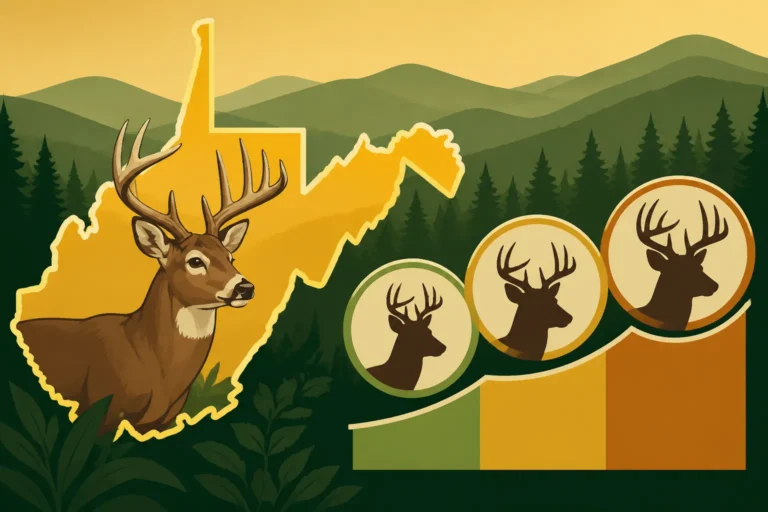
West Virginia buck age structure explains the proportion of male deer in various age classes, impacting herd health and hunting quality.
The West Virginia whitetail deer rut peaks in mid-November when biological triggers drive intense buck and doe activity.
West Virginia deer record book rules explain Boone and Crockett scoring, archery standards, and mandatory drying periods for hunters.

West Virginia trophy whitetail hunting requires understanding Boone and Crockett score standards, deer age, and prime regional habitats.
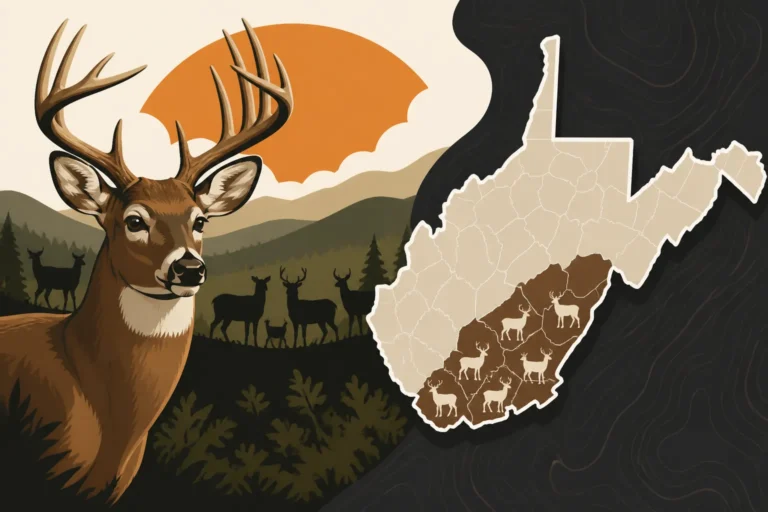
West Virginia Southern Coalfield deer density and habitat factors help hunters locate game in Logan, Mingo, McDowell, and Wyoming counties.
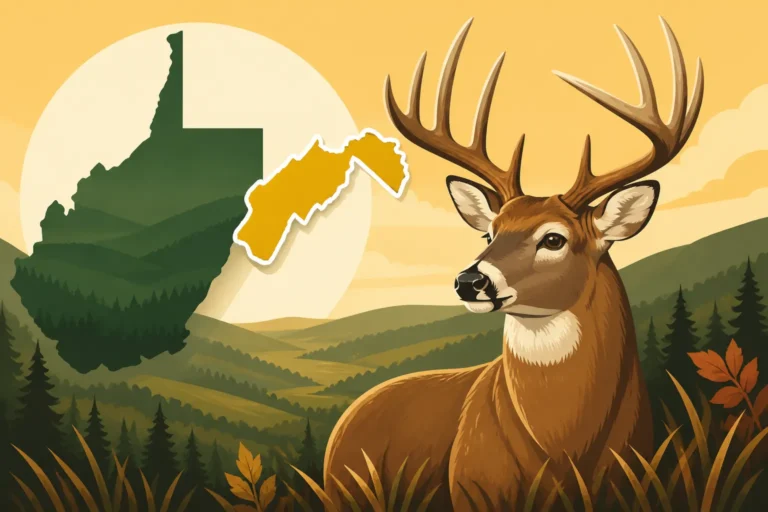
Eastern Panhandle deer geography and agriculture explain why West Virginia hunters find older mature bucks in this region.
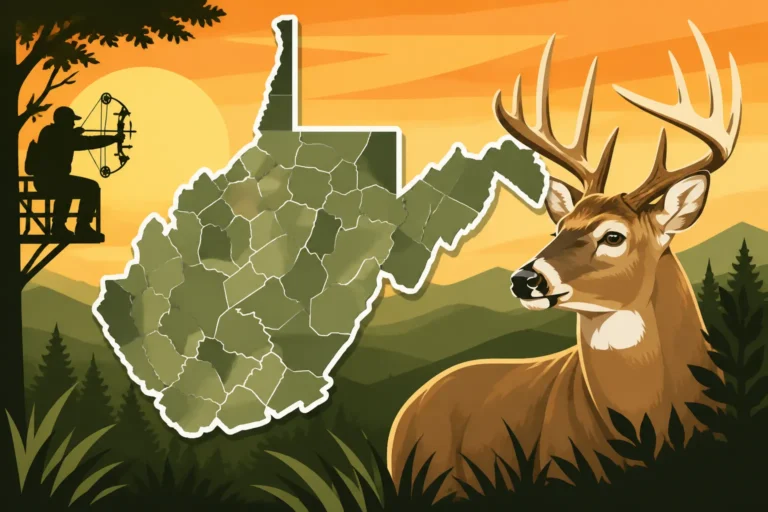
West Virginia counties with prime habitat, abundant nutrition, and older age structures consistently produce trophy whitetail bucks.
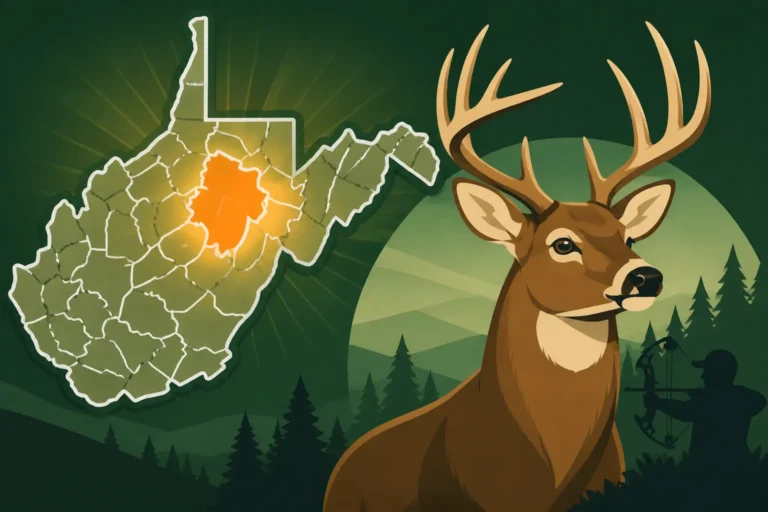
West Virginia deer harvest data and WVDNR reports explain which counties consistently show the highest annual numbers for hunters.
West Virginia annual deer harvest data reveals population trends, hunting season success, and wildlife management strategies.
West Virginia deer herd size estimation methods and population trends explain harvest data and wildlife management challenges.