Aging Venison in Cold Weather
Aging venison in cold weather explains how to tenderize West Virginia whitetail meat using specific temperature controls.
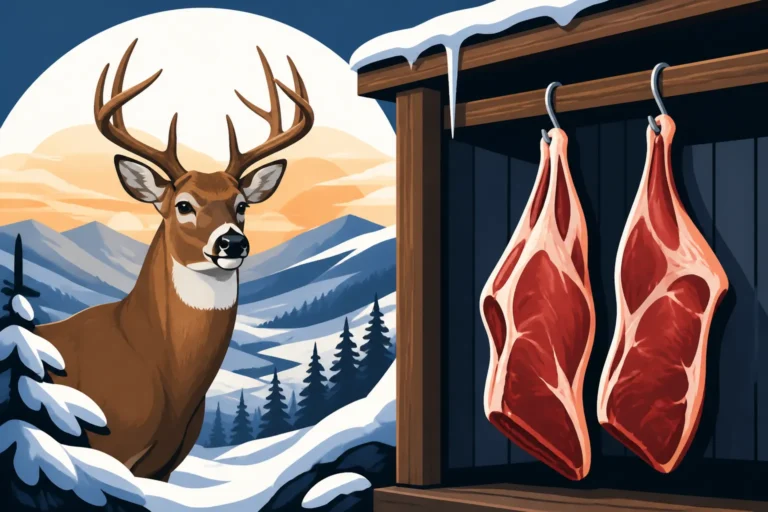
Aging venison in cold weather explains how to tenderize West Virginia whitetail meat using specific temperature controls.
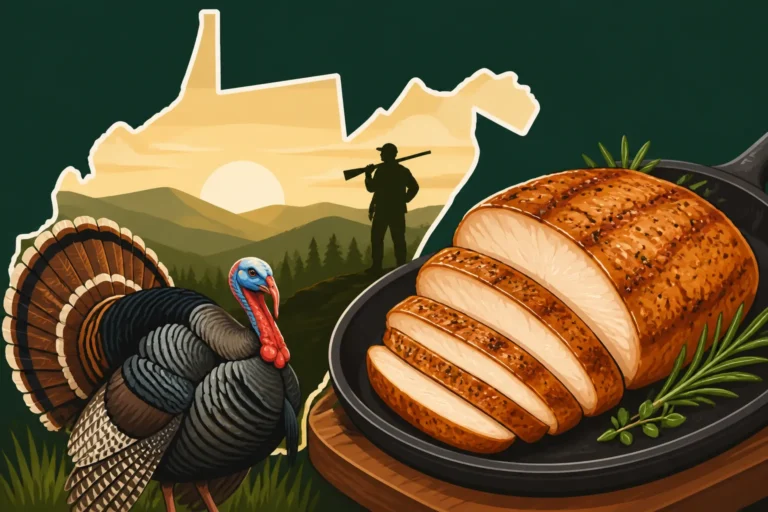
Wild turkey breast brining methods explain how soaking lean game meat in a salt and sugar solution for four to eight hours prevents dryness.
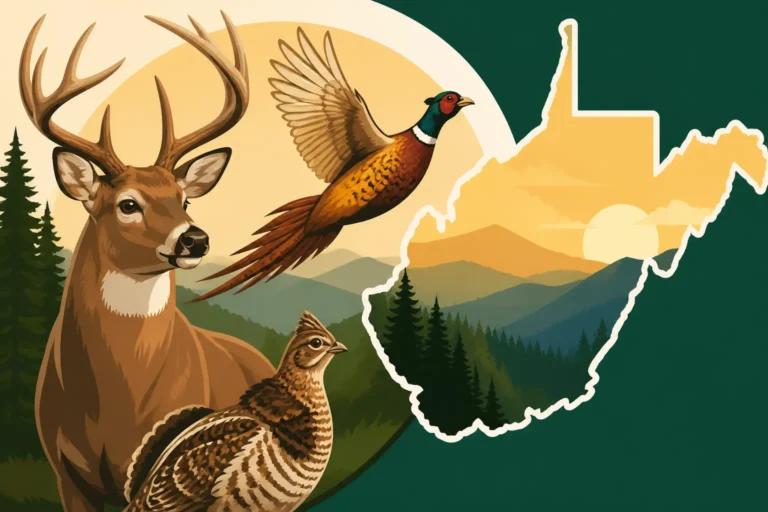
West Virginia wild game flavor and meat tenderness depend on diet, habitat, animal age, and rapid field dressing.
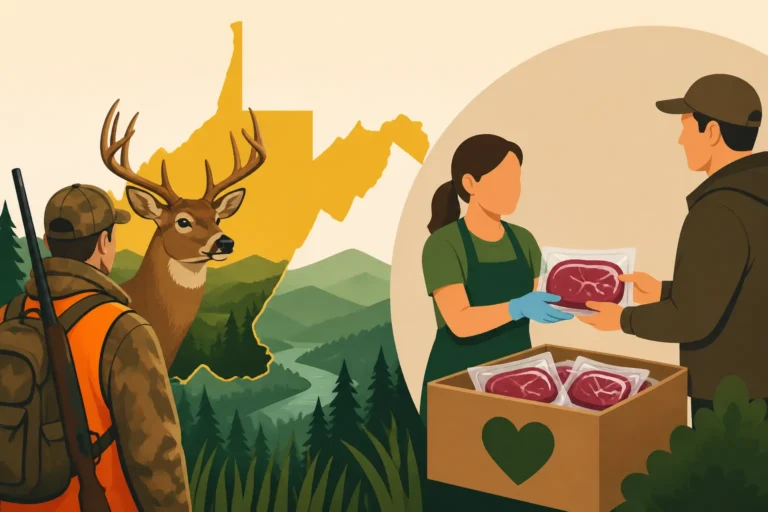
Venison donation in West Virginia provides lean protein to families facing food insecurity while preventing waste and helping neighbors.
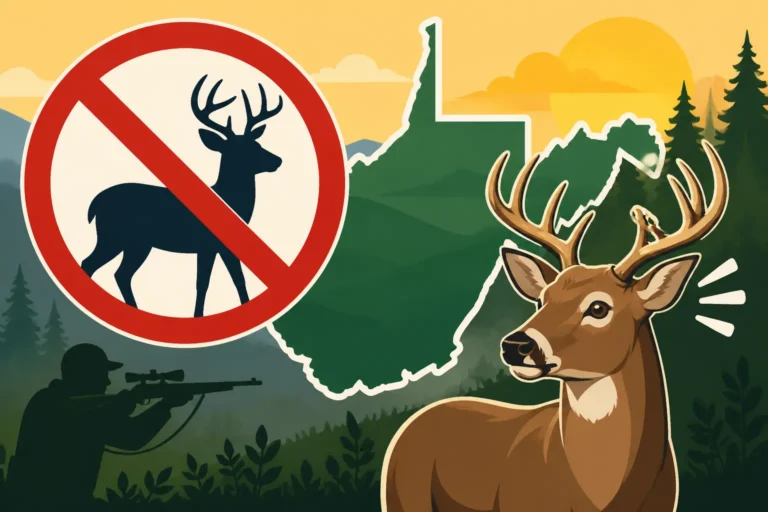
Protected wildlife in West Virginia includes endangered species, raptors, and federally protected bats, salamanders, and squirrels.
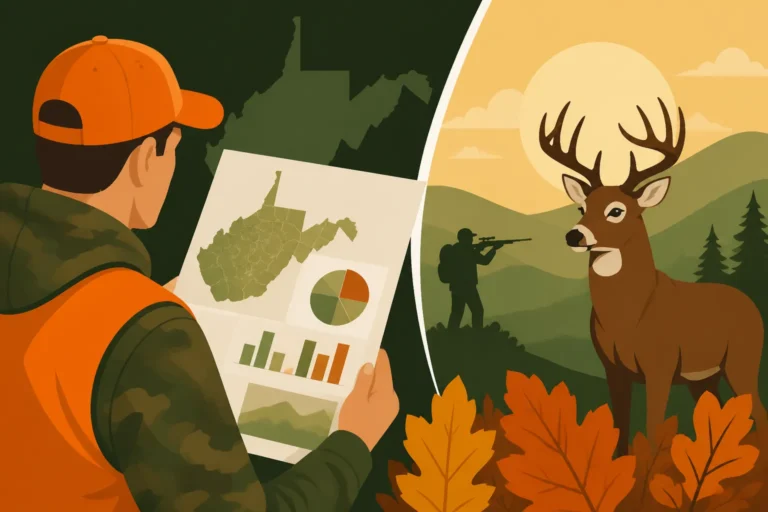
West Virginia harvest reports provide county data for deer, bear, and turkey to improve your hunting season scouting efforts.
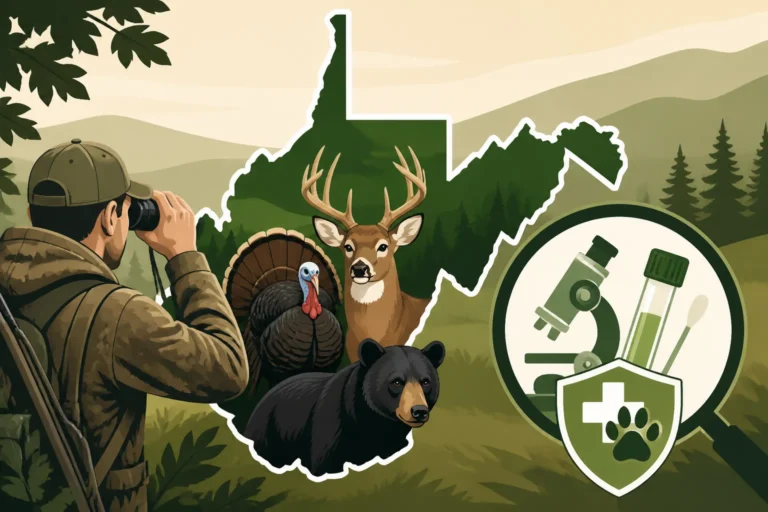
West Virginia wildlife disease monitoring tracks chronic wasting disease, hemorrhagic disease, and mange to protect wild animal populations.
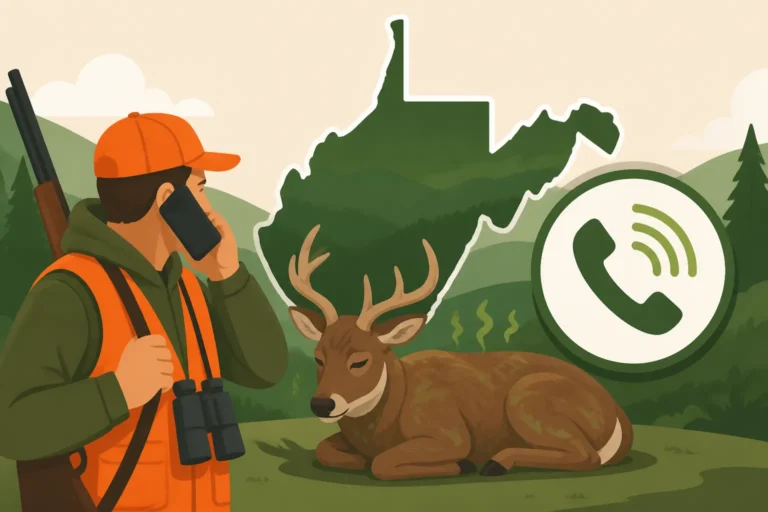
Reporting sick animals helps West Virginia wildlife managers track diseases and protects local deer populations from outbreaks.
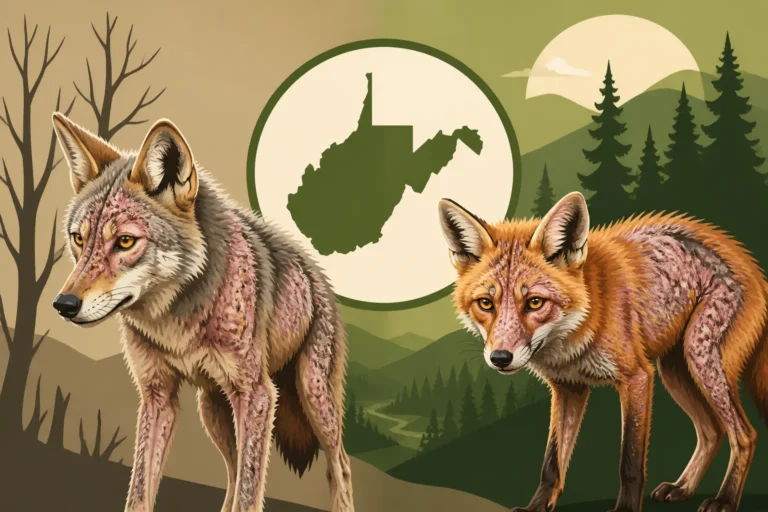
Sarcoptic mange in West Virginia coyotes and foxes is caused by microscopic mites that spread through direct contact and cause severe hair loss.
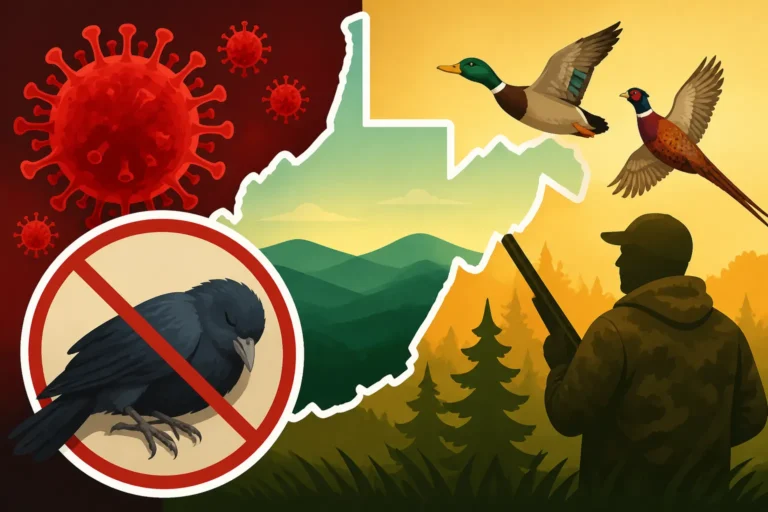
Avian influenza risks, historical outbreaks, and safety precautions for West Virginia hunters and wild bird populations.