West Virginia Disabled Hunter Permit Options
Facing physical challenges shouldn't mean hanging up your hunting gear for good. In West Virginia, we understand that the call of the wild, the thrill of the chase, and the quiet peace of the forest are for everyone, regardless of physical ability. This comprehensive guide is here to walk you through the various disabled hunter permit options available, helping you understand how to navigate the system and continue enjoying our state's incredible hunting opportunities.
Understanding West Virginia's Commitment to Accessible Hunting
It's a genuine frustration when a loved one, or even yourself, starts to face mobility issues or other physical limitations that make traditional hunting methods nearly impossible. You might feel like your days in the woods are numbered, or that the joy you once found is now out of reach. But here in West Virginia, our wildlife resources division has made a real effort to ensure that hunters with disabilities still have avenues to participate. It's not just about compliance; it's about acknowledging the deep-seated passion many of us have for hunting and finding ways to keep that connection alive. The state recognizes the importance of these experiences, not just for the harvest, but for the mental and emotional well-being that comes with being out in nature, participating in a cherished tradition.
This commitment is reflected in a series of specific permits and regulations designed to offer accommodations. These aren't blanket exemptions, but rather carefully crafted allowances that aim to level the playing field, making it possible for individuals with certain physical challenges to pursue game. It’s about more than just getting a license; it’s about access, equipment modifications, and sometimes even assistance in the field, all aimed at fostering an inclusive hunting community. We want everyone to feel welcome and equipped to enjoy the rich hunting heritage that West Virginia offers, from the majestic mountains to the winding river bottoms.
Detailed Breakdown of Disabled Hunter Permit Options
West Virginia offers several specific permits designed to assist hunters with various disabilities. These permits address different needs, from mobility challenges to allowing the use of specific adaptive equipment. It's crucial to understand each option to determine which one best suits your individual circumstances, ensuring you're compliant with regulations while maximizing your hunting potential. You can usually find detailed information and application forms through the official West Virginia Division of Natural Resources (WVDNR) website, and often resources like GoHunt can help clarify the various requirements.
Class H Permanent Disability Permit
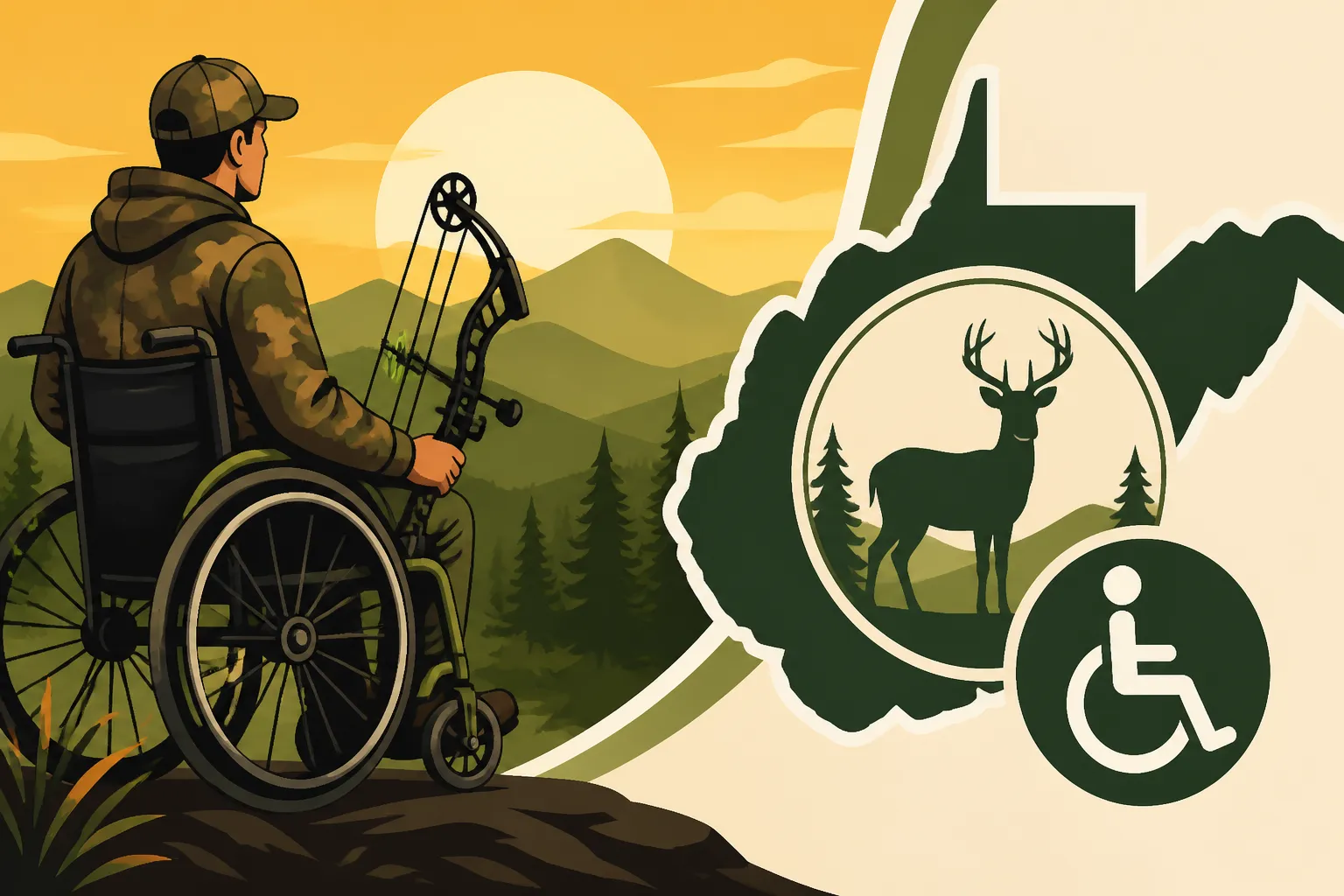
The Class H Permanent Disability Permit is a cornerstone of West Virginia's accessible hunting program. This permit is specifically designed for residents who have a medically documented permanent physical disability that severely limits their mobility or ability to hunt by conventional means. Think of someone who uses a wheelchair, has significant difficulty walking, or has lost the use of a limb. This isn't just for temporary setbacks; it's for long-term, established conditions.
Holders of a Class H permit gain several valuable privileges. Perhaps most notably, it often allows for the use of a crossbow during any open archery season, offering a more stable and less physically demanding shooting platform compared to traditional bows. This can be a game-changer for many who can no longer draw a conventional bow. It also frequently includes allowances for hunting from a stationary vehicle on private land, provided all other safety and legal requirements are met, which is incredibly important for those with severe mobility restrictions. This flexibility opens up areas that would otherwise be completely inaccessible.
Special Disabled Hunter Designations and Privileges
Beyond the Class H, the WVDNR also provides other important considerations for disabled hunters, often tied to specific physical conditions or military service. For instance, certain exemptions exist for individuals with specific amputations or severe orthopedic impairments that prevent them from complying with standard hunting regulations, such as those related to carrying a firearm in a certain manner or maintaining specific body positions. These are critical for truly enabling participation for a diverse range of physical challenges.
Veterans with certain service-connected disabilities also have unique benefits, often receiving reduced-cost licenses or specific allowances. It’s important to explore these specific veteran programs, as they are a way to honor their service while ensuring they can continue to pursue their passion for hunting. These types of designations frequently include the same crossbow and vehicle hunting privileges seen in the Class H permit, but may have slightly different application pathways. You'll want to review the full details on the WVDNR site, and don't forget to check out general guidelines like West Virginia Legal Firearms for Deer Hunting or West Virginia Crossbow Equipment Requirements to ensure your chosen gear aligns with all regulations.
Here's a quick overview of the key disabled hunter permit options:
| Permit Type | Primary Eligibility | Key Privileges | Common Application Needs |
|---|---|---|---|
| Class H Permanent Disability | WV Resident with documented permanent physical disability | Crossbow use during archery season, hunting from a stationary vehicle (private land) | Physician's statement, proof of residency |
| Disabled Veteran | Service-connected disability (specific rating often required) | Reduced license fees, sometimes same privileges as Class H | VA documentation, proof of residency, physician's statement |
| Amputee/Orthopedic Impairment | Specific amputations or severe orthopedic conditions | Exemptions from certain equipment/position rules, possibly crossbow/vehicle access | Physician's detailed statement, specific medical records |
It's important to remember that these permits are designed to offer assistance, not to grant unlimited access. All other hunting regulations, such as West Virginia Public Land Hunting Hours, bag limits, and season dates, still apply. These permits merely provide specific accommodations to help you meet those requirements despite physical limitations.
Navigating the Application Process and Essential Considerations
Applying for disabled hunter permits might seem a bit daunting at first, but it's a straightforward process once you know what's needed. The key is to gather all your documentation well in advance and understand the specific requirements for each permit. Don't wait until opening day to start this process, as delays in medical certification or processing can leave you sitting at home.
Required Documentation and Physician Statements
The most critical component of any disabled hunter permit application is robust medical documentation. For a Class H permit, you'll need a detailed statement from a licensed physician outlining the nature of your permanent disability and how it impacts your ability to hunt in a conventional manner. This isn't just a doctor's note; it needs to be specific, describing the functional limitations. For example, simply stating "bad back" isn't enough; it needs to explain how that bad back prevents you from walking long distances, climbing into a stand, or holding a bow steady. For veterans, additional documentation from the Department of Veterans Affairs confirming your service-connected disability rating will be required.
Always make sure your physician understands what the permit is for, so they can tailor their statement to meet the WVDNR's specific criteria. Sometimes a follow-up visit or a clarification might be necessary, so factor that into your timeline. You'll submit these documents along with a completed application form, often available for download directly from the WVDNR website. Ensure you check the latest application deadlines and submission methods.
Submitting Your Application and What to Expect
Once you've got all your ducks in a row – application form filled out, medical statements secured, and any other supporting documents like proof of residency ready – it's time to submit. Most applications can be mailed to the WVDNR, and increasingly, some aspects might be handled online through the Go Wild West Virginia platform. This online system is a real boon for convenience, allowing you to manage your licenses and potentially even apply for certain permits from the comfort of your home. You'll want to look into Buying a License on Go Wild West Virginia if you haven't already, as it streamlines many administrative tasks.
After submission, there's usually a processing period. The WVDNR staff will review your application and medical documentation to determine if you meet the eligibility criteria. It's not uncommon to receive a call if they need clarification on your medical records, so be prepared to answer any questions. Once approved, you'll receive your permit, often as an endorsement on your regular hunting license or a separate card. Always carry this permit with you when hunting, just as you would your regular license and stamps. And remember, basic requirements like West Virginia Hunter Education Requirements still apply unless explicitly exempted, so ensure you're up to date on those.
Real-World Impact and Maximizing Your Hunting Experience
Receiving a disabled hunter permit isn't just about a piece of paper; it's about regaining freedom and access to the outdoors. It changes the game, literally, for many who thought their hunting days were over. With these accommodations, you can continue to pursue your passion, albeit sometimes with modified tactics.
Adapting Your Hunting Strategies
With the allowances provided by these permits, you'll find new ways to approach hunting. If you have a permit that allows crossbow use during archery season, you might find that you can still enjoy the challenge and intimacy of close-range hunting, even if drawing a compound bow is no longer an option. This is especially relevant when considering Crossbow Rules During West Virginia Archery Season. Or, if you can hunt from a stationary vehicle on private land, it opens up opportunities to access fields or remote food plots that were previously impossible to reach on foot. You might find yourself focusing more on stand hunting from strategic locations where you can easily drive to and set up a blind.
Think about how you can leverage these privileges. For example, using a sturdy ground blind that you can set up close to your vehicle might be an excellent strategy. When planning your hunts, Using the Go Wild West Virginia Map Tool can be invaluable for identifying accessible areas, potential food sources, and property lines, helping you scout smarter from home. Remember, adapting your strategy might mean more scouting, relying on game cameras, and truly understanding deer movement patterns to make those accessible spots pay off.
The Importance of a Hunting Mentor or Companion
Even with these permits, sometimes the best adaptation is having a good hunting companion or mentor. Many disabled hunters find immense benefit in having someone accompany them, not just for safety, but for assistance with hauling gear, tracking game, or even field dressing. West Virginia has West Virginia Apprentice Hunter License Rules which could be a great way to introduce a new hunter (who can also be your helper) to the sport. The rules often specify How Close a West Virginia Mentor Must Stay, which can apply to assisted hunting situations as well.
The emotional and practical support a companion offers can't be overstated. They can help you spot game, keep an eye on your surroundings, and even help you navigate challenging terrain that might still be difficult even with a permit. Ultimately, these permits are about enabling you to enjoy West Virginia's incredible hunting opportunities for years to come, ensuring that physical limitations don't extinguish the fire of a true hunter.
Disclaimer
Please note that hunting regulations, including those pertaining to disabled hunter permits, can change. While every effort has been made to provide accurate and up-to-date information, it is always the hunter's responsibility to consult the most current West Virginia Hunting and Trapping Regulations synopsis or contact the West Virginia Division of Natural Resources directly before heading afield.