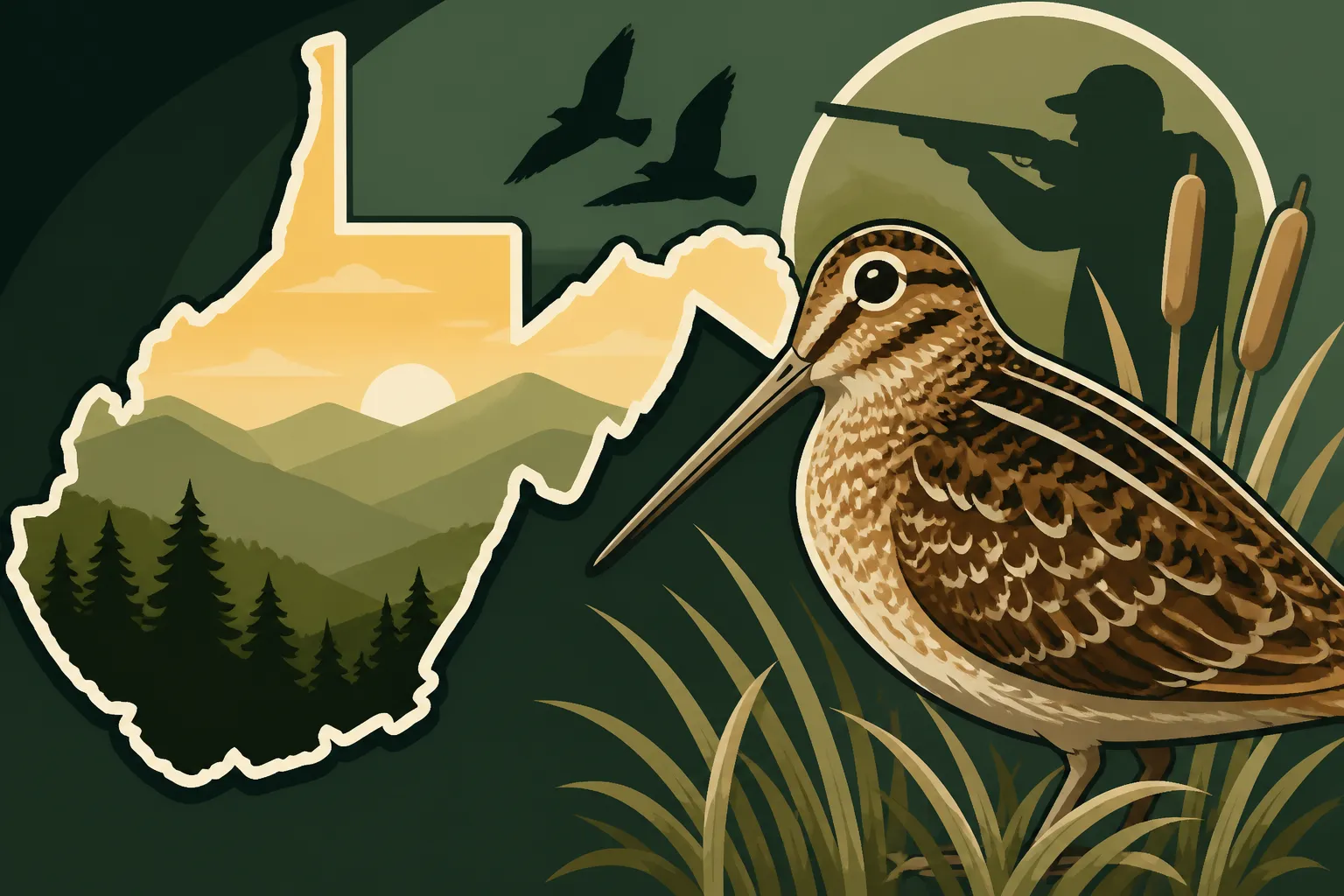
West Virginia Snipe Season Dates
It can feel like a wild goose chase trying to pin down the specific hunting season dates for every single game species in West Virginia, especially for those less common or more specialized pursuits. You're trying to plan your fall outings, but finding concrete information for something like snipe can be surprisingly difficult amidst all the deer and turkey talk. This guide is here to cut through the confusion, laying out everything you need to know about West Virginia's snipe season dates, regulations, and even a few tips for pursuing these fast-flying targets.
Understanding West Virginia's Snipe Season Framework
When you think of hunting in West Virginia, often your mind goes straight to big bucks roaming the ridges or gobblers echoing through the hollers. But for those in the know, the Mountain State offers a unique challenge with migratory game birds like the common snipe. These small, elusive birds provide an exhilarating hunt that’s a world apart from sitting in a treestand.
The Elusive Nature of Snipe Hunting
Snipe hunting isn't your everyday affair, and that's precisely why a dedicated few pursue them with such passion. Unlike the big-game hunts that dominate conversations around West Virginia deer camps, chasing snipe is a highly active, often wet, and always challenging endeavor. These birds are master camouflagers, blending seamlessly into their marshy, damp habitats until they explode into the air with a dizzying, zigzagging flight pattern that tests even the most seasoned wingshooter. It's a hunt that demands keen eyes, quick reflexes, and often a good dog to help locate downed birds in dense cover. The thrill isn't just in the shot, but in the chase, the immersion in unique wetland environments, and the satisfaction of outsmarting such a wary opponent.
Annual Season Dates and Regulatory Cycles
West Virginia's snipe season, like all migratory bird seasons, operates within a framework set by the U.S. Fish and Wildlife Service, but the specific dates are then tailored and published by the West Virginia Division of Natural Resources (WVDNR). This means that while the general timing tends to be consistent year after year, the exact opening and closing dates can shift slightly based on federal guidelines and state management goals.
Typically, you can expect West Virginia's common snipe season to be split into two distinct periods. The first segment often opens in mid-October and runs through mid-November, coinciding with cooler weather and the peak of fall migration. After a brief closure, a second segment usually reopens in mid-December and continues into late January. This split season offers hunters a couple of bites at the apple, allowing them to target both early migrators and later birds that might be pushed south by harsher winter conditions further north. It's crucial to check the most current WVDNR hunting regulations pamphlet or their official website each year, as these dates are finalized annually. Many hunters find resources like the GoHunt app incredibly useful for quick access to these updated regulations right from their phone in the field.
Key Details and Regulations for Snipe Hunters
Before you even think about lacing up your waterproof boots and heading out to those soggy fields, it's absolutely vital to understand the specific rules that govern snipe hunting in West Virginia. Just like any other game, there are strict regulations regarding how many birds you can harvest, what licenses you need, and even when and where you can shoot. Ignoring these details can quickly turn an exciting day afield into a frustrating encounter with a game warden.
Bag Limits and Possession Limits
The WVDNR sets clear bag limits to ensure sustainable hunting practices for migratory birds like snipe. For common snipe in West Virginia, the daily bag limit is typically 8 birds. This means that in any single day of hunting, you cannot harvest more than eight snipe. Beyond the daily limit, there's also a possession limit, which dictates the maximum number of snipe you can have in your possession at any given time, whether in the field, at home, or in transit. The possession limit for snipe is generally 24 birds, which is three times the daily bag limit. It's important to remember that this includes birds you've already harvested and processed. So, if you've got a freezer full of snipe from previous successful hunts, make sure you're not exceeding that total possession limit when you head out again. Always double-check the current year's regulations to confirm these numbers, as they can occasionally change.
Required Licenses and Stamps
Hunting snipe in West Virginia requires more than just a general hunting license; there are specific migratory bird endorsements you need to acquire. First and foremost, you'll need a valid West Virginia hunting license appropriate for your residency status. For residents, this might be a Class A or Class X license. Non-residents will need a suitable West Virginia Nonresident Annual License Cost.
Beyond the base license, every migratory bird hunter in the state, regardless of age, must obtain a Migratory Bird Harvest Information Program (HIP) certification. This is a federal requirement, not just a state one. When you register for HIP, you're essentially providing information to the U.S. Fish and Wildlife Service about your hunting activity for migratory birds, which helps them collect vital harvest data for population management. It's usually a quick, free process that you can complete when purchasing your license.
It's a common misconception that you might also need a Federal Duck Stamp for snipe. While the Federal Duck Stamp is mandatory for hunting migratory waterfowl (ducks, geese, swans), it is not required for hunting snipe. However, if you plan to hunt ducks or geese on the same outing, you absolutely will need that Federal Duck Stamp. You can usually purchase all your necessary licenses and the HIP certification through the Go Wild West Virginia online system or at authorized license vendors.
Legal Shooting Hours and Equipment
Just like deer hunting, there are specific legal shooting hours for migratory birds, including snipe, in West Virginia. Generally, hunting migratory game birds is permitted from one-half hour before sunrise until sunset. This window ensures fair chase and provides a consistent opportunity for hunters while aligning with wildlife management principles. It's always a good idea to check a local sunrise/sunset table or a hunting app like GoHunt for precise times on the day you plan to hunt.
When it comes to equipment, shotguns are the weapon of choice for snipe. Any shotgun, 10-gauge or smaller, is legal, provided it is plugged to limit its capacity to no more than three shells (one in the chamber, two in the magazine). This is a federal rule for all migratory game bird hunting. As for shot size, smaller shot, such as #7.5 or #8, is typically preferred for snipe due to their small size and dense feathering. These smaller pellets provide a denser pattern, increasing your chances of connecting with such a fast, erratic target.
A common question that comes up with migratory birds is about non-toxic shot. For snipe, non-toxic shot is generally NOT required unless you are hunting on a specific Wildlife Management Area (WMA) or federal property that has its own blanket non-toxic shot rule for all hunting, or if you are hunting snipe and waterfowl simultaneously and waterfowl regulations apply. Always check the regulations for the specific area you plan to hunt to be absolutely certain. It's good practice, however, to consider using non-toxic shot regardless, as it's better for the environment.
| Season Dates | Daily Bag Limit | Possession Limit | Required Licenses/Stamps |
|---|---|---|---|
| Mid-October to Mid-November | 8 Birds | 24 Birds | WV Hunting License (Resident/Non-Resident) |
| Mid-December to Late January | Migratory Bird Harvest Information Program (HIP) Certification | ||
| (Federal Duck Stamp NOT required for snipe only) |
Prime Habitat and Tactics for West Virginia Snipe
Now that you've got the regulations down, let's talk about the exciting part: finding these elusive birds and bringing them to hand. Snipe are not found everywhere, and understanding their preferred habitat is the first crucial step to a successful hunt. Once you know where to look, you can employ tactics designed to intercept their blistering flight.
Identifying Snipe Habitat in the Mountain State
Snipe are lovers of all things wet, muddy, and a bit overgrown. Forget the high, dry ridges where you might find deer; for snipe, you need to head to the low-lying, damp areas. Think wet meadows, marshy edges along creeks and rivers, flooded fields (especially after heavy rains), and the muddy fringes of ponds and shallow wetlands. They thrive in areas with soft, probe-able ground where they can use their long bills to find invertebrates, their primary food source.
In West Virginia, this means targeting certain types of terrain. The broader river bottoms of the Ohio River Valley, for example, with their agricultural fields and adjacent drainages, can be prime snipe territory. Similarly, the lower sections of some of our Wildlife Management Areas, particularly those with beaver activity or naturally marshy expanses, can hold good numbers of birds. Look for areas with sparse, short vegetation in and around standing water or very damp soil. These are migratory birds, so their presence can be somewhat transient, influenced by weather fronts and food availability. Using online mapping tools like those available through GoHunt or even the Scouting With the WVDNR App can help you pinpoint these promising low-lying, wet areas before you even step foot outside. You're essentially looking for pockets of land that are too wet for most farming, but not deep enough to be considered open water.
Effective Hunting Strategies for Snipe
Hunting snipe is a classic walk-and-flush wingshooting experience. The most common and often most effective strategy is simply to walk slowly and deliberately through suitable habitat. Snipe will typically hold tight, camouflaged amongst the vegetation, until you are almost on top of them. That's when they'll suddenly spring into the air with their distinctive "scaip!" call, flying in an incredibly erratic, zig-zag pattern that makes them notoriously difficult to hit.
Patience and readiness are key. You need to be prepared for an immediate shot the moment a bird flushes. Many hunters find that a good bird dog, particularly a flushing breed like a springer spaniel or a Labrador retriever, can be invaluable. A dog not only helps flush birds that might otherwise be overlooked but also aids tremendously in locating downed birds in thick, muddy cover, which can be surprisingly challenging.
For human-powered hunts, walking in a zig-zag pattern yourself can sometimes help stir up birds. Always remember to hunt with the wind at your back if possible; snipe often flush into the wind, giving you a slightly slower, more predictable shot. Wearing waterproof boots or even waders is almost a necessity, as you'll be slogging through muddy, wet conditions. It's a physically demanding hunt, covering a lot of ground, but the rapid-fire action and the challenge make it incredibly rewarding.
Preparing for a Successful Snipe Hunt
A successful snipe hunt isn't just about showing up on opening day with a shotgun. Like any specialized hunting pursuit, it requires thoughtful preparation, from scouting the right locations to ensuring you're prioritizing safety afield. A little planning goes a long way, especially when you're targeting a bird that can be as elusive as the snipe.
Pre-Season Scouting and Planning
Scouting for snipe is a bit different from scouting for deer. You're not looking for rub lines or scrapes, but rather for prime habitat that will hold these migratory birds. Before the season opens, take some time to explore those wet meadows, marshy creek bottoms, and flooded agricultural fields that you've identified as potential hot spots. Look for signs of snipe activity, which can be subtle. The most tell-tale sign is their "probe holes" in the mud – small, distinct holes where they've used their long bills to search for food. If you find these, you know snipe have been using the area.
Weather patterns play a significant role in snipe migration and where they concentrate. A good cold front to our north can push birds down into West Virginia, while prolonged dry spells can dry up key habitats, forcing birds to move on. Keep an eye on regional weather forecasts. Utilizing detailed topographic maps, satellite imagery, or hunting apps, such as the ones available through GoHunt or the Using the Go Wild West Virginia Map Tool, can highlight subtle depressions, drainage patterns, and areas prone to holding water. This kind of digital scouting can save you a lot of legwork by narrowing down potential public lands or WMA sections where you're more likely to find the ideal wet conditions. Knowing your access points and potential routes to these areas, especially on larger tracts of Public Hunting Land in West Virginia, is crucial.
Safety Considerations and Ethics
Any time you head afield with a firearm, safety must be your top priority. For snipe hunting, where birds can flush unexpectedly and often erratically, heightened awareness is essential. Always maintain strict muzzle control, knowing precisely where your barrel is pointed, especially when walking through dense cover with others. Be absolutely certain of your target and what lies beyond it before taking a shot, as the low-lying nature of snipe habitat might mean less visibility in some directions. Wearing some blaze orange, while not always required for migratory bird hunting, is always a wise choice, particularly if hunting in areas that might also see activity from hunters pursuing other game during overlapping seasons. You can check West Virginia Blaze Orange Requirements for general guidelines.
Ethical hunting practices extend to respecting land ownership. If you're considering hunting on private land, ensure you have explicit permission from the landowner. West Virginia has clear Do You Need Written Permission in West Virginia? rules. Furthermore, proper game identification is paramount. Snipe can sometimes be confused with other shorebirds or small migratory species that are not legal to hunt or are protected. Familiarize yourself with the common snipe's distinctive features and flight pattern to avoid misidentification. Carrying a good bird identification guide or using an app can be a useful tool. Remember, the goal is a responsible, enjoyable hunt that respects both wildlife and landowners.
Important Disclaimer
Hunting regulations and season dates can change annually. While this guide provides general information, always refer to the most current West Virginia Hunting and Trapping Regulations synopsis published by the West Virginia Division of Natural Resources (WVDNR) or visit their official website before heading afield. It is the hunter's responsibility to know and follow all applicable laws.