Where Nontoxic Shot Is Required in West Virginia
There's often a lot of confusion buzzing around hunting regulations, and honestly, the rules about nontoxic shot can feel like navigating a dense patch of rhododendron in the dark. Many West Virginia hunters find themselves scratching their heads, wondering if that box of traditional lead shot is legal for their duck hunt, or if they need to invest in something different. This guide is here to clear the air, breaking down exactly where nontoxic shot is required in our beautiful state, helping you stay legal, ethical, and ready for your next adventure.
The Federal Mandate: Waterfowl and Migratory Birds
Let's start with the big one, the overarching rule that impacts every waterfowl hunter across the country, including right here in West Virginia. The requirement for nontoxic shot when hunting waterfowl and certain migratory birds isn't a state-specific quirk; it's a federal law. This regulation has been in place for decades, and it's something every duck and goose hunter absolutely must understand.
The Environmental Rationale for Nontoxic Shot
The reason behind this federal mandate is deeply rooted in environmental conservation, specifically concerning the health of our wetlands and the birds that rely on them. For generations, lead shot was the standard, cheap, and effective. However, when lead shot settles into the bottom of marshes, ponds, and riverbeds, it doesn't just disappear. Waterfowl, particularly dabbling ducks, can accidentally ingest these spent pellets while feeding. Their digestive systems, designed to grind up tough plant matter and grit, are incredibly efficient at breaking down lead, releasing toxins into their bodies.
This lead poisoning can be devastating. Birds become lethargic, lose their appetite, and ultimately can die a slow, painful death. It's not just the direct ingestion from feeding; scavengers like bald eagles can also suffer secondary poisoning by eating waterfowl that have ingested lead. So, while it might feel like an extra hassle or expense to switch to nontoxic shot, it's truly about protecting the very wildlife we cherish and the delicate ecosystems they inhabit. It's a critical step to ensure healthy populations for future generations of hunters and wildlife enthusiasts.
What Species Are Covered Under Federal Law
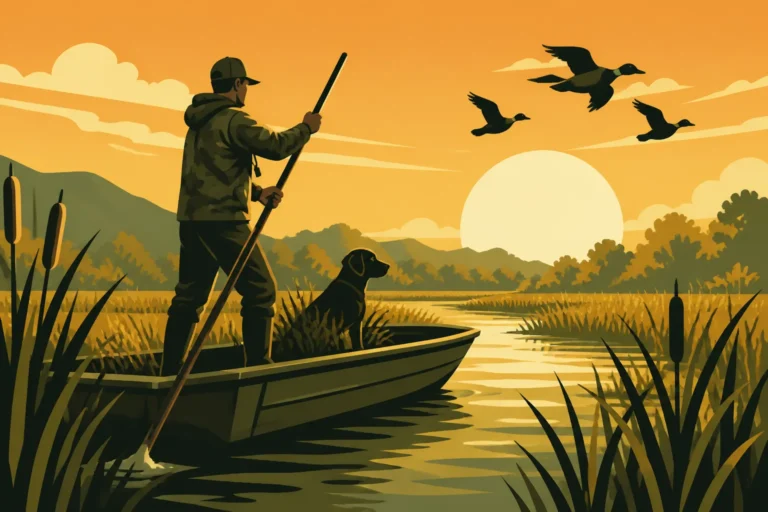
The federal regulation for nontoxic shot primarily targets waterfowl, which includes all species of ducks, geese, and swans. So, if you're out chasing mallards on the Ohio River, calling in Canada geese over a cut cornfield in the Eastern Panhandle, or trying to intercept wood ducks along a creek bottom, you must use nontoxic shot. It’s not an option; it’s the law.
Beyond waterfowl, the federal rules also extend to certain migratory birds within specific areas. While the general upland bird hunter targeting grouse or quail doesn't face this requirement, those pursuing other migratory species often do, particularly if hunting on federal lands. It's essential to consult the latest regulations for species like rails, snipe, and coots, as these may also fall under the nontoxic umbrella. Always double-check your annual West Virginia hunting regulations manual or use resources like the GoHunt platform to confirm species-specific requirements. This ensures you're fully compliant, whether you're planning for West Virginia Duck Season Dates or West Virginia Goose Season Dates.
Practical Implications for Your Waterfowl Hunt
For hunters, the federal mandate means that before you even step foot in a blind or wade into a marsh for ducks or geese, you need to ensure your shotgun is loaded with legal nontoxic ammunition. This has several practical implications. First, it means being aware of your ammunition choices well in advance of the season. Don't wait until opening morning to realize you only have lead shot.
Second, it often means a different shooting experience. Nontoxic shot, especially steel, behaves differently than lead. Steel is lighter than lead for a given shot size, meaning it has a lower ballistic coefficient and sheds velocity faster. This means you might need to adjust your choke selection, shot size, and lead on birds to maintain effective patterns and clean kills. Many hunters find that a more open choke, like a modified or even improved cylinder, patterns steel shot better than the tighter full chokes traditionally used with lead. Taking the time to pattern your shotgun with your chosen nontoxic loads before the season is absolutely crucial for success and ethical hunting. You wouldn't go into a deer season without zeroing your rifle, so don't head into waterfowl season without patterning your shotgun.
West Virginia's Specific Nontoxic Shot Rules
While the federal regulations cover waterfowl universally, it’s always smart to understand if West Virginia has any additional, state-specific requirements for nontoxic shot that go beyond the federal mandate. Sometimes, states will expand these rules to other game species or specific hunting areas due to local conservation efforts or ecological concerns.
Statewide Requirements Beyond Federal Law
As of now, West Virginia's statewide regulations for general upland hunting, such as for deer, bear, turkey, grouse, squirrels, or rabbits, do not mandate the use of nontoxic shot. If you're heading into the woods for West Virginia's Buck Gun Season or out for Squirrel and Small Game Hunting in West Virginia, your traditional lead ammunition for these species is generally permissible under state law. This is a common point of confusion, as the federal waterfowl rule can sometimes make hunters wonder if all hunting requires nontoxic shot.
However, the conversation around lead ammunition and its environmental impact is ongoing, and regulations can change. It's not uncommon for states to consider or implement lead-free zones or requirements for other species, especially where lead fragments might impact scavengers or sensitive environments. Therefore, it is paramount that every hunter consults the most current West Virginia Hunting and Trapping Regulations Summary each year. You can usually find this document on the West Virginia Division of Natural Resources (WVDNR) website, or by picking up a physical copy wherever licenses are sold. Staying informed ensures you're always hunting within the letter of the law.
Wildlife Management Areas and Special Regulations
This is where things can get a little more nuanced. While statewide rules might not always extend nontoxic shot requirements beyond waterfowl, individual Wildlife Management Areas (WMAs) or other specific public lands in West Virginia might have their own, more restrictive rules. These special regulations are often implemented to protect local ecosystems, reduce lead exposure in specific habitats, or align with management goals for particular species.
For example, a WMA that is heavily managed for waterfowl might expand the nontoxic shot rule to include all hunting activities within a certain wetland boundary, or perhaps for specific upland game species that are found in close proximity to water. It's not a universal application, which means you can't assume. Before you plan a hunt on any WMA, especially for species other than waterfowl, you absolutely must check the specific regulations for that particular area. The WVDNR provides detailed information for each WMA, and platforms like GoHunt can often offer insights and mapping tools to help you identify these specific zones and rules. Always look for signage at WMA entrances or check the WVDNR website's WMA-specific rules section. Neglecting this step could lead to an unfortunate run-in with a conservation officer, and nobody wants that. Remember, if you're hitting up a WMA, understanding the West Virginia WMA Permit Requirement is just as important as knowing your shot.
Understanding Nontoxic Shot for Other Game Species
While not currently mandated for most upland game in West Virginia, it's worth taking a moment to consider the broader implications and potential future trends regarding nontoxic shot for other species. Many hunters, even where not required, are voluntarily making the switch to lead-free ammunition for deer, bear, and other game. This is often driven by a personal commitment to environmental stewardship and a desire to minimize lead exposure in the food chain, especially for game meat destined for the dinner table.
The debate and research around lead fragmentation from rifle bullets and its impact on scavengers, or the potential for tiny lead particles in processed game meat, are topics gaining more attention. While West Virginia hasn't moved to mandate nontoxic rifle bullets or upland bird shot, staying aware of these discussions and considering nontoxic options proactively can be a rewarding part of being a responsible hunter. There are excellent copper bullets available for deer and bear, and various nontoxic options for small game shotguns beyond just steel. As regulations evolve and as awareness grows, what is optional today might become standard practice in the future.
Navigating Nontoxic Shot Choices and Costs
Once you know where nontoxic shot is required, the next step is actually understanding what your options are and how to manage the added expense and performance characteristics. It's not just about "steel shot"; there's a whole world of alternatives out there, each with its own pros and cons.
Common Nontoxic Shot Materials and Their Characteristics
The world of nontoxic shot has come a long way since the early days of steel shot, which often left hunters frustrated with poor patterns and reduced killing power. Today, you have several viable options, each with different densities, costs, and performance attributes.
- Steel Shot: This is the most common and generally the most affordable nontoxic option. Steel is lighter than lead, which means to achieve similar energy and downrange performance, you often need to use larger shot sizes (e.g., #2 steel instead of #4 lead) or push the pellets at higher velocities. It's also very hard, so it can be tough on older, softer barrel shotguns (though modern guns are built to handle it). It requires careful choke selection, often performing best with more open chokes.
- Bismuth Shot: Bismuth is denser than steel and much closer to lead in density, meaning it retains energy better and offers performance more akin to lead shot. It's also softer than steel, making it safer for older shotguns and providing better energy transfer to the target. The downside is that bismuth is significantly more expensive than steel.
- Tungsten-Matrix (or Tungsten Blends): This category includes various alloys that combine tungsten with other materials. Tungsten is extremely dense – often much denser than lead – providing superior energy retention and knockdown power. These loads allow for smaller shot sizes with devastating effect. However, tungsten-based shots are typically the most expensive options on the market. They are often chosen for long-range goose hunting or for species like West Virginia Sniper Season Dates where maximum pellet energy is desired.
Here’s a quick comparison of common nontoxic shot types:
| Shot Type | Density (relative to lead) | Hardness | Cost (relative) | Common Uses | Notes |
|---|---|---|---|---|---|
| Lead | 1.0 (baseline) | Soft | Low | Upland, Deer slugs | Prohibited for waterfowl |
| Steel | ~0.7 | Hard | Medium | Waterfowl (common) | Requires larger shot size, open chokes |
| Bismuth | ~0.9 | Soft-Medium | High | Waterfowl, Upland | Good for older guns, better energy |
| Tungsten-Iron | ~1.1 | Hard | Very High | Waterfowl (long range) | Excellent energy, premium choice |
| Tungsten-Polymer | ~1.2 | Soft | Very High | Waterfowl (premium) | Similar to lead in feel, very effective |
Cost Considerations and Availability
Let's be real: the cost of nontoxic shot can be a bit of a shock, especially if you're used to picking up boxes of cheap lead loads. Steel shot, being the most common, is the most affordable of the nontoxic options, but still typically costs more per box than lead. Bismuth and especially tungsten-based loads are significantly more expensive, sometimes costing several times as much as lead shells.
This increased cost can certainly be a frustration for hunters, particularly those who hunt frequently or need a lot of shells for a season. It might mean adjusting your budget for hunting supplies or becoming a more disciplined shooter, making every shot count.
Availability can also be a factor, though it's much less of an issue than it used to be. Most major sporting goods stores and even many smaller rural shops in West Virginia will carry a good selection of steel shot. Bismuth and tungsten loads might be a bit harder to find in every small town, sometimes requiring a trip to a larger retailer or ordering online. Planning ahead and stocking up before the season starts is always a good strategy to avoid last-minute scrambles. You can also use resources like GoHunt to find retailers or online suppliers that stock various types of ammunition.
Patterning Your Shotgun for Nontoxic Loads
This cannot be stressed enough: you must pattern your shotgun with nontoxic loads. Simply swapping out lead for steel of the same size and heading afield is a recipe for frustration and potentially wounded birds. Different shot materials, shot sizes, and even different brands of ammunition will pattern differently through your specific shotgun and choke combination.
Patterning involves shooting at large sheets of paper at various distances (e.g., 20, 30, 40 yards) to see how your chosen load distributes its pellets. You're looking for an even distribution of pellets with sufficient density to ensure a clean kill on a target the size of the game you're pursuing. Steel shot often performs best with more open chokes (Modified or Improved Cylinder) compared to lead, because of its hardness and tendency to deform less. Bismuth and tungsten, being softer and denser, tend to pattern more like lead, allowing for slightly tighter chokes.
Taking the time to do this before the season starts will build your confidence, improve your shooting, and ensure you're making ethical shots on game. Don't skip this crucial step!
Best Practices for Ethical Hunting and Compliance
Hunting in West Virginia is a privilege, and with that comes the responsibility of understanding and adhering to all regulations. When it comes to nontoxic shot, a little bit of proactive effort goes a long way in ensuring you're compliant and contributing to the health of our natural resources.
Doubling Checking Regulations Before You Hunt
As a veteran hunter, I can tell you that the regulations can and do change. What was legal last year might not be this year, and what applies in one county might be different in another, or even on a specific WMA. This is particularly true for migratory birds and special hunting areas.
Before every hunting season, make it an absolute ritual to obtain and thoroughly read the current West Virginia Hunting and Trapping Regulations Summary. This document is your bible for the season. Pay close attention to sections on migratory bird hunting, waterfowl regulations, and any WMA-specific rules. Don't rely on what your buddy "heard" or what you "think" the rules are. The WVDNR website is an excellent, up-to-date resource, and dedicated hunting apps can help keep you informed as well. Always consult the official sources for the most accurate and current information. For specific areas, review information on Hunting Potomac Highlands Public Land or Hunting Ohio River Valley Bottomland to check if there are unique regulations in those areas.
Embracing the Shift to Nontoxic Ammunition
While the federal mandate for waterfowl is decades old, the broader conversation about lead-free hunting continues to grow. For many hunters, the shift to nontoxic ammunition for all game, even where not required, has become a personal choice rooted in a deep respect for wildlife and the environment. It's about minimizing our footprint and ensuring we leave our hunting grounds better than we found them.
Embracing nontoxic options, whether steel, bismuth, or copper bullets, shows a forward-thinking approach to conservation. It demonstrates that hunters are committed to adapting and evolving their practices to align with the best available science and ethical considerations. It might require learning new ballistics, patterning your gun differently, or spending a bit more on ammunition, but the peace of mind knowing you're doing everything you can to protect the environment and provide clean game meat is often worth it. Consider looking into resources for Waterfowl Gear for Ohio River Bottoms which often highlight specific nontoxic options.
Local Resources and Hunter Education
If you're still feeling a bit overwhelmed by the nuances of nontoxic shot, remember that there are plenty of resources available to help you. The West Virginia Division of Natural Resources (WVDNR) district offices can answer specific questions about regulations in your area. Local sporting goods stores, especially those frequented by serious waterfowl hunters, can often provide advice on specific loads and chokes that perform well. Many shooting ranges also offer facilities where you can pattern your shotgun and get assistance from experienced staff.
Additionally, consider taking a refresher course in hunter education. While not specifically focused on nontoxic shot, these courses emphasize ethical hunting, responsible firearms handling, and the importance of understanding and complying with all regulations. Knowledge is power, and being well-informed ensures you can enjoy your West Virginia hunting experiences safely, legally, and ethically. Using tools like the GoHunt app for mapping and regulation lookup can further enhance your preparedness for any hunting trip in the Mountain State.
Disclaimer
This article is for general informational purposes only and does not constitute professional advice. Laws, prices and regulations vary by location and change over time. Consult a qualified professional for guidance on your specific situation.