West Virginia Woodcock Singing Ground Surveys
Ever felt like West Virginia's woodcock are a bit like phantoms of the forest, here one day and gone the next? Trying to understand their movements and populations can be a real head-scratcher for hunters who cherish chasing these migratory marvels. This guide is all about West Virginia's Woodcock Singing Ground Surveys, helping you understand how these birds are monitored, why it matters, and what it means for your future timberdoodle pursuits.
The Mysterious American Woodcock and Its Nightly Ballet
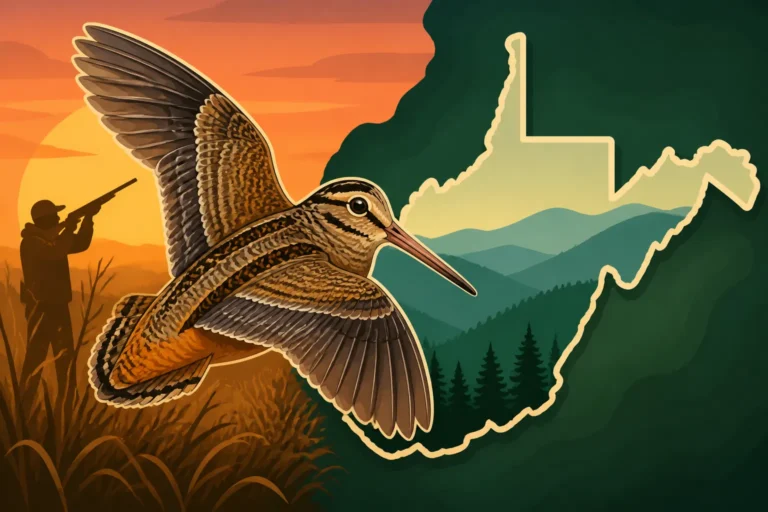
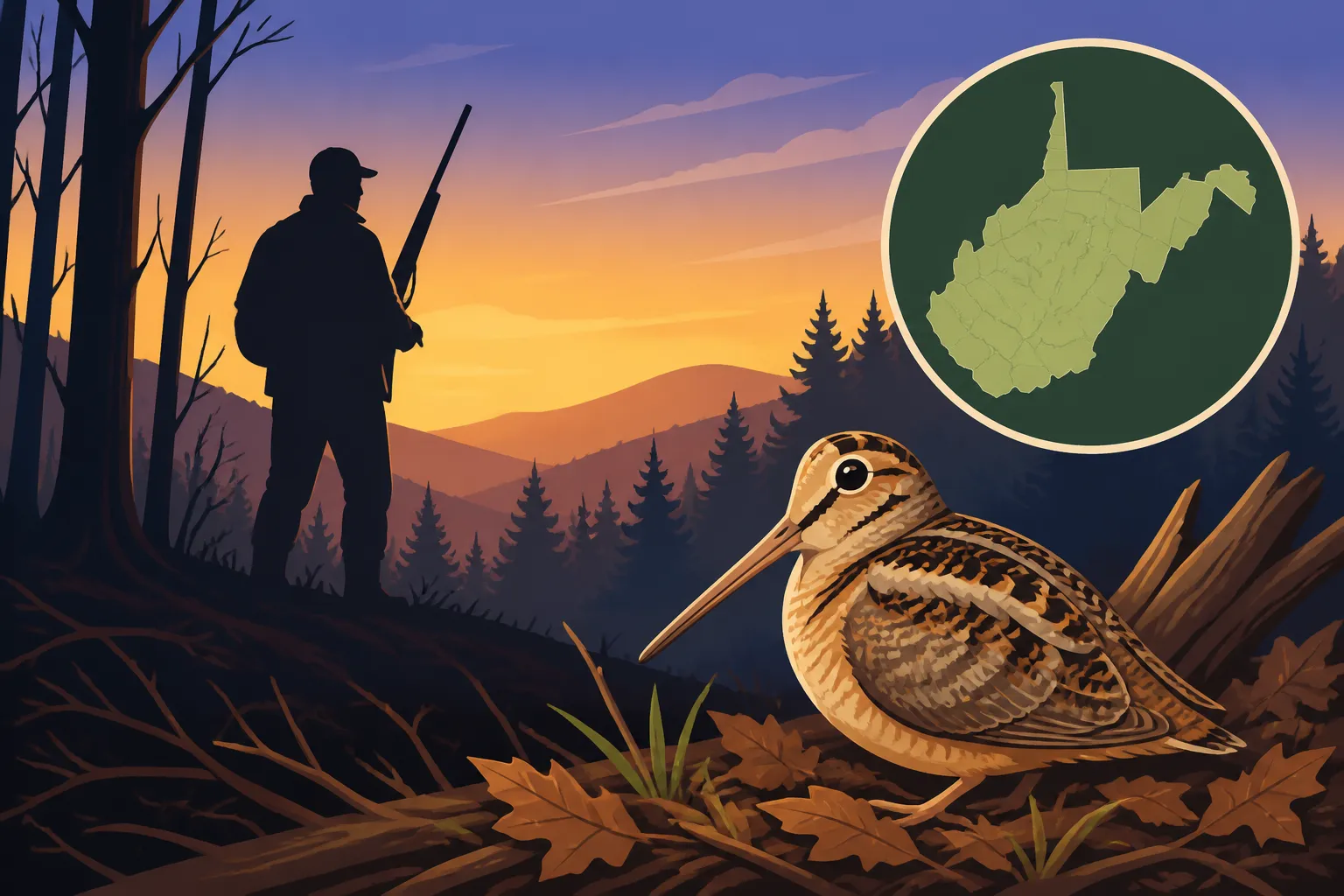
The American Woodcock, often affectionately called a "timberdoodle" or "bogsucker," is one of those unique migratory birds that captures the imagination of anyone who has spent time in their dense, wet cover. They're built for life in the thick stuff, with long bills perfect for probing soft earth for worms, and plumage that makes them practically invisible in the leaf litter. But what truly sets them apart, especially in the spring, is their incredible courtship display – the "singing ground" ritual.
As dusk settles over the West Virginia hills, usually starting in late March and continuing through April, male woodcock embark on an aerial ballet designed to attract females. They start on the ground, making a distinctive "peent" call, sometimes described as a nasal buzz. Then, they rocket skyward in a spiraling flight, their wings making a unique whistling sound, before descending in an erratic, tumbling flight, singing a gurgling, warbling song as they fall back to earth. They land near where they started, often in a small opening or field edge, and the whole show begins again. It’s an unforgettable sight and sound if you’re lucky enough to witness it. This ritual, however, is more than just a beautiful display; it’s also the key to how biologists in West Virginia monitor their populations.
Why Woodcock Need Specific Surveys
Unlike many game birds that might be seen in flocks or are more vocal during the day, woodcock are solitary, nocturnal for much of their activity, and incredibly camouflaged. Trying to count them by walking through cover during the day would be a near-impossible task. Their "singing ground" behavior, however, provides a predictable and audible window into their numbers. Each displaying male establishes a specific area, a "singing ground," where he performs his nightly ritual. By counting these active singing grounds along established routes, biologists can get an index of the breeding population. This index, while not an absolute count of every single bird, helps track population trends over time, which is invaluable for setting West Virginia Grouse and Woodcock Season Rules and managing habitat. Without these dedicated surveys, we’d be flying blind when it comes to understanding the health of our woodcock population.
The Science Behind West Virginia's Singing Ground Surveys
So, how exactly do wildlife biologists in West Virginia go about counting these secretive birds during their nocturnal performances? It’s a pretty well-organized effort that’s part of a larger, continent-wide survey program coordinated by the U.S. Fish and Wildlife Service. The methodology is precise, designed to ensure consistency across states and over many years, allowing for reliable trend analysis. This isn't just a casual stroll through the woods; it’s a scientific undertaking with specific protocols.
Survey Routes and Listening Stations
West Virginia has a network of established survey routes, typically located in areas known to have suitable woodcock habitat. These routes are usually rural roads or logging trails that allow biologists to drive slowly and stop at designated listening stations. Each route consists of ten stops, spaced at specific intervals, often 0.4 miles apart. At each stop, the surveyor gets out, turns off their vehicle, and listens intently for the "peent" calls and flight songs of male woodcock for a set period, usually two minutes. They record every male they hear displaying. The timing of these surveys is crucial; they need to coincide with the peak of woodcock breeding activity, which is typically in April across much of West Virginia.
The beauty of this standardized approach is that it minimizes variables. By using the same routes, the same listening protocols, and conducting surveys at the same time of year, year after year, the data collected can be directly compared. This allows the West Virginia Division of Natural Resources (WVDNR) to contribute to a larger regional and national picture of woodcock populations, understanding not just what’s happening in our state, but how it fits into the broader West Virginia's Place on the Woodcock Flight and the species' overall migration patterns.
Timing and Environmental Factors
Executing these surveys isn't as simple as just picking a night. Weather conditions play a huge role. Woodcock are less likely to display in heavy wind, rain, or extremely cold temperatures. Surveyors must select calm, clear evenings for their routes, and the surveys usually begin about 20-30 minutes after sunset, when the birds are most active in their courtship displays. The moon phase can also play a role, with some research suggesting more activity during brighter nights, though standard protocols primarily focus on wind and precipitation.
Biologists conduct these surveys not just once, but often multiple times during the peak season to ensure they capture a representative sample of activity. This effort is labor-intensive and requires dedicated personnel, often working outside of normal daylight hours, showcasing the commitment to understanding and conserving this fascinating species. The data collected from these routes, including the number of individual "peents" and full flight displays heard, is then compiled and analyzed to determine population trends.
Why These Surveys Matter for West Virginia Hunters and Conservation
For those of us who love the challenge and unique experience of Grouse and Woodcock Hunting in West Virginia, these singing ground surveys are incredibly important. They're not just some academic exercise; they directly inform the decisions made about hunting regulations and habitat management, shaping the future of woodcock hunting in our state.
Informing Season Dates and Bag Limits
The primary reason these surveys are conducted is to gather data that helps wildlife agencies like the WVDNR manage migratory bird populations sustainably. Woodcock are a federally managed migratory game bird, meaning the U.S. Fish and Wildlife Service, in consultation with state agencies, sets frameworks for seasons and bag limits. The singing ground survey data is a crucial component of this process. If survey data shows a decline in woodcock populations over several years, it might trigger discussions about adjusting season lengths or bag limits to reduce harvest pressure. Conversely, stable or increasing populations provide confidence that current regulations are sustainable.
Understanding these trends also helps us appreciate the health of the broader ecosystem. Woodcock are an "indicator species," meaning their health often reflects the health of the early successional forest habitats they rely on. A decline in woodcock can signal habitat loss or degradation that affects many other species too. For hunters, knowing these trends can temper expectations or highlight areas where conservation efforts are most needed. While you might use a tool like GoHunt to scout for promising cover, understanding the broader population health through these surveys adds a vital layer of context.
Identifying Habitat Needs and Conservation Priorities
Beyond regulations, the survey data helps identify critical habitat areas and prioritize conservation efforts. If certain survey routes consistently show high numbers of woodcock, it highlights those areas as important breeding grounds. This information can then be used to guide habitat management initiatives, such as promoting early successional forests—young, dense woodlands that woodcock thrive in. These habitats are often created by timber harvests or prescribed burns.
| Survey Aspect | Description | Why it Matters for Hunters & Conservation |
|---|---|---|
| Timing | Conducted during April evenings, 20-30 minutes after sunset. | Ensures peak male courtship activity is captured, providing a consistent population index. |
| Routes | Ten fixed listening stops, 0.4 miles apart, along rural roads in suitable habitat. | Standardized locations allow for year-to-year comparison and trend analysis. |
| Conditions | Must be calm, clear nights with minimal wind or precipitation. | Reduces environmental variables that could suppress woodcock display activity. |
| Data Collected | Number of "peent" calls and flight displays from male woodcock heard at each stop. | Provides an index of the breeding population, not an exact count. |
| Significance | Contributes to regional and national population trend analyses. | Informs federal and state regulations (seasons, bag limits) and identifies critical habitat for management. |
Many hunters understand that active forest management is key to healthy game populations. When you see efforts to create or maintain young forest patches, whether it's by the WVDNR or private landowners, know that these actions often benefit woodcock directly. This means better cover for Finding Woodcock in Alder Runs and overall improved conditions for these birds to breed and raise their broods. The surveys are a constant pulse check on whether these efforts are working.
How West Virginia Hunters Can Help Preserve Timberdoodles
While the professional biologists handle the official singing ground surveys, hunters are incredibly valuable allies in woodcock conservation. Our time in the field gives us unique insights, and our observations can supplement official data, helping to build a more complete picture of what's happening on the ground in West Virginia.
Reporting Observations and Citizen Science
One of the simplest ways hunters can help is by reporting their own woodcock observations. If you’re out in the woods in late March or April, perhaps scouting for turkey or shed hunting, and you hear a male woodcock peenting or see its aerial display, make a note of it. Jot down the date, time, and general location (GPS coordinates are even better!). While there might not be a formal "citizen science" app specifically for woodcock singing grounds in West Virginia, contacting your local WVDNR biologist can often provide an avenue for sharing this valuable anecdotal information. These observations, especially if they occur outside of known survey routes or in new areas, can sometimes lead biologists to new pockets of activity.
Think of it like being an extra set of eyes and ears. Every bit of information helps. Maybe you're using a scouting app like GoHunt to mark potential woodcock cover; if you hear or see birds there, marking it for future reference and sharing that insight can contribute to a larger understanding. Scouting West Virginia Public Land Before Season isn't just for deer and turkey; paying attention to other wildlife helps everyone.
Supporting Habitat Conservation Efforts
Perhaps the most impactful way hunters can contribute to woodcock conservation is by supporting habitat management. Woodcock thrive in young, regenerating forests – areas often created by timber harvesting, prescribed burns, or even old farm fields reverting to brush. These are often the same habitats that benefit ruffed grouse, rabbits, and many other songbirds.
- Financial Contributions: When you purchase your West Virginia Hunting Licenses and What They Cost and various stamps, a portion of those funds goes directly to wildlife management and habitat conservation. This is crucial for funding the WVDNR’s work.
- Advocacy: Speak up about the importance of active forest management. Educate fellow hunters and non-hunters about the benefits of early successional habitat. Many people misunderstand clear-cutting, for example, but it's a vital tool for creating the dense, young cover woodcock need.
- Direct Action: If you’re a landowner, consider managing a portion of your property for early successional habitat. Even small patches of alder thickets or young regenerating hardwoods can provide valuable cover. There are often state and federal programs that can offer technical assistance and even financial incentives for habitat improvement.
By understanding the woodcock's needs and the work that goes into monitoring them through singing ground surveys, we can all become better stewards of this unique and cherished game bird. It's about ensuring that future generations of West Virginia hunters will continue to experience the thrill of a timberdoodle flushing from dense cover, and the magic of its twilight song.
Disclaimer
This article is for general informational purposes only and does not constitute professional advice. Laws, prices and regulations vary by location and change over time. Consult a qualified professional for guidance on your specific situation.