One-Week Fall Turkey County Rules
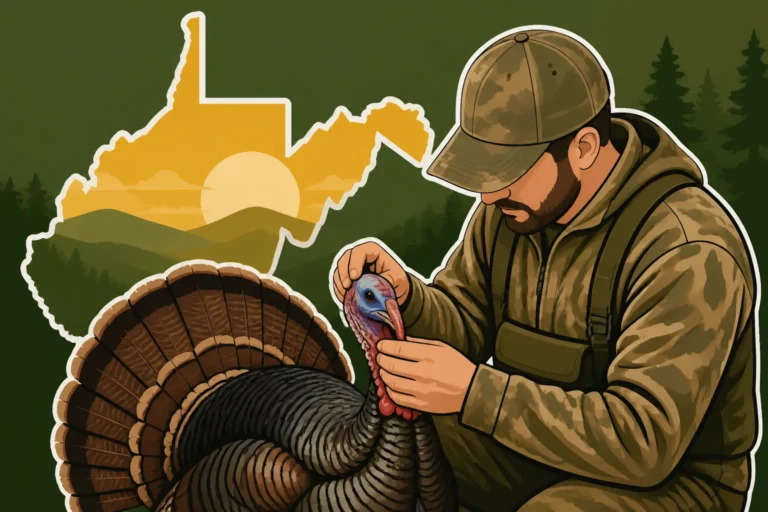
The crisp air of a West Virginia autumn often signals the start of deer season, but for many, it also means chasing fall turkeys. However, the diverse and sometimes confusing fall turkey regulations, especially the specific rules for those counties designated as "one-week," can be a real headache. It's frustrating to plan a hunt only to realize you've misunderstood the season length or bag limits. This comprehensive guide is here to untangle the complexities of West Virginia's one-week fall turkey county rules, ensuring you're prepared, legal, and ready for a successful hunt.
Understanding West Virginia's Fall Turkey Splits
West Virginia is a state known for its rugged beauty and abundant wildlife, and its wild turkey population is no exception. However, managing these magnificent birds effectively across such varied terrain and population densities requires a nuanced approach. This is why you'll find different fall turkey season lengths depending on which county you're hunting. It's not just to keep hunters on their toes; there's a real science and management strategy behind it.
The Rationale Behind Varying Season Lengths
The West Virginia Division of Natural Resources (WVDNR) carefully monitors turkey populations, taking into account factors like poult production (the number of young turkeys surviving), habitat quality, and historical harvest data. In some areas, turkey numbers are robust, supporting longer seasons. In others, perhaps due to less favorable nesting conditions, increased predation, or localized habitat loss, populations might be more delicate, necessitating shorter seasons to ensure sustainability. It’s all about maintaining a healthy, huntable population for future generations. For example, counties with lower poult-to-hen ratios might see shorter seasons to allow more birds to make it through the winter and reproduce in the spring.
Think of it this way: some parts of the state are turkey strongholds, while others are more marginal. The WVDNR uses these varying season lengths, often referred to as West Virginia Fall Turkey County Tiers, as a critical tool in their management toolbox. It's a localized conservation effort that directly impacts your hunting opportunities. Many hunters, especially those new to the state or traveling between different regions, often voice frustration over these changing rules, but understanding the biological reasons can help frame why these seemingly complex regulations are in place.
Identifying One-Week Counties
So, how do you know if your preferred hunting spot falls into the one-week category? The key is to consult the annual West Virginia Hunting and Trapping Regulations synopsis, readily available online through the WVDNR website or in print at most license agents. These regulations clearly list each county and its corresponding fall turkey season length. Additionally, many modern hunting apps like GoHunt offer digital maps and overlays that can quickly show you county boundaries and relevant season dates, making it easier than ever to confirm before you head out. It's always a good practice to double-check the current year's regulations, as county designations can occasionally shift based on the latest population assessments. Getting this information right is crucial, as hunting in a county with a one-week season during a period when it's closed is a direct violation, and no one wants to deal with that hassle.
| County Group | Season Length | Typical Dates (Consult WV DNR Annually) | Bag Limit |
|---|---|---|---|
| One-Week Counties | 1 Week | Late October (e.g., Oct 28 – Nov 3) | 1 Bird |
| Two-Week Counties | 2 Weeks | Early Nov – Mid-Nov | 1 Bird |
| Four-Week Counties | 4 Weeks | Early Nov – Early Dec | 1 Bird |
Note: Dates are illustrative and change annually. Always check the current West Virginia Hunting and Trapping Regulations for precise dates.
Key Regulations for One-Week Fall Turkey Hunting
Alright, now that we understand why these shorter seasons exist, let's dive into the nitty-gritty of the rules themselves. It's not just about knowing the dates; it's about understanding the specific parameters that govern your hunt in these particular counties. This attention to detail will keep you legal and focused on the hunt.
Season Dates and Bag Limits
For those counties designated with a one-week fall turkey season, the dates are typically fixed for a short window, often toward the end of October or very early November, though the exact timeframe can vary slightly year to year. It's an incredibly tight window, usually seven consecutive days. During this brief period, the statewide fall turkey bag limit applies: one bird. This means you can harvest one turkey, regardless of sex, during the entire fall season across all county tiers. If you tag a bird in a one-week county, your fall turkey season is over. This is critical to remember, especially if you also hunt in counties with longer seasons or move between them. The idea is to allow some harvest opportunity while protecting the local populations in areas that need a little more management. This single-bird limit, combined with the short season, really emphasizes the "opportunity" aspect of these hunts.
Legal Hunting Methods and Restrictions
West Virginia's fall turkey hunting regulations permit a variety of methods, but there are important distinctions to keep in mind, especially regarding weapons and calling. You can use shotguns (10 gauge or smaller, firing shot shells no larger than No. 4 lead or No. 2 steel), archery equipment (bows and crossbows), and muzzleloading shotguns. Rifles are generally prohibited for fall turkey hunting in West Virginia, unlike for deer in most areas. Electronic calls are also strictly forbidden. When it comes to calling, mimicking a gobbler is illegal in the fall; you must stick to hen and young turkey calls, which is fitting since you're typically trying to locate and call in flocks, not breeding males. Remember, the goal is often to "break up a flock" and then call scattered birds back in.
One other critical rule that often surprises new hunters is that Fall Turkey Tactics Where Sundays Are Closed. While some deer seasons allow Sunday hunting on private lands in certain counties, turkey hunting on Sundays is typically not permitted anywhere in West Virginia during the fall. Always verify the specific rules for your chosen county. Hunter orange requirements also apply; generally, during any firearm deer season overlap, hunters must wear at least 400 square inches of blaze orange. Given the timing, this often applies to fall turkey hunters as well. These requirements help ensure safety when multiple seasons are running concurrently, a common occurrence during the fall.
Strategies for Success in Shorter Seasons
A one-week season is short. You don't have the luxury of time to figure things out on the fly. This demands a more focused, intense approach. Think of it as a sprint, not a marathon. Every moment counts, and preparation becomes paramount.
Pre-Season Scouting and Reconnaissance
Given the incredibly tight window, pre-season scouting is not just helpful; it's absolutely essential for a successful one-week fall turkey hunt. You need to know where the birds are, what they're eating, and how they're moving before opening day. This means dedicating time in the weeks leading up to the season to get boots on the ground. Look for fresh turkey sign: tracks, droppings, and scratched-up areas where they've been feeding on acorns, beechnuts, or other mast crops. Listening for turkeys flying down off the roost at dawn or gobbling in the evenings can help you pinpoint active areas. If you're hunting public land, resources like the WVDNR's online maps or apps like GoHunt can help you identify potential food sources and travel corridors.
Consider setting up trail cameras in key locations, especially near consistent food sources or watering holes. This can give you invaluable intel on flock size, composition, and their daily patterns without disturbing them directly. Knowing exactly where the birds are roosting and feeding can save you precious hours during your actual hunt. Remember, your goal is to minimize searching during the season and maximize actual hunting time. A well-scouted area, even if it's a small parcel, can be more productive than aimlessly wandering a larger, unfamiliar tract. This is also a great time to determine potential entry and exit routes that are quiet and won't spook birds.
Effective Hunting Tactics for Limited Time
With only a week to hunt, your tactics need to be efficient and adaptable. "Run-and-gun" turkey tactics on public land often become the go-to strategy. This involves covering a lot of ground, listening for birds, and quickly setting up to call once you locate them. Don't be afraid to move if you're not hearing or seeing anything. Fall turkeys are often found in larger, family flocks, and locating these groups is the first step. Once you find a flock, the classic fall tactic of "Breaking Up a Fall Turkey Flock" is incredibly effective. This involves rushing the birds, scattering them in all directions, and then finding a good setup spot to call them back together an hour or two later. The scattered birds, especially the younger ones, will often respond readily to hen yelps and lost calls, trying to re-group.
Locator calls, like owl hoots or crow calls, can also be useful to elicit shock gobbles or yelps from turkeys, helping you pinpoint their general location without alerting them to your presence as a hunter. Remember, your calling in the fall should mimic the contented clucks, yelps, and purrs of a flock, or the desperate lost calls of a separated bird. Aggressive, loud calling isn't usually necessary; subtlety often works best. If you can get a response, slowly work your way into position, paying close attention to terrain and cover, before attempting to call the birds into range. Being patient but persistent is key, as a flock may take a while to re-assemble after being scattered.
Challenges and Considerations for One-Week Hunts
Hunting during these short, specific windows presents its own unique set of challenges that can make or break your hunt. It's not just about knowing the rules; it's about being ready for what the woods might throw at you during that limited timeframe.
Dealing with Hunting Pressure
One of the biggest realities of a short season, especially in accessible areas, is the potential for increased hunting pressure. When a specific game season is only open for a week, hunters who want to participate often concentrate their efforts during that period. This means popular public land spots, and even some private tracts, can see a significant influx of hunters. Turkeys quickly become "educated" and wary, making them harder to call in. You might encounter other hunters, or find that the birds have been pushed around and are less vocal.
To counter this, consider seeking out less obvious access points, or be willing to hike further into the backcountry. Often, the extra effort to get away from roads and easily accessible ridges pays dividends. Studying maps, perhaps using a tool like GoHunt to analyze topography and potential sanctuaries, can help you identify areas that might get less pressure. Think about hunting during weekdays if possible, as weekends will naturally see more activity. Patience and adaptability become crucial; if your first spot is overrun, be ready to move and find new ground. Remember, a little extra legwork can lead you to undisturbed birds.
Weather Volatility and Adaptability
West Virginia's fall weather can be notoriously unpredictable, especially in late October or early November. You might start your week with crisp, sunny days, only to have a cold front roll through, bringing rain, wind, or even early snow. Such drastic weather shifts can significantly impact turkey behavior. Turkeys might hunker down in dense cover during heavy rain or high winds, making them harder to locate and less responsive to calls. A sudden cold snap might push them to different food sources or change their roosting patterns.
Being prepared for all conditions is vital. This means layering your clothing appropriately, bringing good rain gear, and having backup plans. If heavy rain moves in, consider hunting thick cover or creek bottoms where birds might seek shelter. If it's windy, focus on sheltered hollows or benches where your calls might carry better and the birds are more likely to be out of the direct gusts. Always check the local forecast before heading out each day, but be ready to adapt to sudden changes. Don't let a change in weather ruin your precious few days of hunting. Often, a break in the weather after a storm can create excellent hunting opportunities as birds become more active.
Essential Gear and Preparation
Success in a one-week fall turkey season isn't just about strategy and knowing the rules; it's also about having the right gear and being prepared for anything the Mountain State can throw at you. This isn't the time to skimp on essentials.
Calls and Decoys for Fall Birds
When it comes to calls, a versatile array will serve you well. A good box call or slate call can produce realistic hen yelps, clucks, and purrs, which are vital for bringing scattered birds back together. A mouth diaphragm call is also a must-have, allowing for hands-free calling when you're shouldering your shotgun. For fall birds, shy, contented clucks and purrs, or urgent "lost" yelps, are often more effective than aggressive spring gobbler calls. While locator calls (owl hooters, crow calls) can help pinpoint birds without alerting them, focus your primary calling efforts on mimicking the natural sounds of a fall flock.
Decoys can be a bit more situational in the fall. Unlike spring, where a strutting tom or hen decoy can be irresistible, fall hunting often relies on the "breaking up the flock" technique. If you do use decoys, a simple hen or jake decoy can be effective in helping to draw scattered birds back in, giving them a visual target to approach. However, sometimes going without decoys is preferable, especially in thick cover where visibility is limited, or if you're trying to remain highly mobile with your Run-and-Gun Turkey Tactics on Public Land. Consider what makes sense for your specific hunting style and the terrain you're in. Always choose durable, lightweight options if you plan to carry them deep into the woods.
Navigation and Safety in the Woods
West Virginia's terrain can be rugged and disorienting, even for experienced hunters. Investing in reliable navigation tools is crucial. While a traditional compass and paper map are always smart backups, a GPS unit or a robust smartphone app like GoHunt with downloaded maps is invaluable. These tools can help you track your location, mark turkey sign, and ensure you can confidently navigate back to your vehicle, especially in the dark. Cell service can be spotty in the mountains, so make sure any digital maps are downloaded for offline use.
Beyond navigation, safety should always be your top priority. Ensure you meet all West Virginia Hunter Education Requirements, and always practice proper firearm safety. Blaze orange is often required during fall seasons due to overlap with deer hunting, so carry at least 400 square inches of visible orange clothing. A comprehensive first-aid kit, a whistle for emergencies, a flashlight or headlamp (with extra batteries), and plenty of water are non-negotiable, particularly if you're venturing into remote public lands like those found in the Monongahela National Forest. Tell someone where you're going and when you expect to return. Being prepared for the unexpected ensures your one-week hunt remains a safe and enjoyable experience.
Disclaimer
Please remember that hunting regulations are subject to change. Always consult the most current West Virginia Hunting and Trapping Regulations issued by the West Virginia Division of Natural Resources (WVDNR) before planning or engaging in any hunting activities. This guide is for informational purposes only and should not be considered a substitute for official regulations.