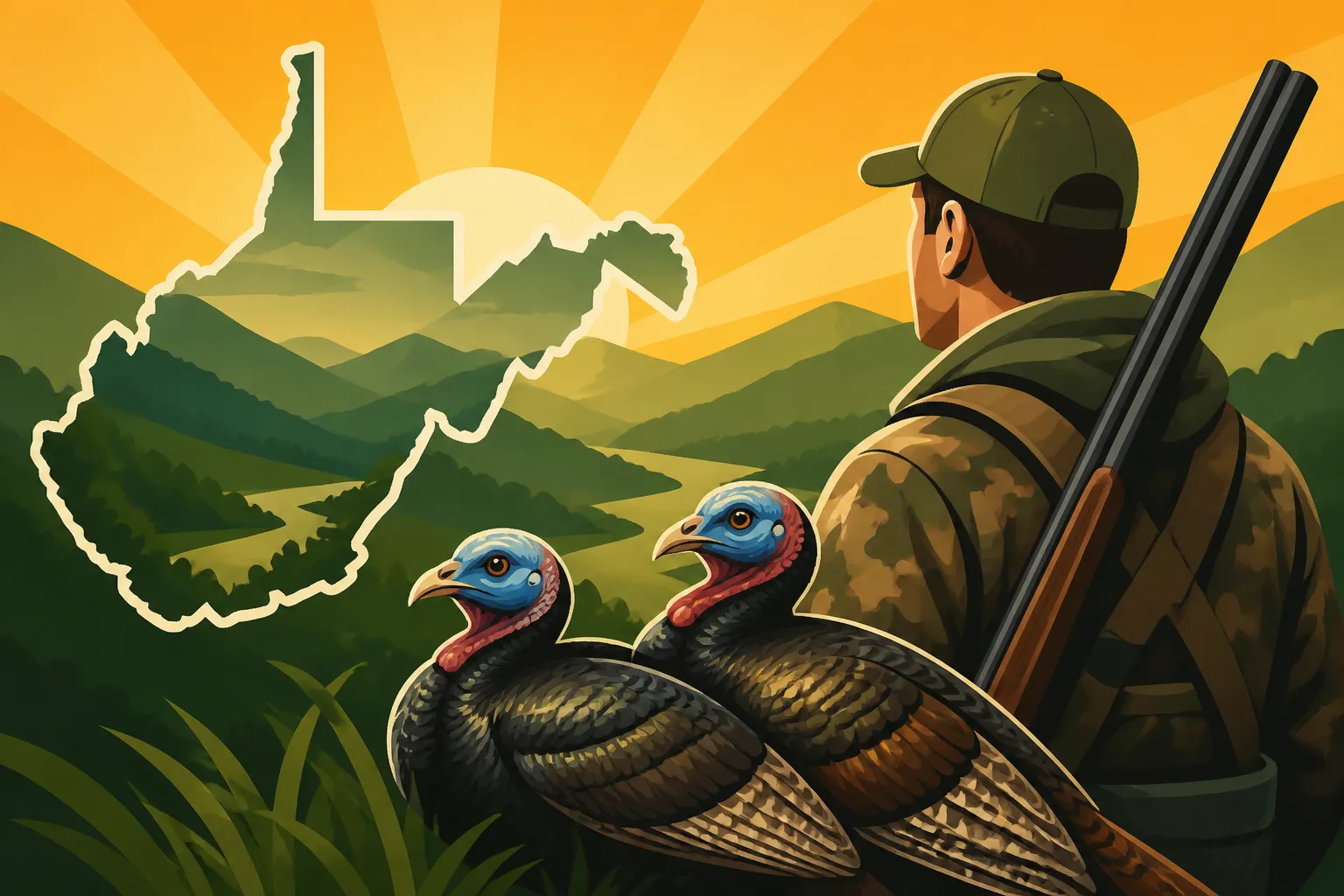
Making the Most of a Two-Bird Spring Limit
It's no secret that bagging a wild turkey in West Virginia is a monumental achievement, a hard-earned reward that few experiences in the woods can match. But when you look at that two-bird spring limit, it can feel like a daunting challenge to fill both tags, especially after the initial excitement and pressure of opening day wears off. This comprehensive guide is all about giving you the strategies, insights, and realistic expectations you need to make the most of West Virginia's generous two-bird spring limit, helping you go from one bird to two.
Understanding West Virginia's Spring Turkey Season Rules
Before we even talk tactics, it's crucial to have a firm grasp of the regulations that govern our spring turkey season here in West Virginia. There's nothing worse than thinking you've had a successful hunt only to realize you've run afoul of the rules, so let's get those squared away first. Knowing the framework helps you plan your season effectively.
The Statewide Spring Opener and Key Dates
West Virginia’s spring gobbler season is something many of us look forward to all year. The season typically kicks off in mid-April and runs through late May, with specific dates published by the West Virginia Division of Natural Resources (WVDNR) annually. While the exact dates might shift slightly year to year, the general timeframe remains consistent. This provides a generous window to pursue gobblers, but it’s how you manage your time and effort within this window that truly makes the difference for a two-bird limit. For detailed information on specific dates, always check the WVDNR hunting regulations pamphlet or their Go Wild West Virginia website. Understanding these dates is the first step in West Virginia Spring Turkey Season Rules.
The spring opener, usually the last Monday in April, is often met with high anticipation and, consequently, high hunting pressure, especially on public lands. Many hunters focus their efforts on this initial burst, hoping to bag a bird quickly. While this can be a great time to capitalize on gobblers that are still actively seeking hens, it also means competition. You might find yourself sharing the woods with more people than you’d prefer, especially in accessible areas. Planning your hunting days around this initial rush, or knowing how to hunt during it, is paramount.
Bagging Your First Bird: What it Means for Your Second
West Virginia's spring turkey limit is two bearded turkeys per hunter for the entire spring season. This means that once you harvest your first gobbler, you still have another tag in your pocket. The critical thing to remember is that there’s no requirement to harvest your birds on separate days, but most hunters find themselves doing exactly that. The first bird often comes with a surge of adrenaline and relief, and then the planning for the second bird begins. However, once you check your first bird, remember that you’ll need to check your second bird promptly as well, within 24 hours of harvest. This process can easily be done online through the WVDNR website or a mobile app, or by visiting an official check station. This convenience, especially after a long hike out of a hollow, is something we all appreciate. The goal isn't just to shoot two birds, but to do so legally and responsibly, maintaining the integrity of the season.
It’s also important to note that you cannot kill two birds in the same day. The daily bag limit is one bearded bird. So, if you’re successful first thing in the morning, your hunt for that day is over, and you'll be scouting for your next opportunity. This forces you to think strategically about when and where to allocate your hunting efforts, creating a natural pause that can be beneficial for regrouping and refining your plan for the second gobbler.
Youth Season Considerations
West Virginia also offers a special Youth Spring Turkey Weekend, typically held the weekend before the general statewide opener. This is a fantastic opportunity for young hunters to get out in the woods and experience the thrill of turkey hunting, often with less pressure than the general season opener. If you have a mentored youth hunter in your group, this weekend can be invaluable for filling a tag and building their confidence. The rules are generally the same: one bearded bird for the youth hunter, contributing to their overall two-bird limit for the season, if applicable.
This early start gives youth hunters a unique advantage, as gobblers are often still very responsive and less wary. For mentors, it's a chance to scout aggressively and teach important woodsmanship skills in a slightly more relaxed environment. We often take our kids or grandkids out on this weekend, and it’s a pure joy to see their excitement. It’s also a great way to introduce them to responsible hunting ethics from an early age, emphasizing safety and respect for the game.
Strategic Approaches for Your First Bird
The first bird of the season often feels like the most challenging. The anticipation is high, the woods are waking up, and gobblers are often still establishing their pecking order and seeking hens. Success with your first bird sets the tone for the rest of your season, and often dictates how you'll approach your second.
Early Season Aggression and Roost Hunting
When the season first opens, gobblers are typically still grouped up, feeling their oats, and very vocal. This is often the time for aggressive tactics. One of the most effective strategies is Roost Hunting West Virginia Gobblers. Getting into position well before daylight, listening for those first muffled tree yelps and fly-down cackles, can put you right in the action. Knowing where a bird is roosted gives you a massive advantage, allowing you to set up close but not too close, waiting for him to hit the ground.
The key here is stealth and patience. You want to be close enough that he hears your soft tree yelps or fly-down cackles, but not so close that you spook him when he flies down or he spots you when it gets light. Often, a gobbler will fly down and strut right in front of you if you're set up correctly. This aggressive approach capitalizes on the gobbler's desire to gather hens after flying down. Using an app like GoHunt can be invaluable for marking potential roost sites during pre-season scouting, giving you a head start on where to focus your efforts. These early birds are often the most responsive to calling, especially if you can present yourself as a lone hen.
Dealing with Opening Day Pressure
Let's be realistic: opening day can feel like Grand Central Station in some popular public land spots. You might hear more truck doors slamming than gobblers, and the woods can get saturated with hunters all trying the same thing. This pressure can make gobblers call-shy or push them into thicker, harder-to-reach areas. If you're hunting during Hunting the Statewide Spring Opener in April, you need to be prepared to adapt.
Instead of fighting the crowds, consider hunting areas others might overlook. Steep, difficult terrain that requires a serious hike often sees less pressure. Look for small, isolated pockets of public land, or areas adjacent to private land where birds might seek refuge. Sometimes, just walking an extra half-mile beyond where most people stop can make all the difference. Also, don't be afraid to try "Run-and-Gun Turkey Tactics on Public Land" if your initial setup is busted by other hunters or unresponsive birds. If a spot isn't producing, quietly pack up and move to another location, trying to cover new ground and find a less pressured bird. This adaptability is crucial when dealing with opening day crowds.
Mid-Morning to Mid-Day Tactics
Many hunters pack it in by 9 or 10 AM, especially if they haven't heard a gobble or had success. This is a huge mistake and often presents prime opportunities for your first bird. After hens leave the gobblers to go to their nests, those lonesome longbeards often start actively seeking companionship again. This "second shift" can be incredibly productive.
My most successful hunts often happen between 10 AM and 2 PM. During this time, I’ll focus on covering ground, stopping frequently to call, and listening for those mid-day gobblers. These birds might not be as vocal as they were at first light, but when they do gobble, it often means they're looking. Walk logging roads, scout ridge lines, and sneak into creek bottoms. A soft yelp followed by patience can sometimes lure in a bird that's been ignored by other hunters who left the woods too early. Consider using locator calls like a crow or owl call periodically to strike a shock gobble without giving away your exact position with turkey calls.
Shifting Gears for Your Second Gobbler
Harvesting your first bird is a fantastic feeling, but the game changes for that second tag. Gobblers are often warier, more scattered, and certainly more educated after weeks of being pursued. This is where patience, nuanced calling, and smart scouting truly come into play.
Finding Lonely Late-Season Gobblers
As May progresses, especially into the latter half of the month, the dynamics of turkey hunting shift considerably. Hens are increasingly on their nests, meaning gobblers are spending more time alone, actively searching for the few remaining receptive hens. These are your "lonely late-season gobblers," and they can be tricky but rewarding to hunt. They might not gobble as frequently on the roost or in response to every call, but when they do, they mean business. This is When West Virginia Gobblers Go Quiet in May really applies.
Your strategy for these birds needs to be less aggressive and more deliberate. Instead of trying to force a reaction with loud, constant calling, focus on subtle sounds. Soft clucks, purrs, and quiet yelps can often be more effective than aggressive cutting, as it sounds less threatening and more natural to a bird that might be wary of too much noise. Work slowly, spend more time listening than calling, and try to pinpoint where these solitary birds might be traveling. Creek bottoms, mature timber, and even open field edges can be productive as birds move around searching for hens.
Adapting Your Calling Style
For your second bird, especially later in the season, you'll need to be a chameleon with your calls. What worked for your first bird might not work for your second. If you started the season with aggressive cutting and loud yelps, you might need to dial it back considerably. Think subtle. A series of soft tree yelps right before fly-down, followed by silence, can sometimes entice a quiet gobbler to investigate. When calling, don't overdo it. Call, listen intently, and wait. Gobblers that have heard every trick in the book will often ignore calls, but might just walk in silently, hoping to catch a glimpse of the hen they heard.
Different calls also excel in different situations. A slate call offers versatile soft purrs and clucks, while a box call can project further in windy conditions or when you need to reach a distant bird. Mouth calls are fantastic for hands-free operation when a gobbler is close, allowing you to keep your gun up. Mastering a variety of calls and knowing when to deploy each one is a huge asset. I often find that a little bit of confidence calling with a mouth call, followed by long periods of silence, is very effective for drawing in wary birds.
Hunting Public Land After the Initial Rush
After the first couple of weeks, many hunters drop out, and the public lands that were once teeming with activity become much quieter. This is when some of the best hunting for your second bird can begin. The remaining gobblers are smarter, but they also have fewer hunters pursuing them. This is prime time for Run-and-Gun Turkey Tactics on Public Land, but with a late-season twist.
Instead of just covering ground, focus on areas that are hard to reach or have challenging access. This might mean steep slopes, thick laurel patches, or areas far from established roads. These are the places where gobblers have learned to hide out and where they feel safe. Look for sign: tracks, droppings, and strut marks. Even if you don't hear a gobble, fresh sign indicates a bird is in the area. Use your GoHunt app or other mapping tools to identify potential travel corridors, benches, or secluded ridges that might hold birds. Persistence is key, and often, the second bird is a testament to your ability to adapt and outwit a truly savvy gobbler.
Essential Gear and Preparation for Success
Having the right gear and being properly prepared isn't just about comfort; it's about maximizing your chances of success, especially when you're aiming for a two-bird limit. West Virginia's terrain and weather can be unpredictable, so being ready for anything is part of the game.
Your Turkey Vest: What to Carry
Your turkey vest is your mobile command center. It needs to hold everything you could possibly need for a day in the woods, from first light until well into the afternoon. Here's a quick rundown of essentials for Turkey Gear for a West Virginia Spring:
| Item | Early Season Use | Late Season Use | Why It's Essential |
|---|---|---|---|
| Mouth Calls | Aggressive cutting, hands-free calling | Soft clucks, purrs, quick setup for close birds | Versatility, stealth, wide range of sounds |
| Slate/Glass Call | Yelp/cluck sequences, good projection | Subtle hen sounds, good for wary birds | Realistic hen sounds, good control, adaptable volume |
| Box Call | Loud locator calls, reaching distant birds | Limited, can be too loud for wary birds | Excellent for loud, resonant gobbler locating |
| Locator Calls | Crow, owl, coyote calls to shock gobble | Same, but used sparingly | Pinpointing gobbler location without turkey sounds |
| Decoys | Hen/jake or full strut for aggression | Single hen or jake for curiosity, or no decoy | Drawing birds into range, adding visual appeal |
| Rangefinder | Confirming shot distances | Confirming shot distances | Crucial for ethical shots within effective range |
| Headlamp | Navigating pre-dawn, walking out after dark | Same | Essential for safety and mobility in low light |
| Water/Snacks | Staying hydrated and energized | Staying hydrated and energized | Sustaining long hunts, especially when covering ground |
| First-Aid Kit | Minor injuries, tick removal | Minor injuries, tick removal | Preparedness for unexpected bumps and scrapes |
| Rain Gear | West Virginia weather is unpredictable | Especially important as spring rains are common | Staying dry and comfortable |
| GPS/Phone with Map | Navigation, marking locations (GoHunt app) | Navigation, marking locations (GoHunt app) | Critical for finding your way, especially on public land |
| Orange Vest/Hat | Safety walking in/out (not during actual hunt) | Safety walking in/out (not during actual hunt) | Required safety wear in some situations |
| Butt Pad/Seat | Comfort during long sits | Comfort during long sits | Essential for patience and staying still |
Beyond these, remember your shotgun and ammunition, preferably patterned for turkeys at typical engagement ranges (20-40 yards). A good pair of comfortable, waterproof boots is also non-negotiable for traversing West Virginia's often rugged and wet terrain.
Scouting Smarter, Not Harder
Scouting is the unsung hero of successful turkey hunting, especially for your second bird. You can't just rely on luck. Pre-season scouting, even just a few trips, can provide invaluable intelligence. Look for turkey sign: tracks, droppings (gobbler droppings are typically J-shaped), strut marks in dirt or gravel, and shed feathers. Listen for gobblers on the roost during evenings or early mornings. Use an app like GoHunt to mark these locations, plan your routes, and identify potential setup spots. This information drastically increases your odds. You can also gain an advantage by Scouting West Virginia Public Land Before Season.
During the season, your "scouting" continues every time you're in the woods. Pay attention to where birds are roosting, where they're feeding, and their travel patterns. If you harvest a bird in a particular area, there's a good chance another bird might move into that territory, or other birds might already be there. Even if you don't hear a gobble, quietly walking and looking for fresh sign can give you the intel you need for your next hunt.
Decoy Strategies for Different Scenarios
Decoys can be a game-changer, but knowing when and how to use them is crucial. For early-season, aggressive gobblers, a jake and a hen decoy can work wonders. The jake can infuriate a dominant gobbler, bringing him charging in to assert his dominance. A full-strut gobbler decoy can also be very effective at this time, but use with extreme caution on public land to avoid being mistaken for a real bird by other hunters. Decoy Placement for Pressured West Virginia Birds involves knowing these nuances.
As the season progresses, and gobblers become warier, a single hen decoy, or even no decoy at all, might be more effective. A lone hen looks less threatening and can pique a lonely gobbler's curiosity. Sometimes, putting your decoy slightly off to your side, rather than directly in front of you, can draw the gobbler's attention away from your hiding spot, giving you a better shot opportunity. And for those really wary, late-season birds, sometimes the best decoy is no decoy at all, relying solely on your calling and concealment to draw them in. Always consider your hunting pressure, terrain, and the gobbler's demeanor when deciding on your decoy strategy.
Disclaimer
Hunting carries inherent risks, including injury and death. Always prioritize safety, adhere to all West Virginia hunting regulations, and be aware of your surroundings. This guide is for informational purposes only and does not replace professional instruction or official WVDNR regulations.