West Virginia Bald Eagle Recovery Near the Rivers
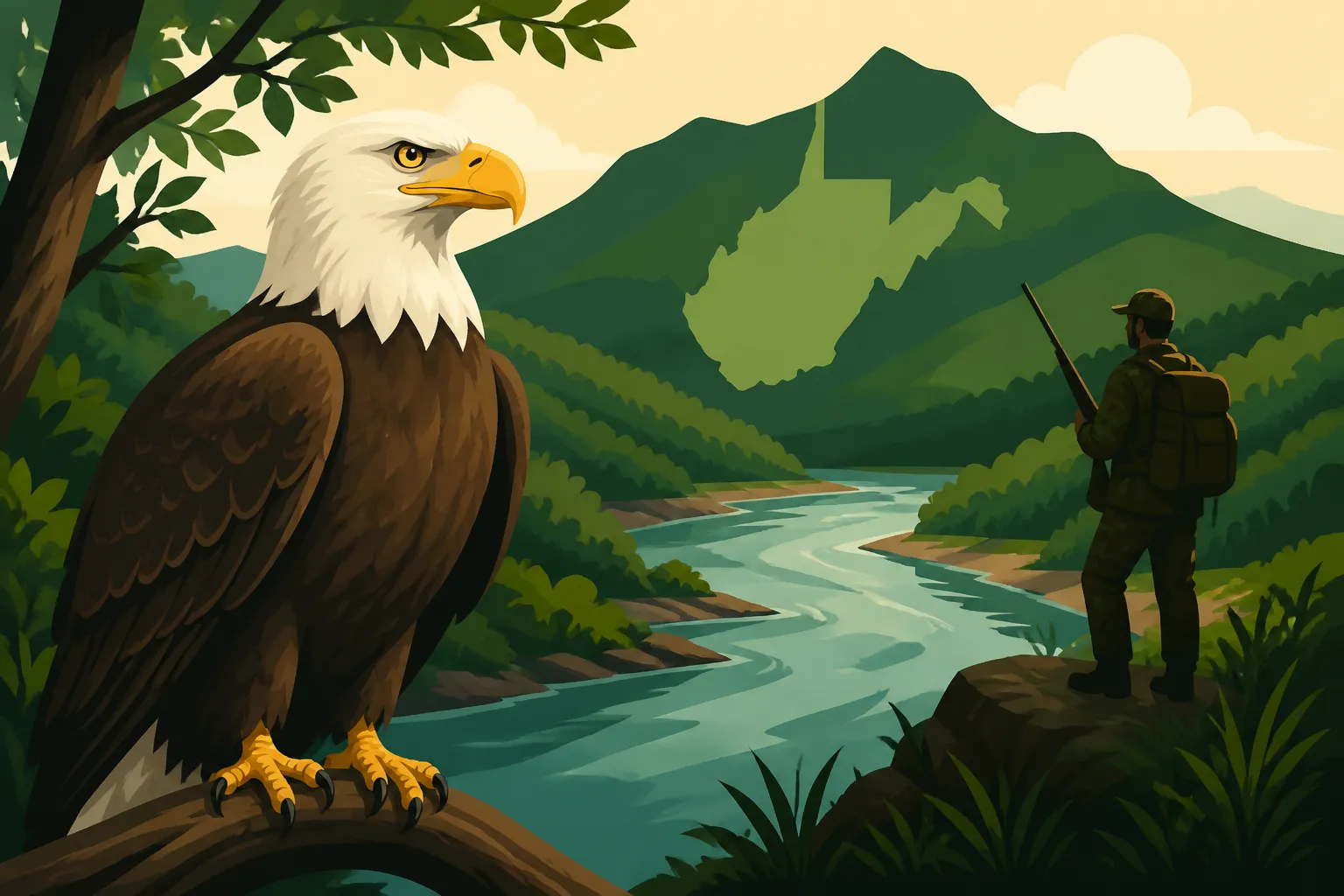
It's truly a magnificent sight, isn't it? To be out in the wild, maybe scouting a new deer stand location or heading to your favorite fishing hole, and then to suddenly spot that unmistakable flash of white head and tail feathering against the deep green of the West Virginia forest. For a long time, seeing a bald eagle in our beloved Mountain State was a rarity, a distant memory for older generations. They were gone, driven out by habitat loss, widespread pesticide use, and human disturbance. But thankfully, the story has changed dramatically, and these majestic birds are now making a remarkable comeback, especially near our vital river systems. This guide will dive into the incredible recovery of bald eagles in West Virginia, focusing on where you're most likely to encounter them, their role in the ecosystem, and how hunters and outdoor enthusiasts can continue to support their flourishing presence.
A Symbol's Return: The Story of West Virginia's Bald Eagle Comeback
For decades, the idea of seeing a bald eagle regularly in West Virginia seemed like a pipe dream. Our national bird, once a common sight across much of North America, suffered a catastrophic decline, pushed to the brink of extinction. But through dedicated conservation efforts and a lot of hard work, they're not just surviving here; they're thriving, and it’s a testament to what we can achieve when we commit to protecting our wildlife.
The Vanishing Act: Why Eagles Disappeared from the Mountain State
Think back to the mid-20th century. West Virginia, like many states, had seen its bald eagle population decimated. It wasn't just one thing, but a perfect storm of environmental challenges. Habitat destruction, as forests were cleared for development and agriculture, took away their crucial nesting sites – those towering trees near large bodies of water. On top of that, the widespread use of pesticides, particularly DDT, had a devastating impact. The chemical would accumulate in the food chain, getting into the fish that eagles ate, and in turn, causing their eggshells to thin. These fragile eggs would then break during incubation, leading to reproductive failure and a dramatic drop in their numbers. It was a dire situation, and for many years, the only eagles folks saw were often migrating through, not nesting residents. The thought of West Virginia Waterfowl on the Atlantic Flyway thriving alongside eagles seemed almost impossible then.
The Great Comeback: How West Virginia Helped Bring Them Back
The turning point came with the banning of DDT in the United States in the early 1970s and the passage of landmark legislation like the Endangered Species Act. In West Virginia, the recovery effort began in earnest. Our state's natural resources agencies, working with federal partners, initiated reintroduction programs. This involved bringing young eagles, known as "eaglets," from healthier populations in other states and releasing them here, hoping they would imprint on West Virginia as their home. These birds were often "hack-reared," meaning they were placed in artificial nests on tall towers, fed by humans through a chute to avoid imprinting, and then released once they could fly.
Over time, these efforts paid off. As the eagles matured, they began to return to nest, seeking out the very river systems that once sustained their ancestors. Improved water quality, a growing fish population, and a greater awareness of the importance of undisturbed habitat all contributed to their success. It's truly inspiring to see how far we've come. Today, eagles are a celebrated part of our landscape, a symbol of environmental resilience, and a reminder that conservation really does work. This recovery has also coincided with broader efforts in West Virginia Wildlife Disease Monitoring, ensuring a healthier overall ecosystem for all species.
Where the Eagles Soar: Prime Habitats Along West Virginia's Rivers
If you want to catch a glimpse of these magnificent birds, your best bet is to head to one of West Virginia's major river systems. They are undeniably creatures of the water, relying on healthy aquatic ecosystems for their primary food source: fish. While you might spot a transient eagle almost anywhere, certain areas have become true strongholds for nesting and overwintering populations.
Navigating the River Systems: Key Eagle Strongholds
The larger, more established rivers with abundant fish populations and mature trees for nesting are where eagles truly shine. The Potomac River and its tributaries, especially in the Eastern Panhandle, have become prime real estate for bald eagles. The wide expanses of water, particularly around areas like the National Conservation Area, provide ample hunting grounds, and the mature sycamores and oaks along the banks offer ideal nesting and roosting sites. It’s a fantastic place to see them.
Further west, the mighty Ohio River Valley is another hotspot. With its extensive length forming our western border, the Ohio offers a continuous buffet of fish, and you'll often see eagles perched on snags or power lines overlooking the water. The backwaters and islands are also crucial for them, providing secluded areas away from human disturbance. Hunters focused on Hunting Ohio River Valley Bottomland might be surprised by how often they spot an eagle scanning the water.
Then there's the Kanawha River, stretching through the heart of the state. This river, with its locks and dams, creates areas of slower moving water where fish congregate, making it a reliable food source. You'll often hear reports of eagles near Charleston and downstream. And don't forget the New River and its dramatic gorge; while perhaps less wide-open than the others, its deep waters and towering cliffs offer a unique habitat. The protected areas surrounding New River Gorge Adjacent Public Ground are becoming increasingly important for these birds. Other rivers like the Cheat River and parts of the Monongahela River also host growing numbers, particularly in their more remote sections. When using an app like GoHunt to scout areas near these rivers, look for large stands of timber adjacent to open water, which often indicate potential eagle territory.
A Healthy Ecosystem: What Eagles Eat and How They Thrive
Bald eagles are opportunistic predators, but fish make up the vast majority of their diet, especially larger species like carp, catfish, and various types of bass and suckers. They're incredible aerial hunters, using their keen eyesight to spot fish near the surface and then swooping down to snatch them with their powerful talons. This is where the health of our river ecosystems becomes so vital. Abundant, healthy fish populations mean a reliable food supply for eagles, which in turn supports their breeding success.
However, eagles are not exclusively piscivores. They'll also prey on waterfowl, particularly sick or injured birds, and small mammals like rabbits and muskrats, especially in winter when fish might be harder to come by. Sometimes, they even act as scavengers, cleaning up carrion, which plays a natural role in the ecosystem. This makes them an important indicator species; their presence and health tell us a lot about the overall health of the environment, particularly our waterways. For instance, strong waterfowl populations, as detailed in West Virginia Waterfowl Migration Timing, contribute directly to a diverse food web that benefits eagles.
| River System | Key Habitat Features | Common Prey Sources | Nesting/Roosting Preference |
|---|---|---|---|
| Potomac River | Wide river, tidal influence, extensive riparian forests | Fish (catfish, carp, bass), waterfowl | Large mature trees, undisturbed bluffs |
| Ohio River | Large industrial river, numerous islands, backwaters | Fish (shad, carp), some waterfowl, carrion | Isolated islands, tall snags, power structures |
| Kanawha River | Navigable, locks/dams creating calmer water, urban fringe | Fish (catfish, suckers), urban waterfowl | Tall trees away from heavy human activity |
| New River Gorge | Deep gorge, rocky cliffs, whitewater, secluded pockets | Fish (trout, smallmouth bass), small mammals | Cliff ledges, remote large trees |
| Cheat River | Remote, forested, less development, good fishing | Fish (trout, various panfish) | Remote mature hardwoods near water |
Sharing the Rivers: Hunters and Bald Eagle Coexistence
For those of us who spend a lot of time outdoors in West Virginia, especially near rivers, encountering bald eagles is becoming a more common and welcome occurrence. As hunters, anglers, and hikers, we have a unique opportunity and a responsibility to coexist peacefully with these magnificent birds, ensuring their continued success.
Understanding the Law: Protecting Our National Bird
It's crucial to remember that bald eagles are still a federally protected species, even though they have been delisted from the Endangered Species Act. They are protected under the Bald and Golden Eagle Protection Act and the Migratory Bird Treaty Act. This means it is illegal to "take, possess, sell, purchase, barter, offer to sell, purchase or barter, transport, export or import, at any time or in any manner, any bald eagle … alive or dead, or any part, nest, or egg thereof." The penalties for violating these laws can be severe, including substantial fines and imprisonment.
For hunters, this means always being absolutely certain of your target. Misidentifying a bird and accidentally shooting an eagle is a serious offense. It's also important to be aware of their nesting sites. Disturbing an active nest can also be a violation, as it can cause eagles to abandon their young. While the laws are primarily aimed at direct harm, the spirit of the law is about protecting their welfare. Using reliable tools like the GoHunt app to understand local regulations and boundaries can help you avoid protected areas and potential conflicts. Even when you're pursuing West Virginia Waterfowl on the Atlantic Flyway, eagles might be present, so situational awareness is key.
Respecting Their Space: Minimizing Disturbance While Afield
When you're out Working a Creek Bottom for Late-Season Deer or setting up for ducks, you might find yourself in proximity to an eagle. The best approach is to give them plenty of space. If you spot an eagle, especially if it's perched or near a nest, try to keep your distance. Avoid making loud noises or rapid movements that might startle them. A general rule of thumb is to maintain a distance that doesn't cause them to change their behavior, like flying off a perch or showing signs of agitation.
Hunters should also be mindful of carcass disposal, especially for animals harvested near waterways. While eagles do scavenge, leaving a carcass in a highly visible or accessible area where it might attract other protected wildlife could potentially lead to issues, though typically it's more of a concern for bears or other scavengers. The main thing is not to create a situation where eagles become too habituated to human presence or develop an unhealthy dependence on easily accessible food sources that might put them at risk.
Beyond the Hunt: Appreciating Wildlife in West Virginia
The return of the bald eagle to West Virginia's rivers isn't just a win for the eagles; it's a win for everyone who cherishes our state's wild places. It speaks to a healthier environment, a richer biodiversity, and more opportunities for us all to connect with nature. Whether you're hunting, fishing, kayaking, or just enjoying a quiet moment along the river, the sight of a bald eagle soaring overhead is an unforgettable experience.
Take a moment to appreciate it. These birds are a living symbol of what makes West Virginia so special – its rugged beauty, its wild heart, and its capacity for recovery. Their presence adds another layer of magic to our outdoor adventures. When we talk about Hunting the Ohio River Valley, we're not just talking about deer and ducks anymore; we're also talking about the opportunity to witness America's national bird in its natural element, a testament to successful conservation efforts. Let's continue to do our part to ensure that these magnificent raptors continue to grace our skies and our rivers for generations to come.
Disclaimer
This article is for general informational purposes only and does not constitute professional advice. Laws, prices and regulations vary by location and change over time. Consult a qualified professional for guidance on your specific situation.